News
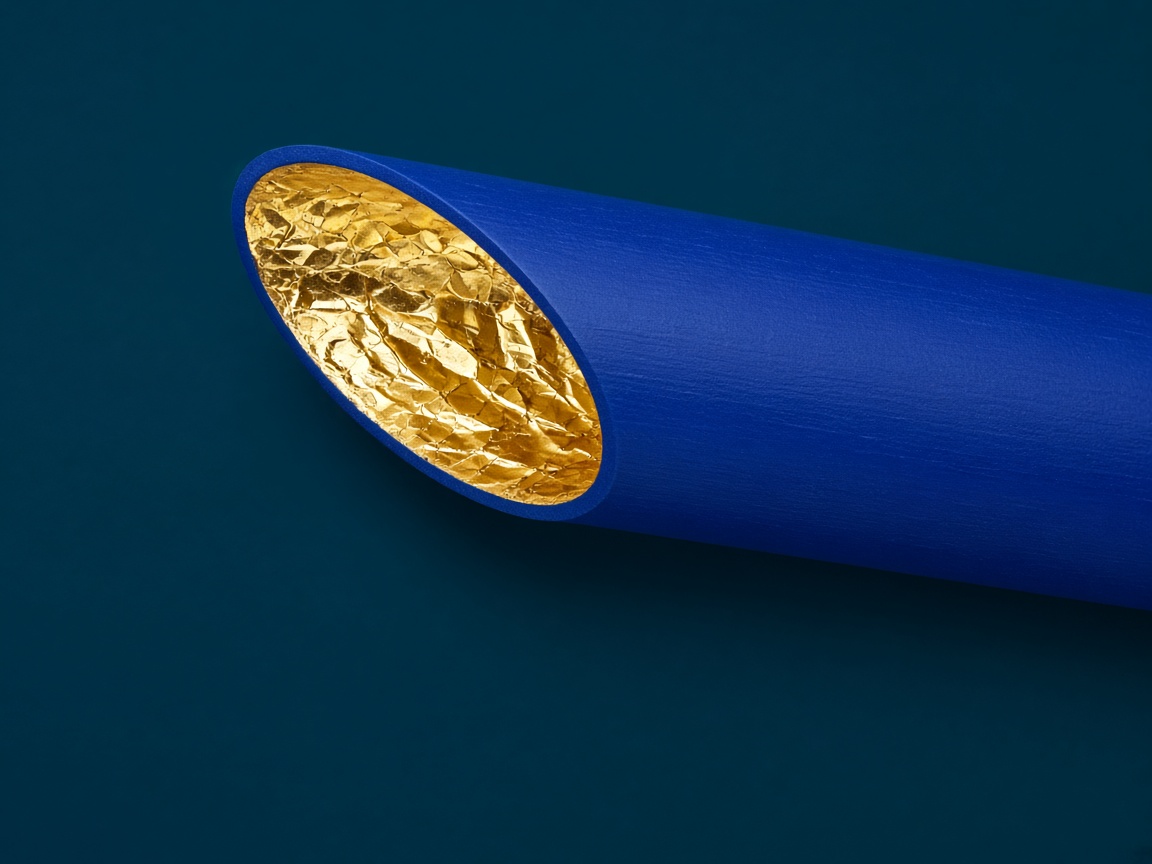
The Taper wall lamp, a cone of light drawn until it was right
In the second week of December we carried two unfinished Taper wall lamps out of the workshop and hung them on a bare plaster wall in a room we had borrowed for the evening. No display, no catalogue page, no story printed beside them. We wanted to see what the cone did when nothing was asked of it.
Taper began as a drawing and stayed a drawing longer than anyone in the studio expected. A cone looks finished in four lines, which is exactly why it kept fooling us. What follows is the short version of a long winter.
Eleven attempts at one angle
The first model threw a hard ring onto the wall: a bright edge with a grey heart, the sort of light that argues with the surface it lands on. The fourth went the other way and swallowed itself, so soft that the lamp read as switched off. Between the two sat the angle we had been circling for weeks. A cone narrow enough to keep its form in daylight, open enough to let the wall answer back.
- Eleven drawings, three of them gone over the same pencil line until the paper thinned.
- One model in card, taped up in the corridor for a fortnight and judged every morning.
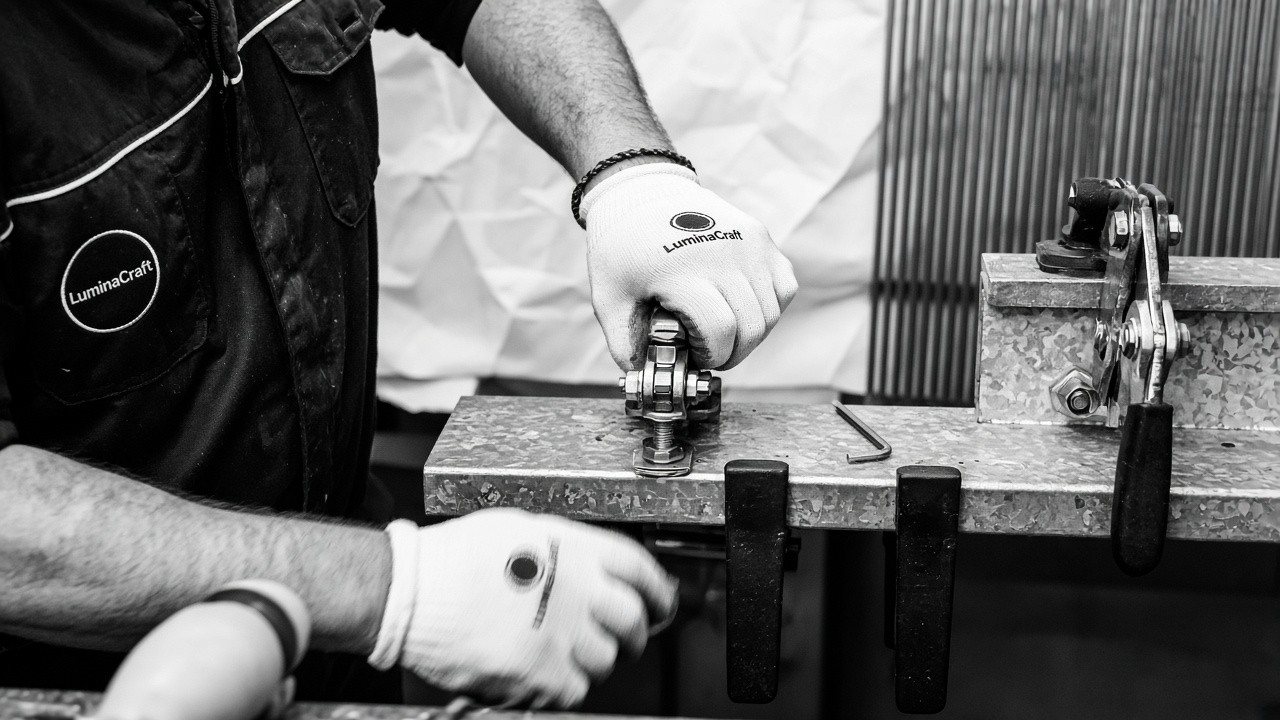
- Two trials spun in brass. The second one we kept; the first one still sits on the shelf as a warning.
- One borrowed room in December, and a plaster wall that owed us nothing.
What the room said back
Half a dozen people came, most of them friends of the workshop, and every one of them did the same thing: stood beneath it, walked away, then came back to stand beneath it again. The maker who had sanded the second trial until his hands knew the shape better than his eyes said the cone was the easiest thing he had ever drawn and the hardest thing he had ever stopped drawing. We wrote that sentence on the inside of the shade we kept, where only a bulb will ever read it.
Taper will join our collection when it is ready, and not one day before. Until then it lives on that borrowed wall: a cone of light, drawn again and again until it was right. Light does not forgive a form that is almost correct.