
I began making lamps without knowing whether anybody would ever buy one. The first were for my own house; the next were for friends who asked. Success arrived suddenly, without warning and without any plan behind it, and I did not even know how a lamp is made on a production line. That is how LuminaCraft came into being. Almost by chance. The name says only what we do, light and the making of it by hand, and it keeps the person behind it out of the way, which suited me: the work could be judged on its own, and I could hold a little distance from it, an irony that has run through everything since. I like to play down what we make. When it comes down to it, they are only lamps. But all of myself goes into them, all my research, attention and expression, and I ask the same of everybody who works here. It is a question of respect for the people who put their faith in us, and who feel something standing in front of what we make. Visitors want to know whether I think of myself as a designer or as an artist. Neither word has ever fitted. I am a person who loves the work he does, and then other people love it too.
Since our founding a great deal has changed. The company is bigger, we make more lamps than we did, and the research has been carried along by technology. Now we can do much more. We changed the way we work wherever change was needed, so that the parts that mattered could stay as they were. Every lamp is still put together by hand today, in rooms that are good to work in, and every one of them in our own workshop. There is no stress here. Each lamp is given the time it needs to be made well, because “beautiful” depends on who is looking, and “well made” does not. When I look back over the whole of it, I still cannot quite believe it happened…
Our Founder
Our story
01
LuminaCraft was born.
01
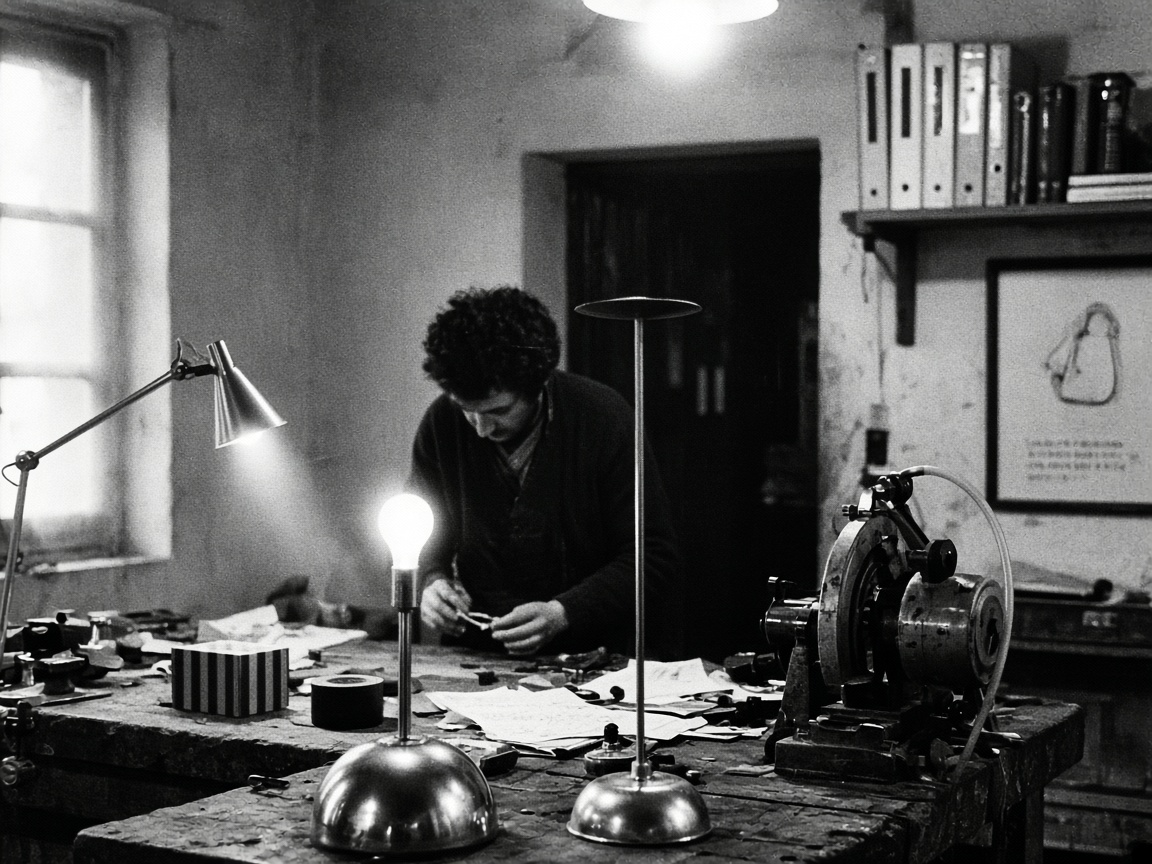
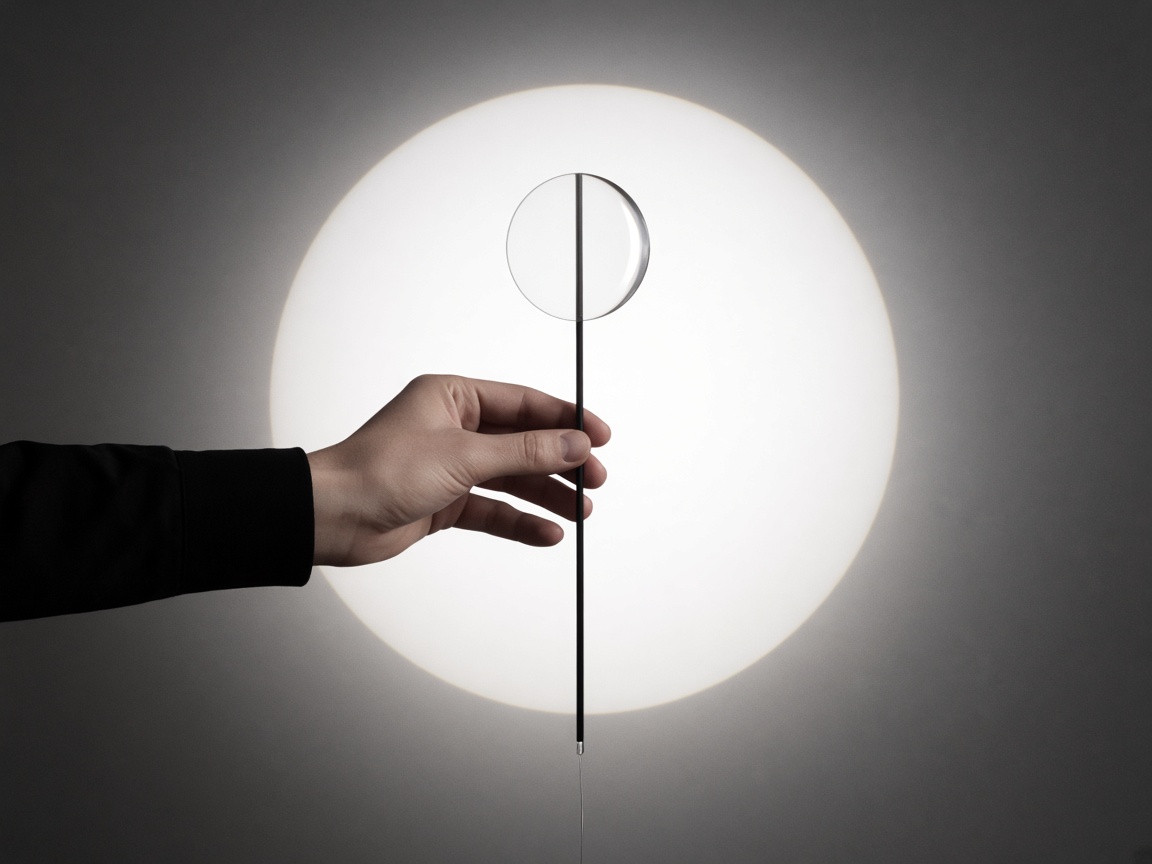
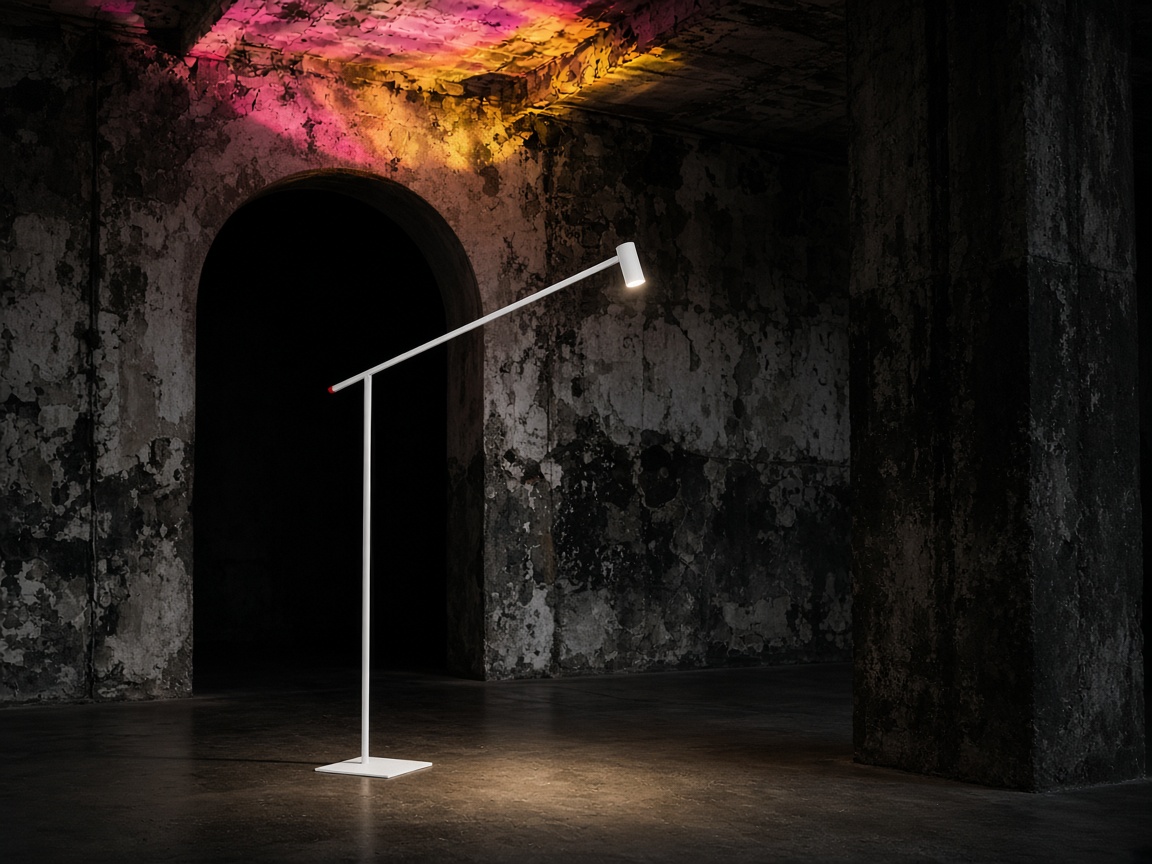
Our founder begins by making two pieces, “Wand” and “Canopy”, and gathers them into a first catalogue called “Things That Stay”. Its running argument is that a lamp should be something you handle, an object that stays a subject: one you tilt, move and answer back.
02
Geneva: “Canopy” goes up in a private gallery, the first of our pieces shown outside the country.
03
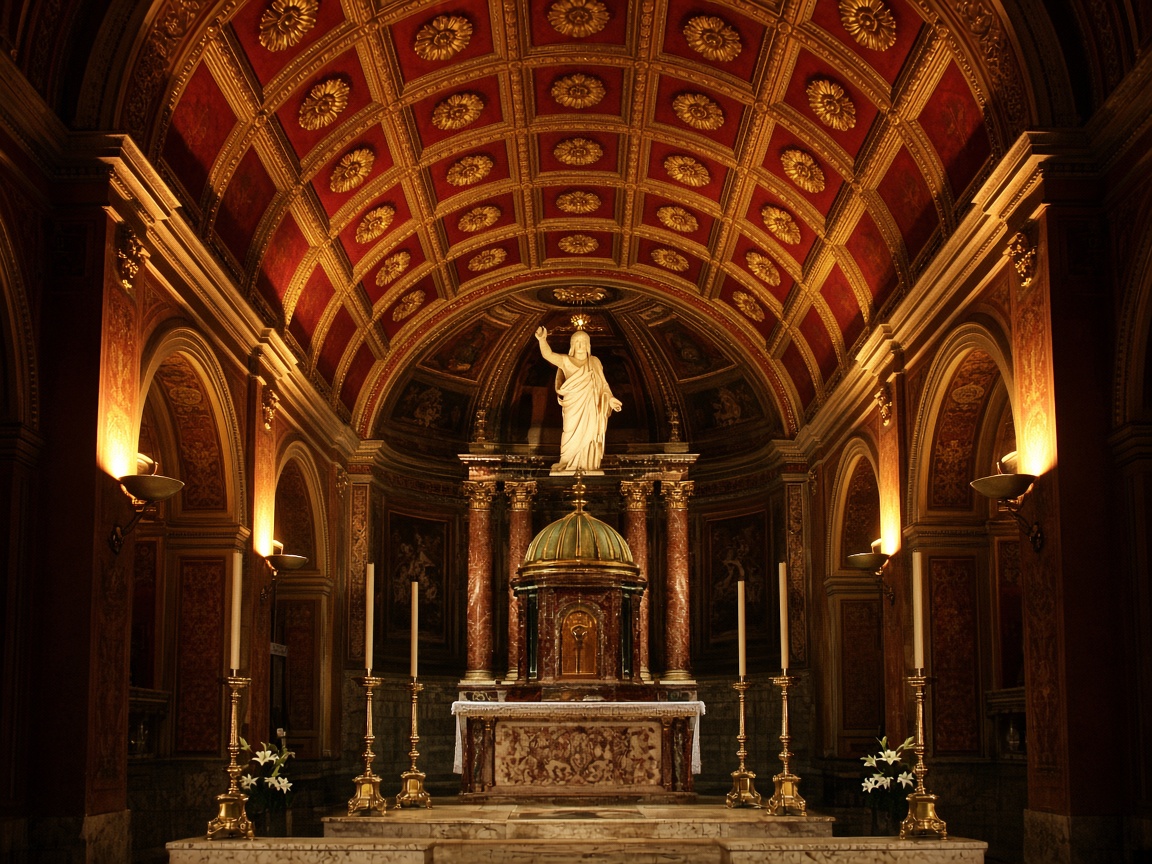
An old theatre courtyard in Beijing: our first lighting scheme for a historic building.
04
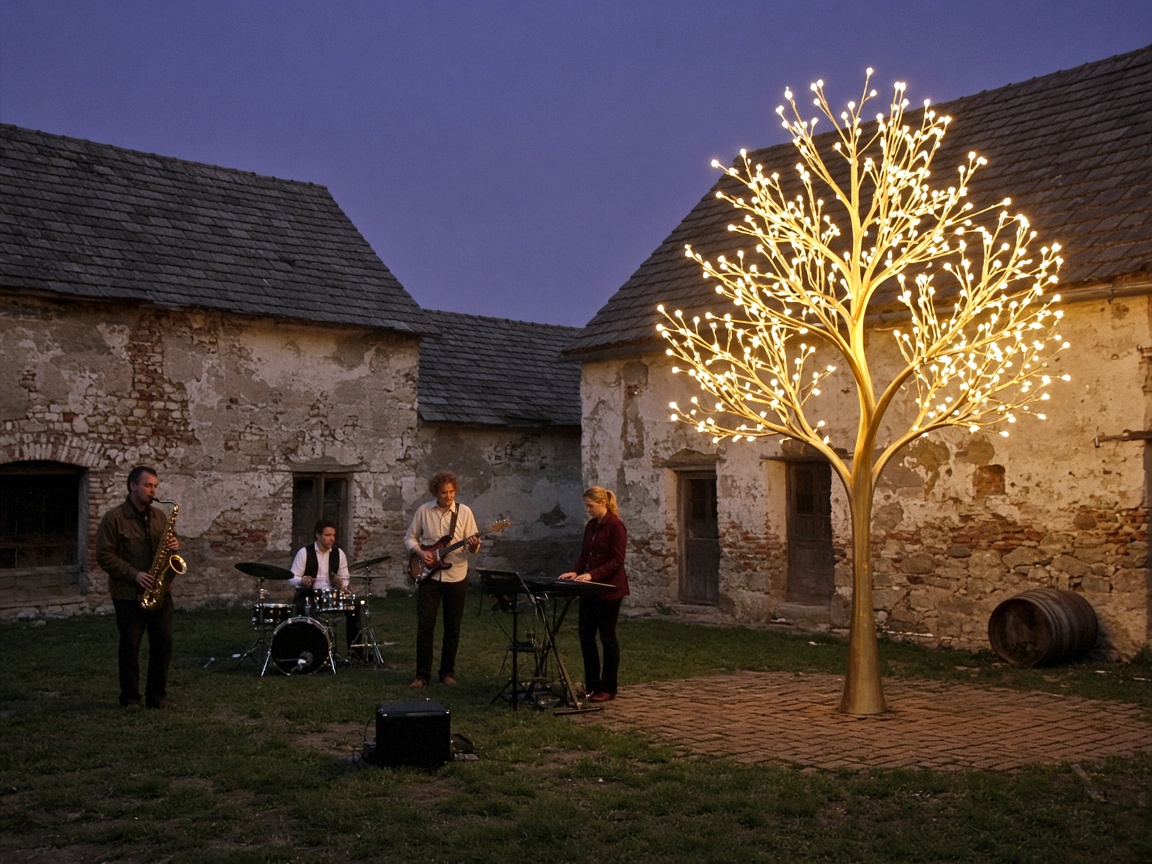
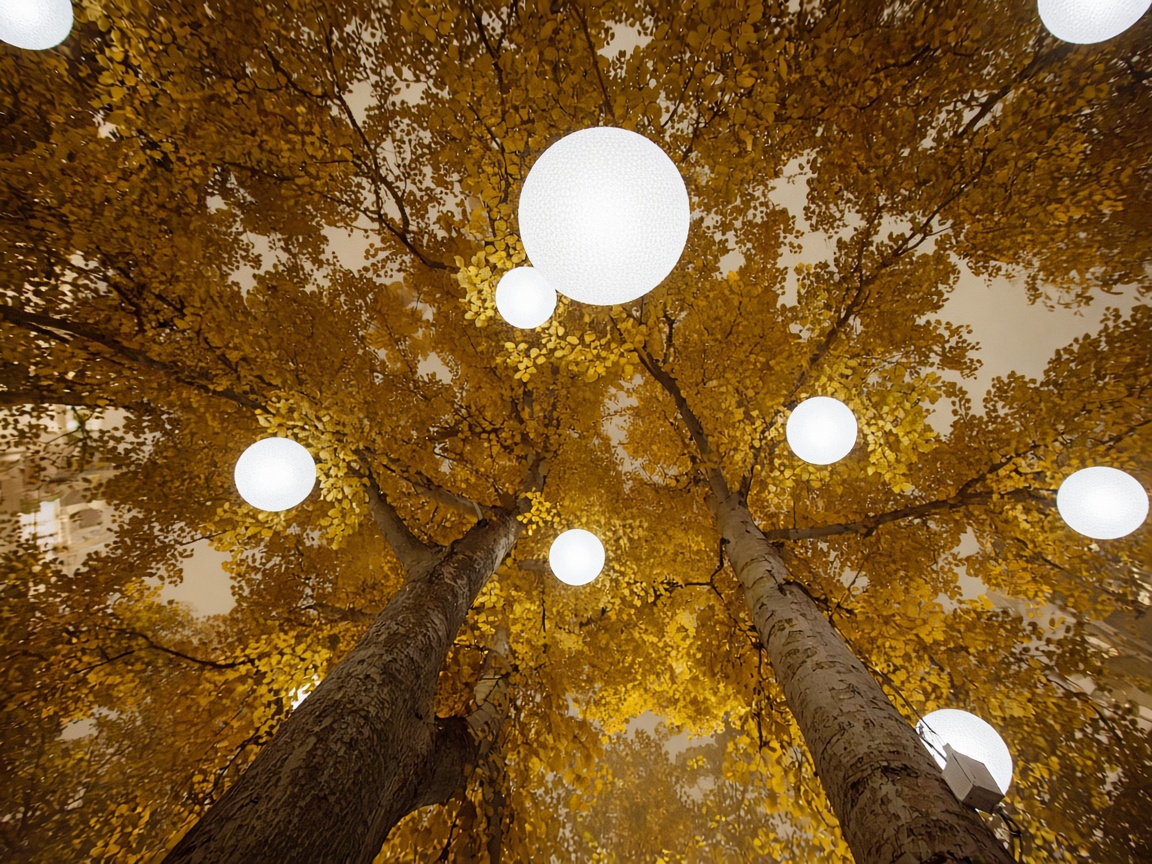
One single “Canopy” is installed in a gallery in Dresden, five metres tall and carrying 252 bulbs, its trunk and branches laid in gold leaf. A collector living in the city buys it soon after.
04
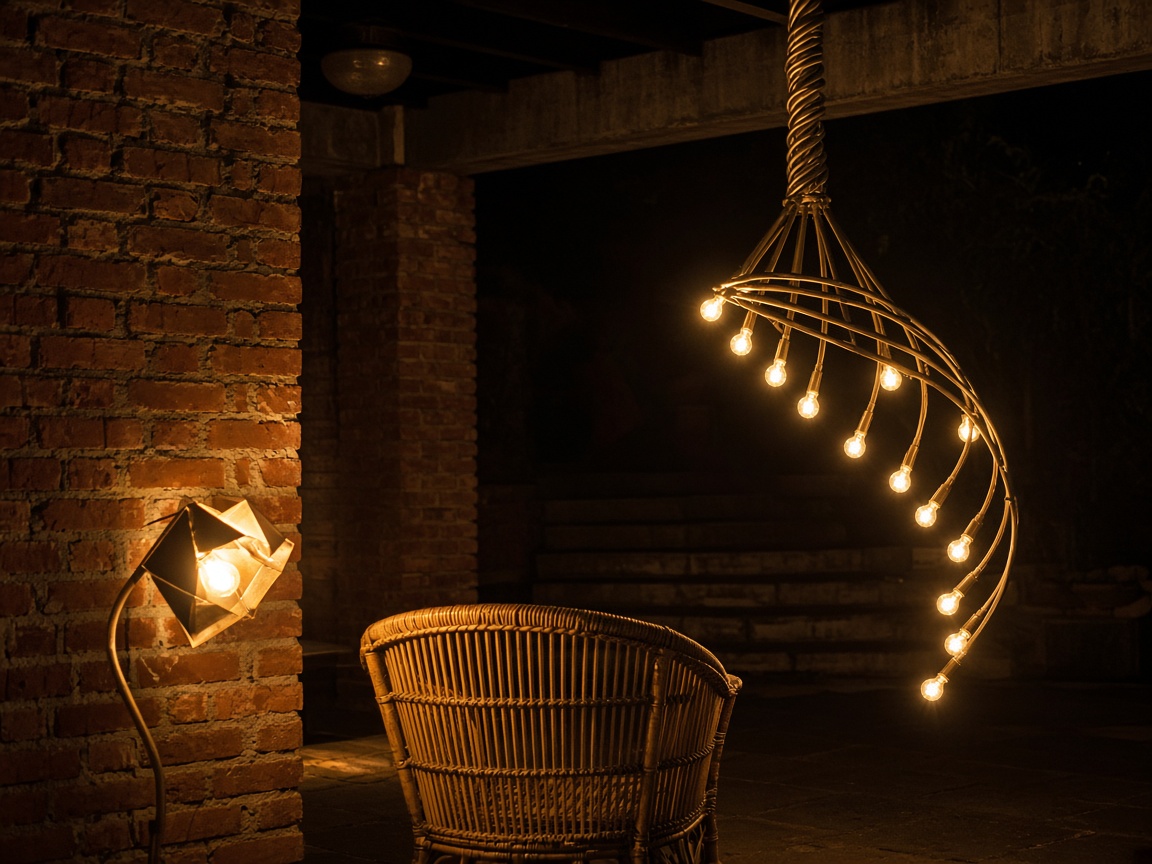
A country house on the water outside Suzhou: “Quiet Hours”.
05
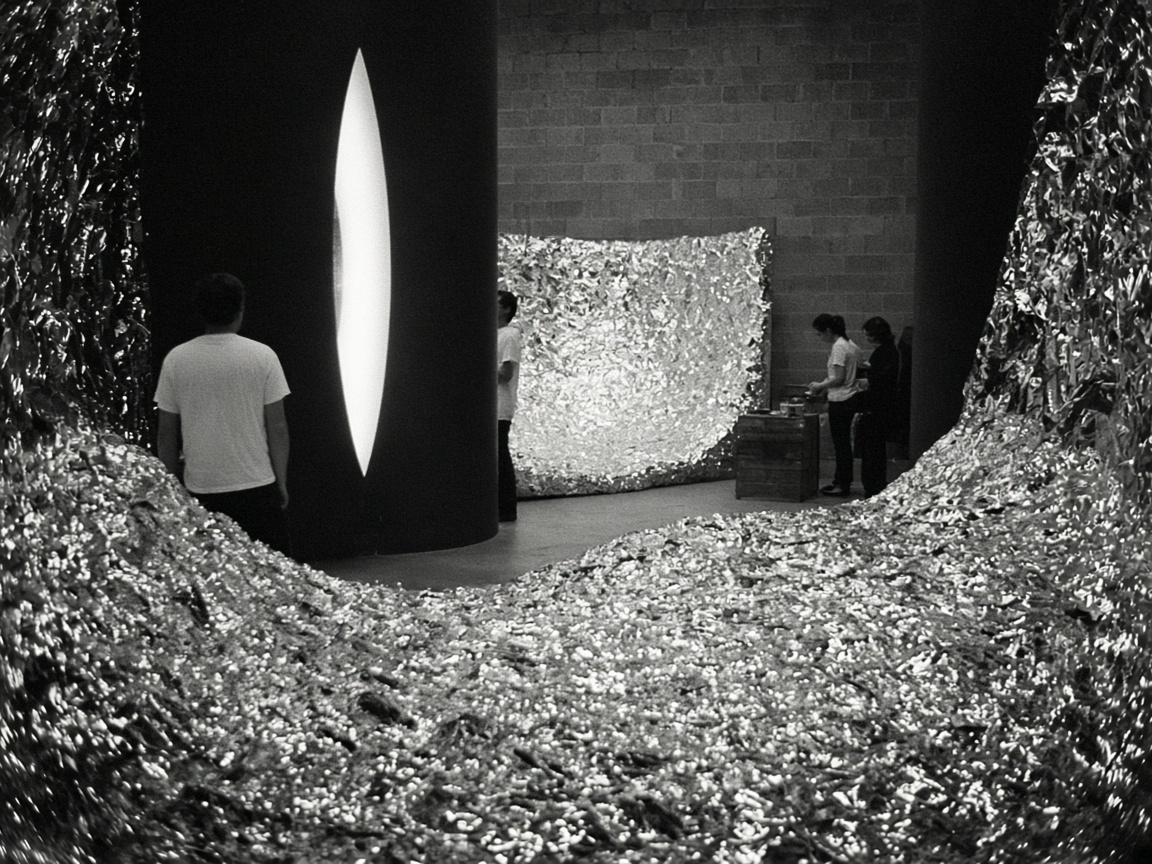
“Aurea” turns our attention to the colour of light itself: gold as the low sun gives it, gold as fire gives it. In these warm pieces the idea of refraction, light bent back off a leafed surface, starts to take a shape.
05
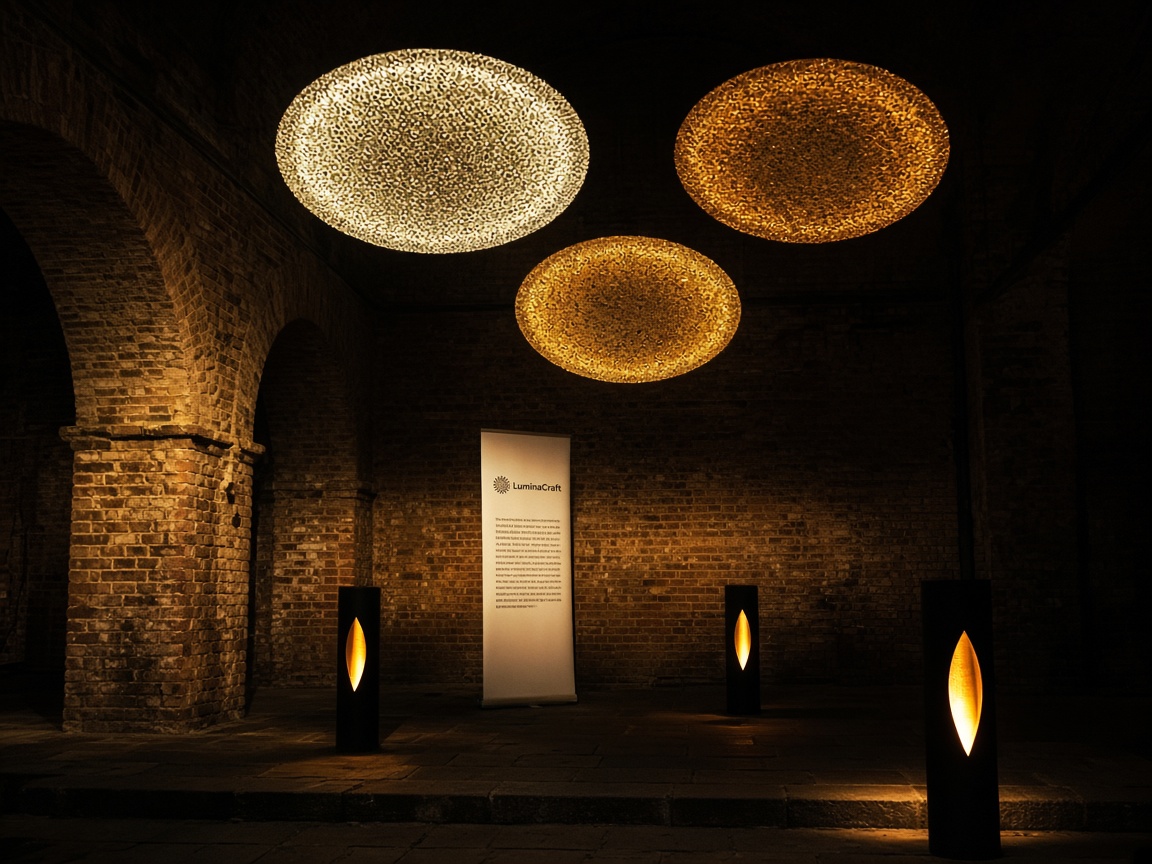
Lighting goes into a disused salt warehouse on the Adriatic coast, a project carried out together with the town's own cultural office.
05
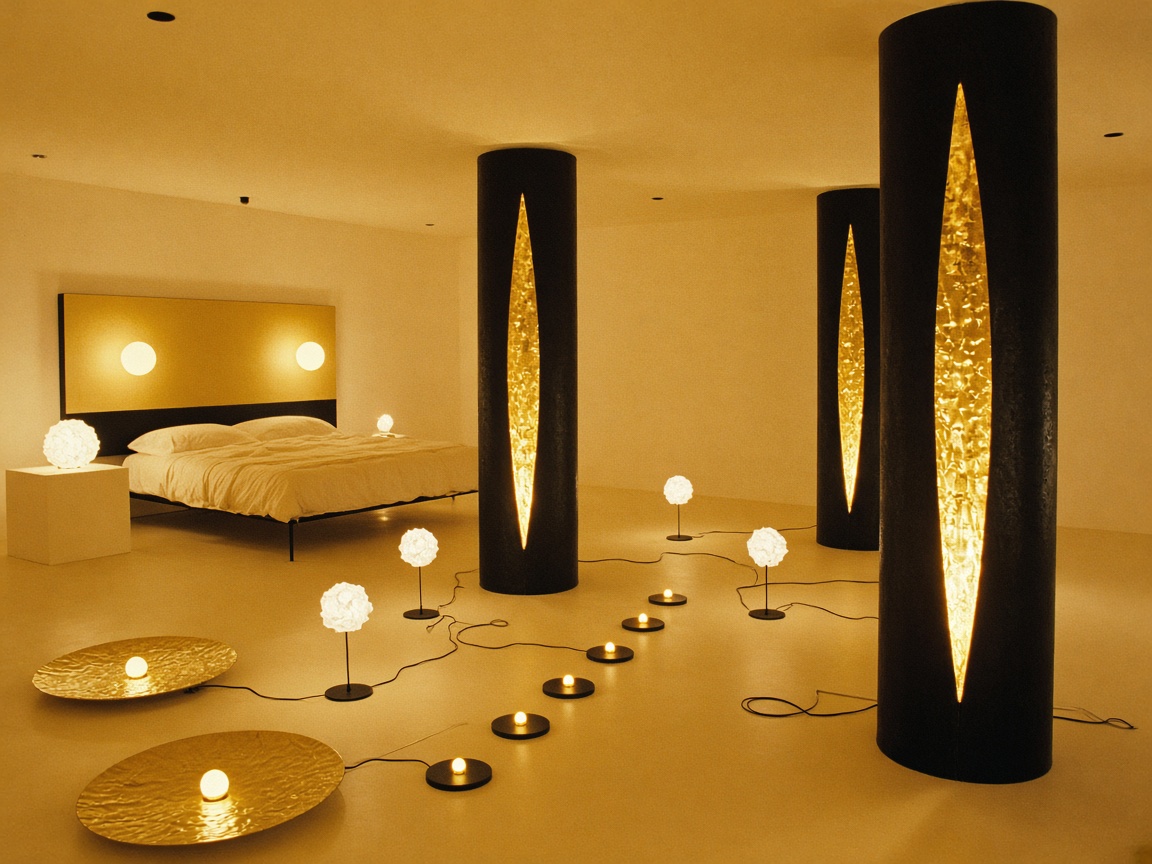
A design showroom in Milan takes an “Aurea” installation: columns of rough iron, lined on the inside with gold-coloured leaf. The same week the limited edition “Gilded Sleep” bed is shown to the public for the first time, and one of the pieces goes home with a singer who walked in off the street.
06
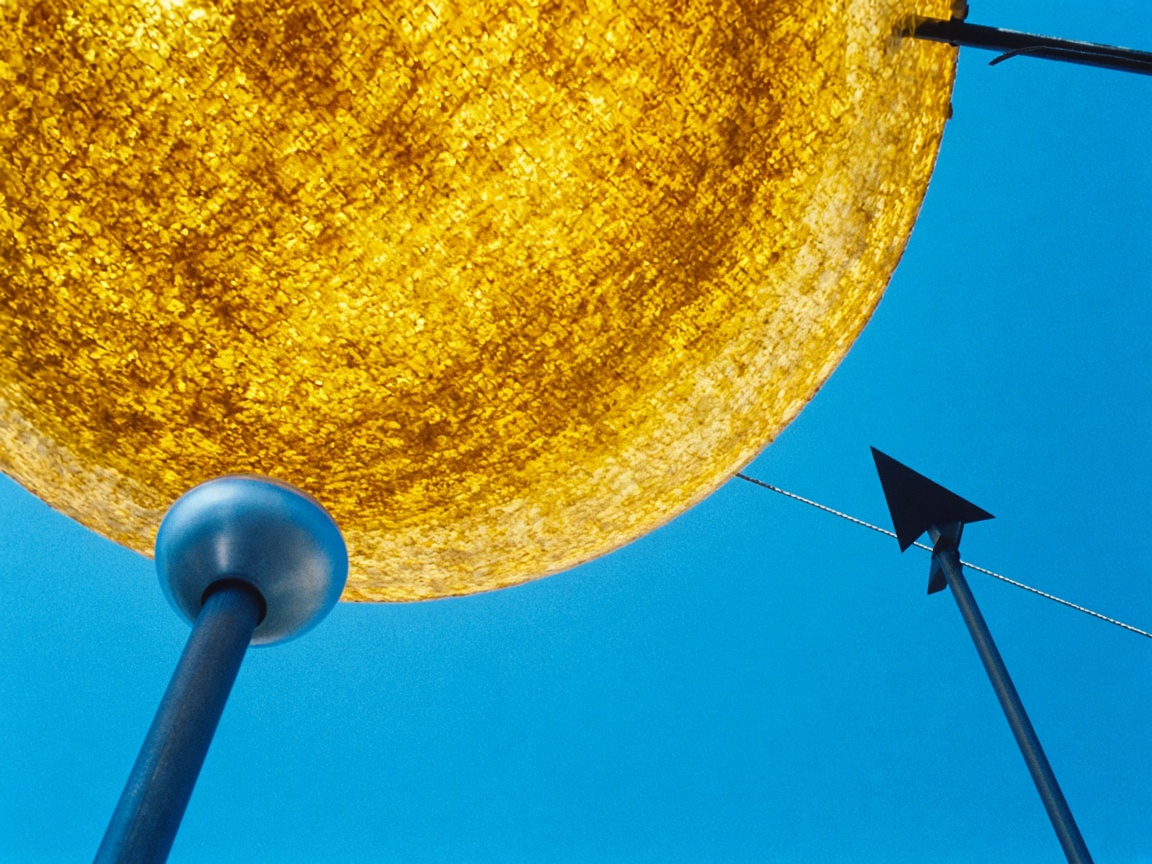
Genoa, at the flower exhibition: the giant “Meridian”, put up for the opening night of the show.
06
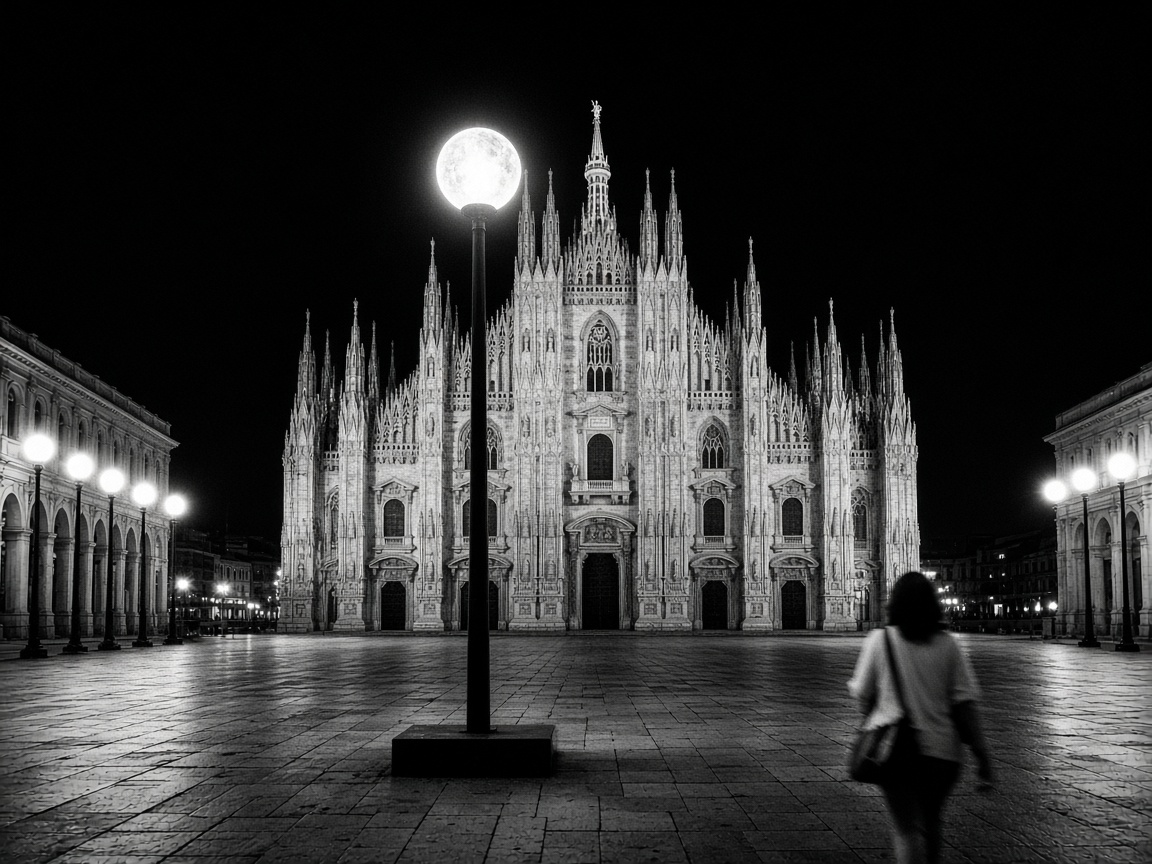
Milan, outside the cathedral: the giant “Meridian”, for one week.
07
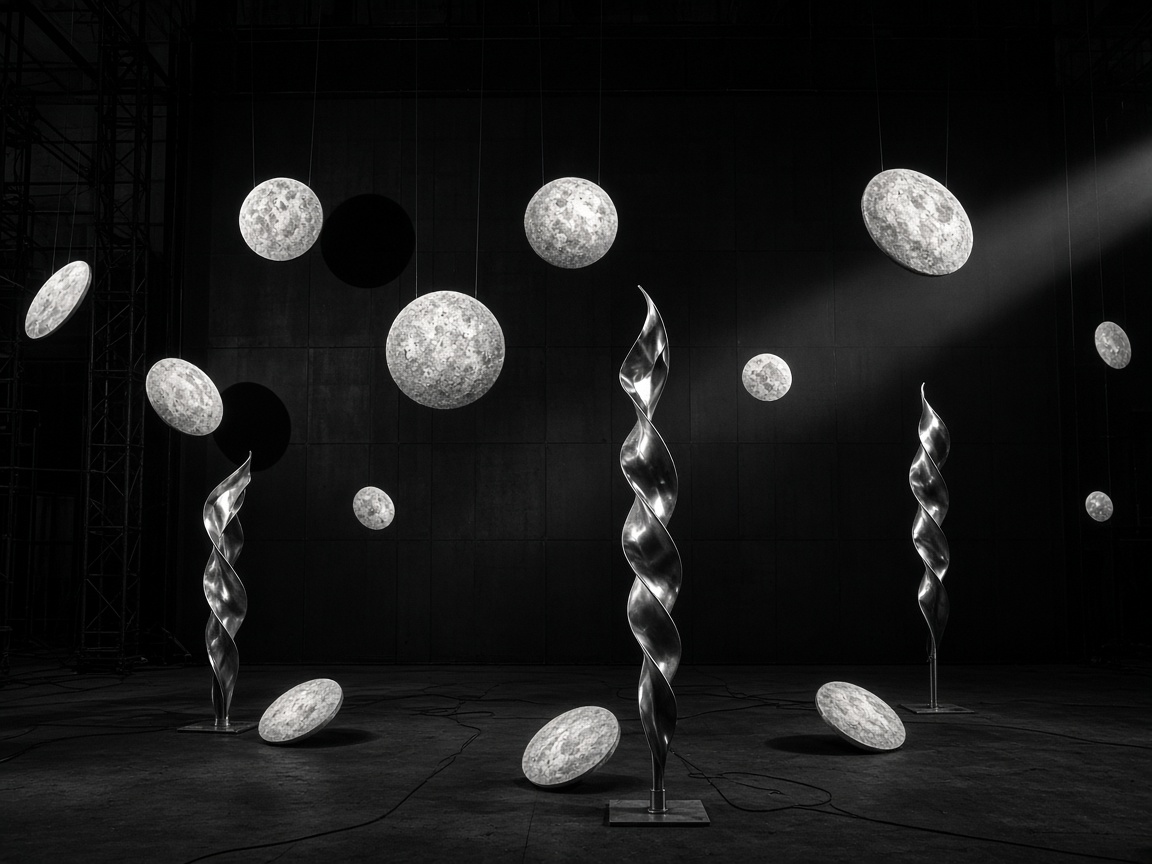
A theatre in Milan: “Vesper” above the stage.
07
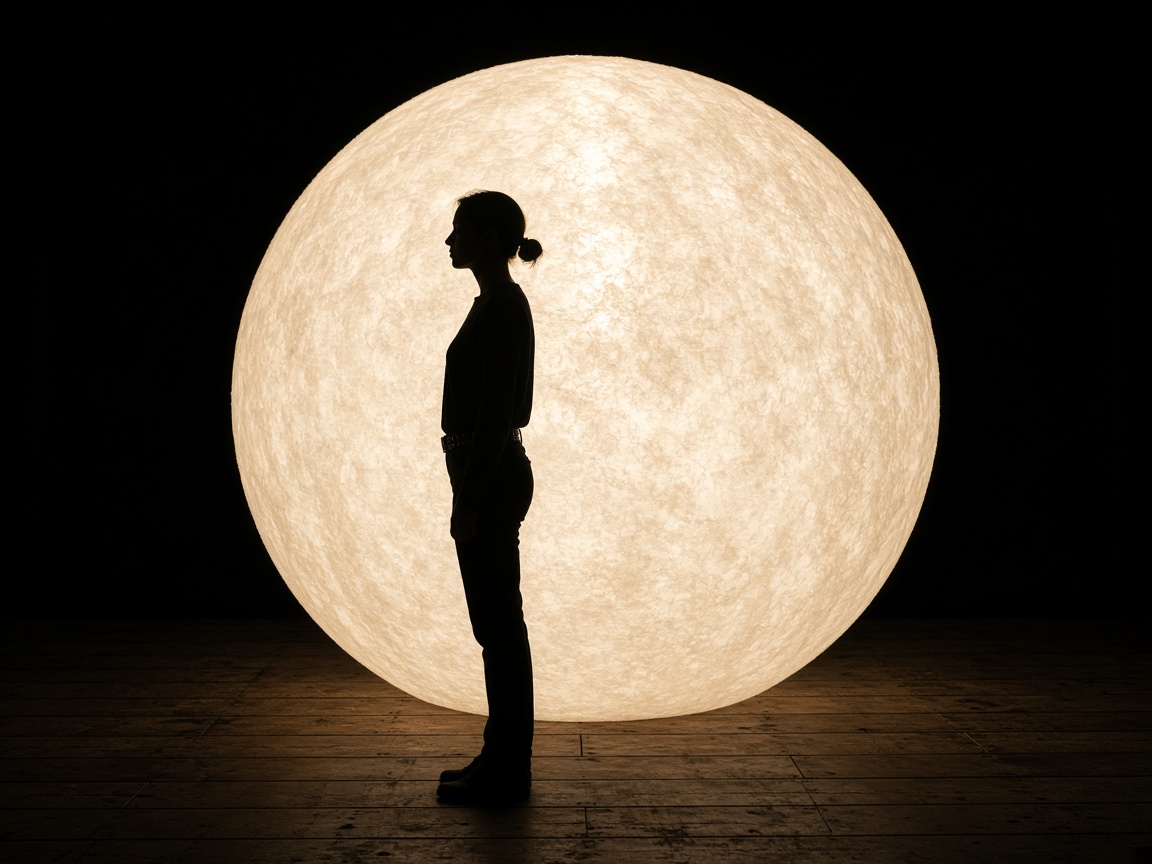
A lighting festival in Düsseldorf gives our founder the excuse to start working with water. He uses a fibreglass hemisphere two metres across and puts low-voltage bulbs fully under the surface. What comes out is a moving light, a glow that will not hold still, and the first of the experiments the “Tide” family is built on.
07
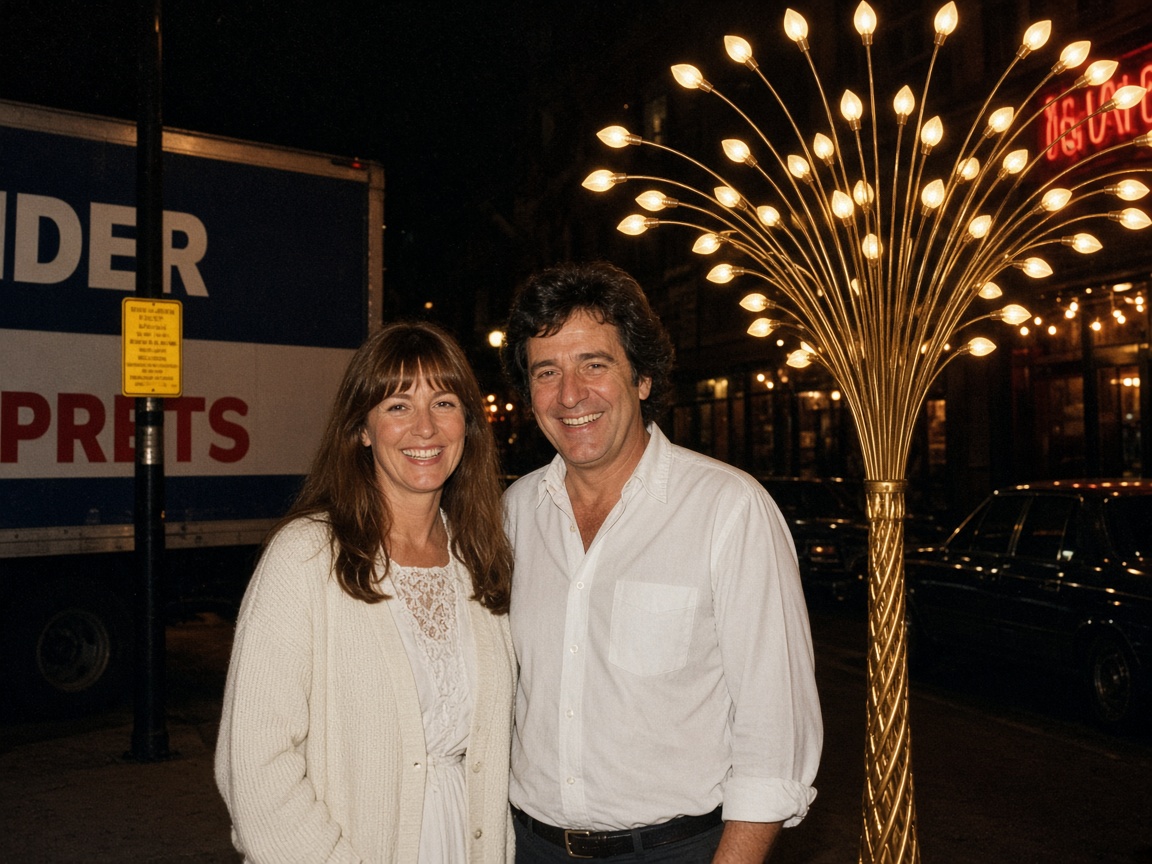
New York: a lighting scheme for a small gallery downtown.
08
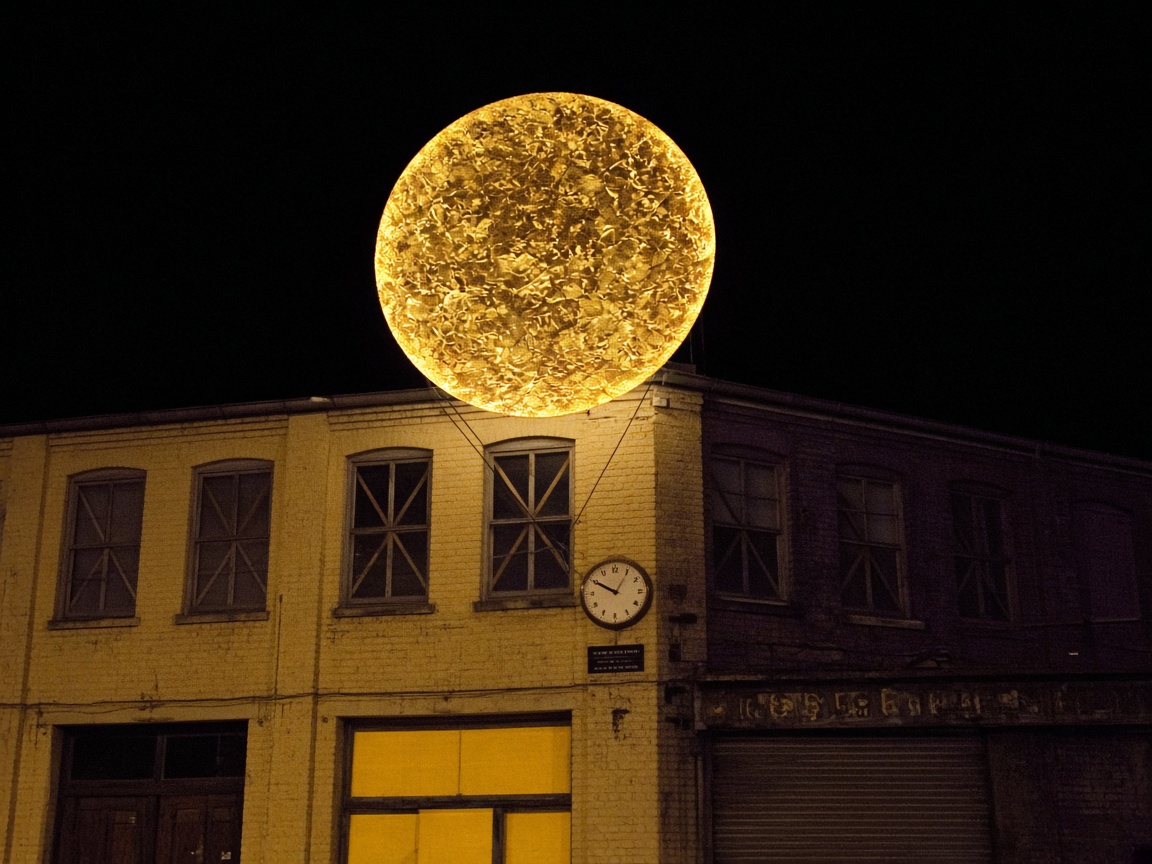
A narrow street in Brussels gets the first giant “Vesper”: one disc, two and a half metres across, lined all over in gold-coloured leaf. Hung beside it is a “Canopy” five metres high, carrying fifty separate beams of optical fibre, every one of them aimed by hand from a ladder.
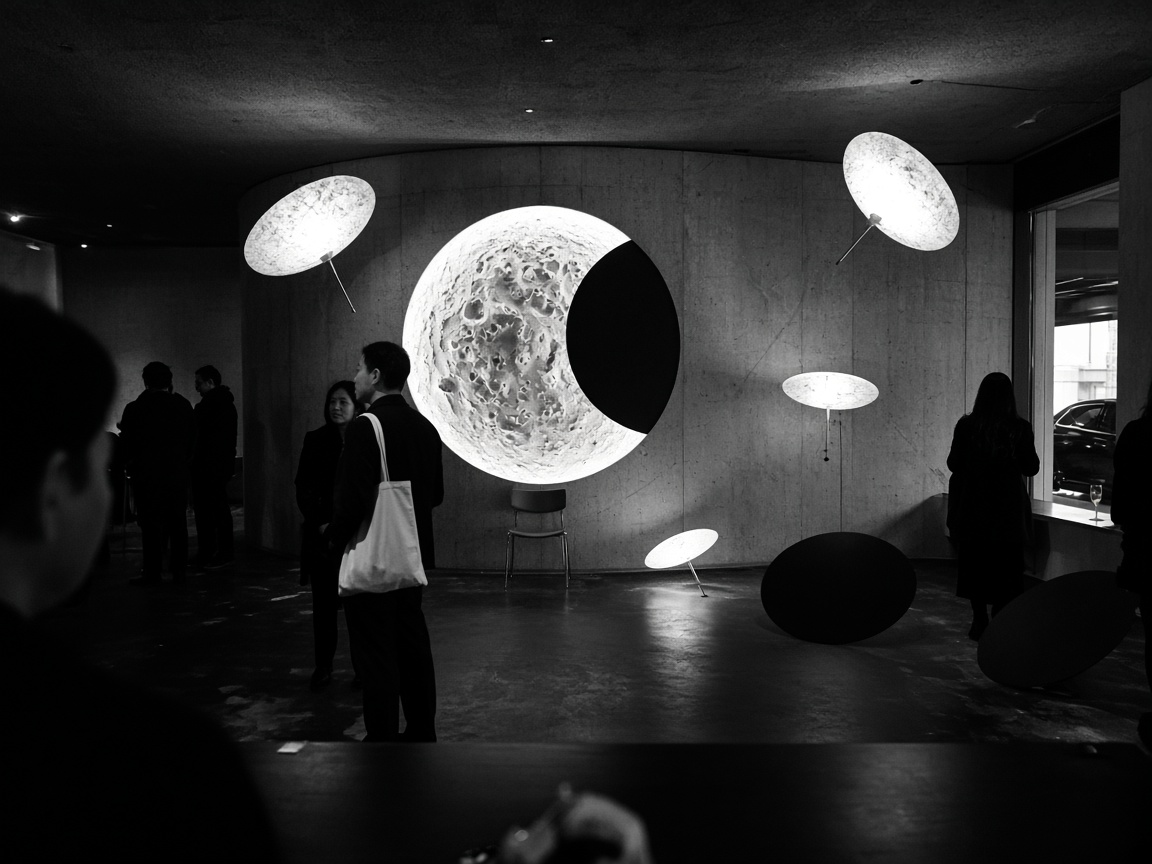
08
Milan: opening night for “Vesper”.
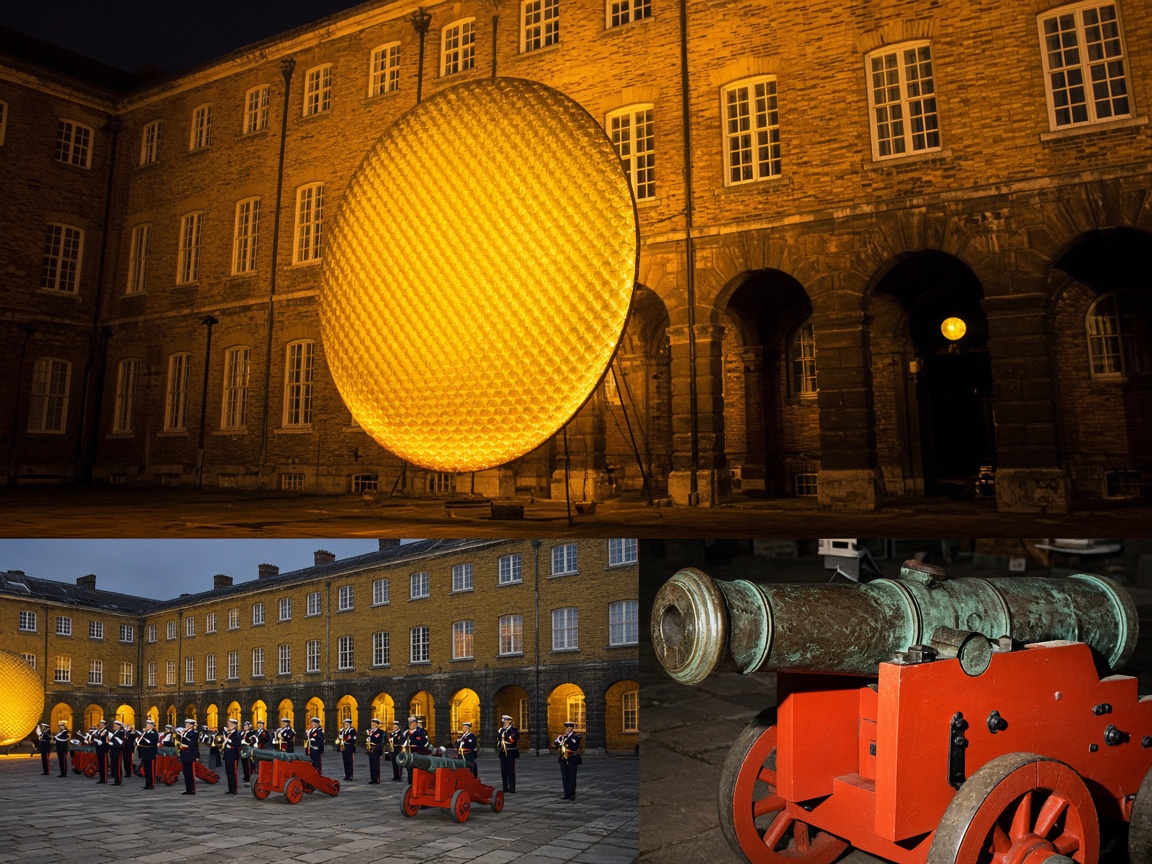
08
Amsterdam, in the courtyard of the maritime academy: “Meridian” together with the giant “Vesper”.
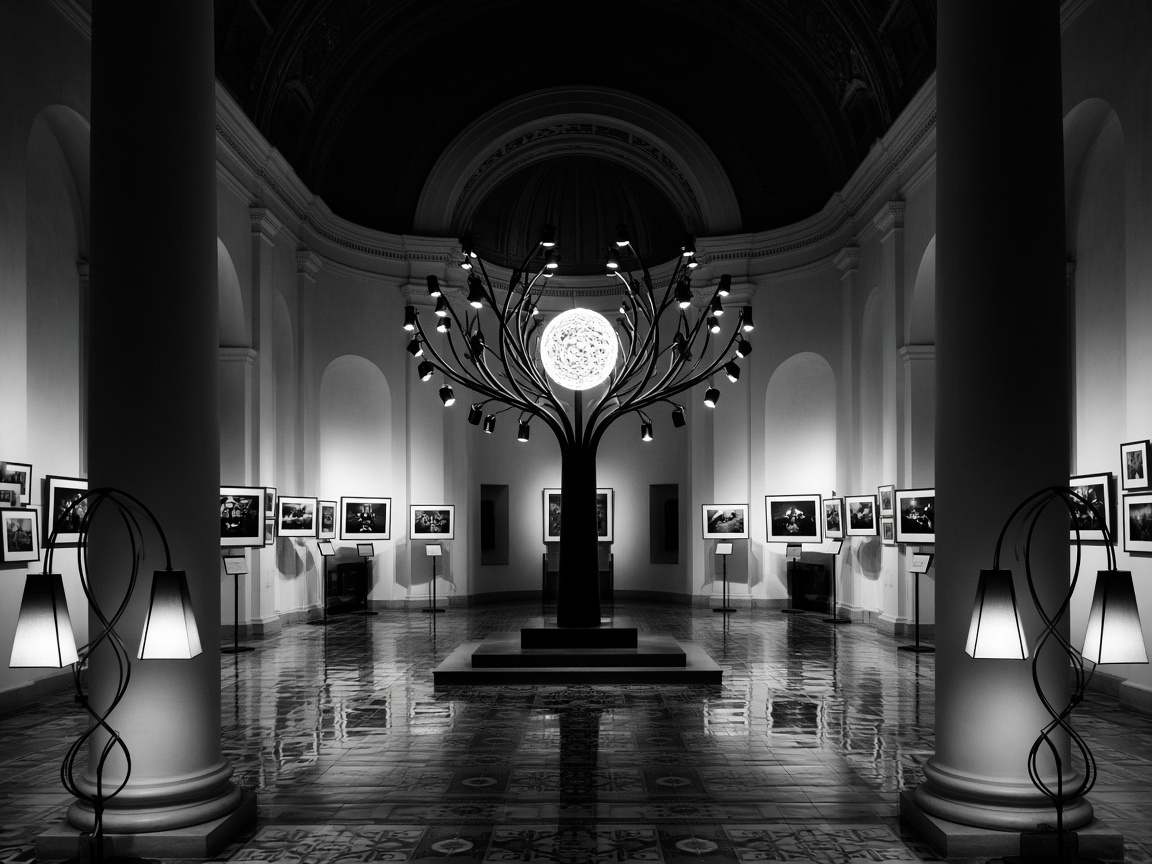
09
An international photography meeting, and a tribute to a war photographer whose prints our founder kept pinned above the bench: the “Obscura Canopy”, six metres high, throwing fifty directional beams out of black carbon tubes.
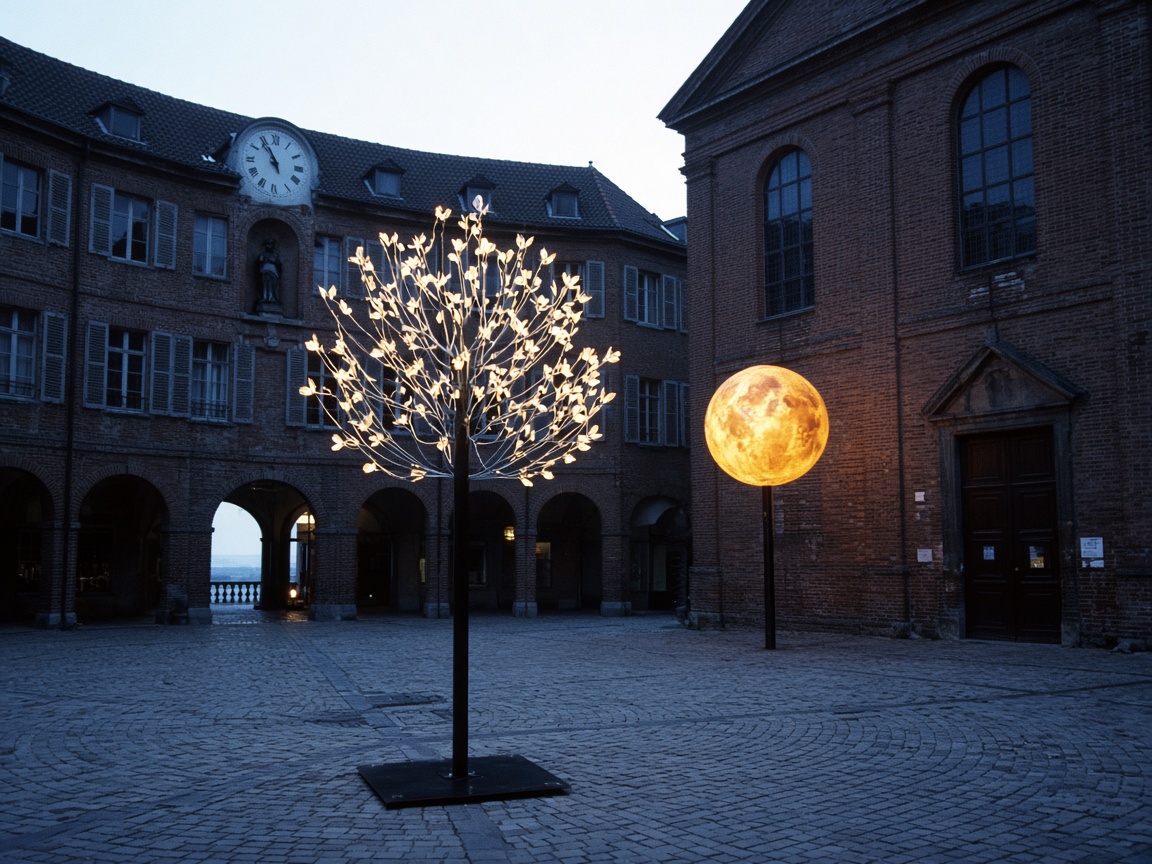
09
One summer, a hill town on the Adriatic puts the gold-leaf “Canopy” and the giant “Meridian” in its main square.
10
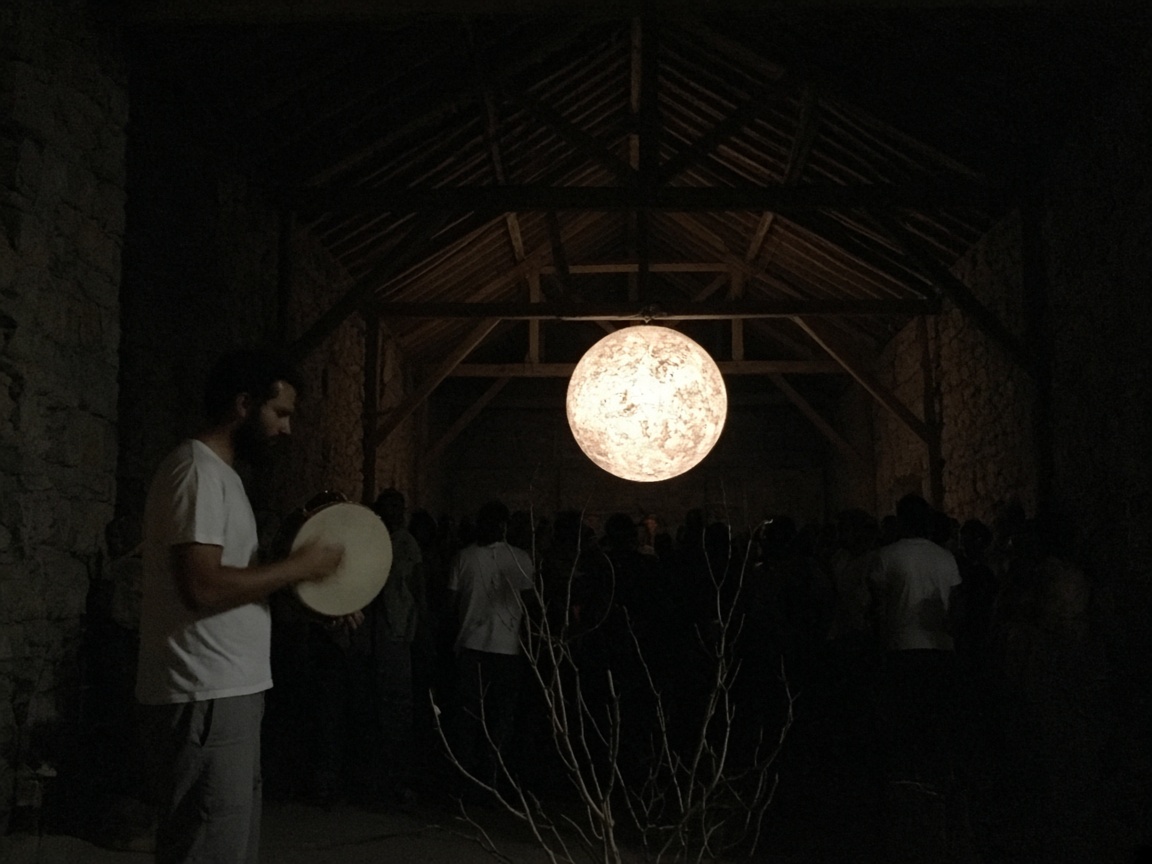
Beijing, at the old yard gate.
10
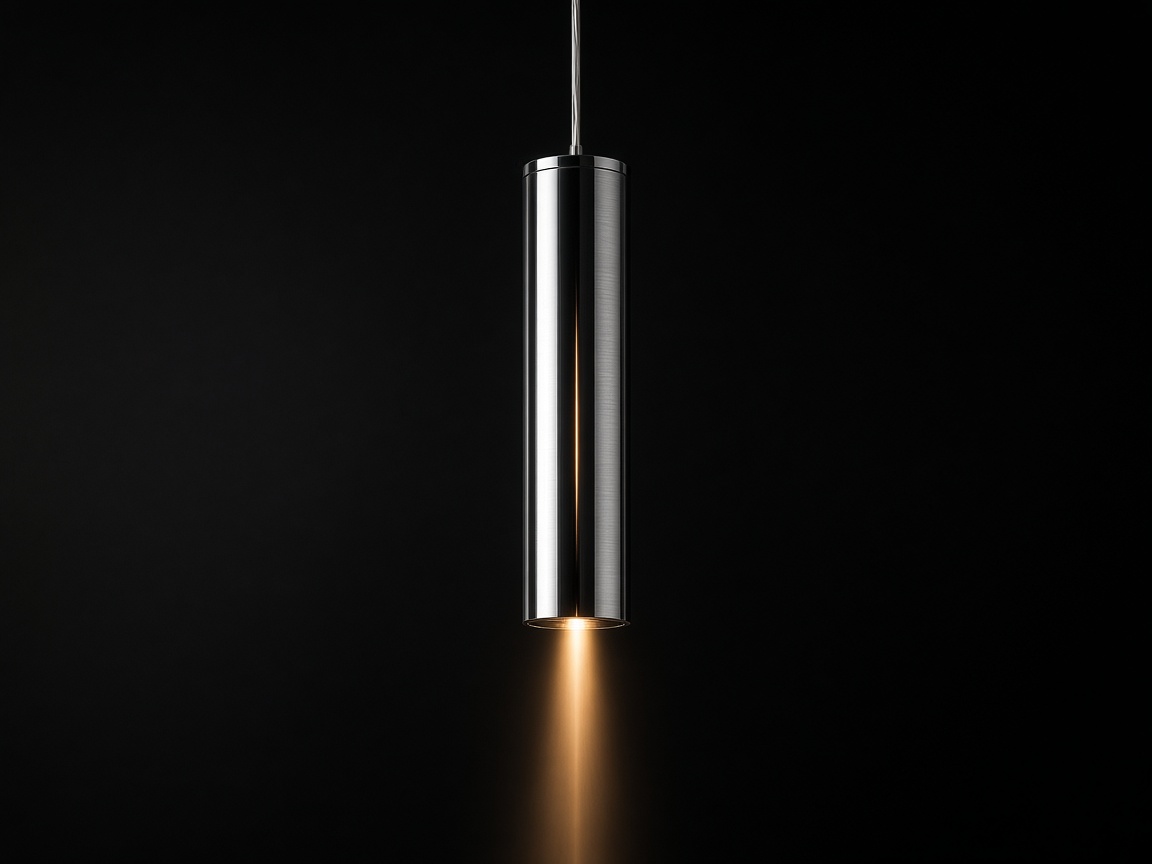
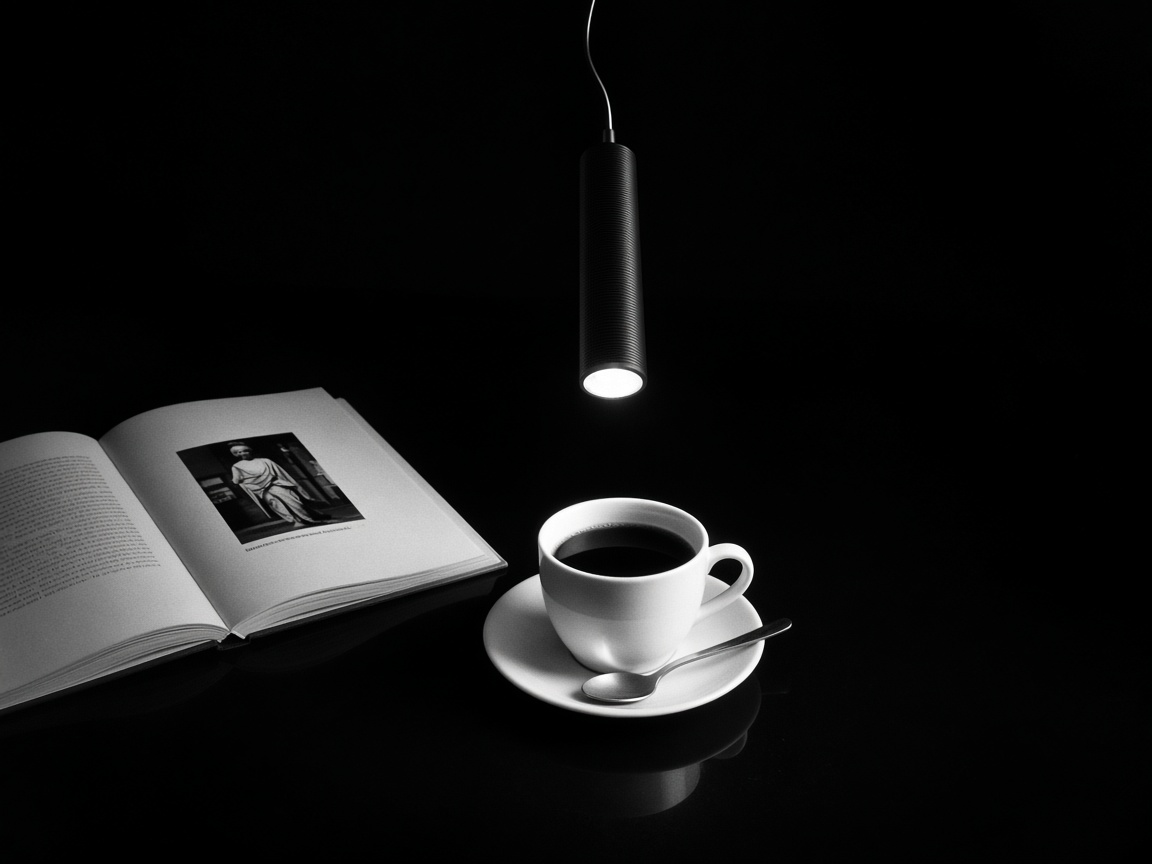
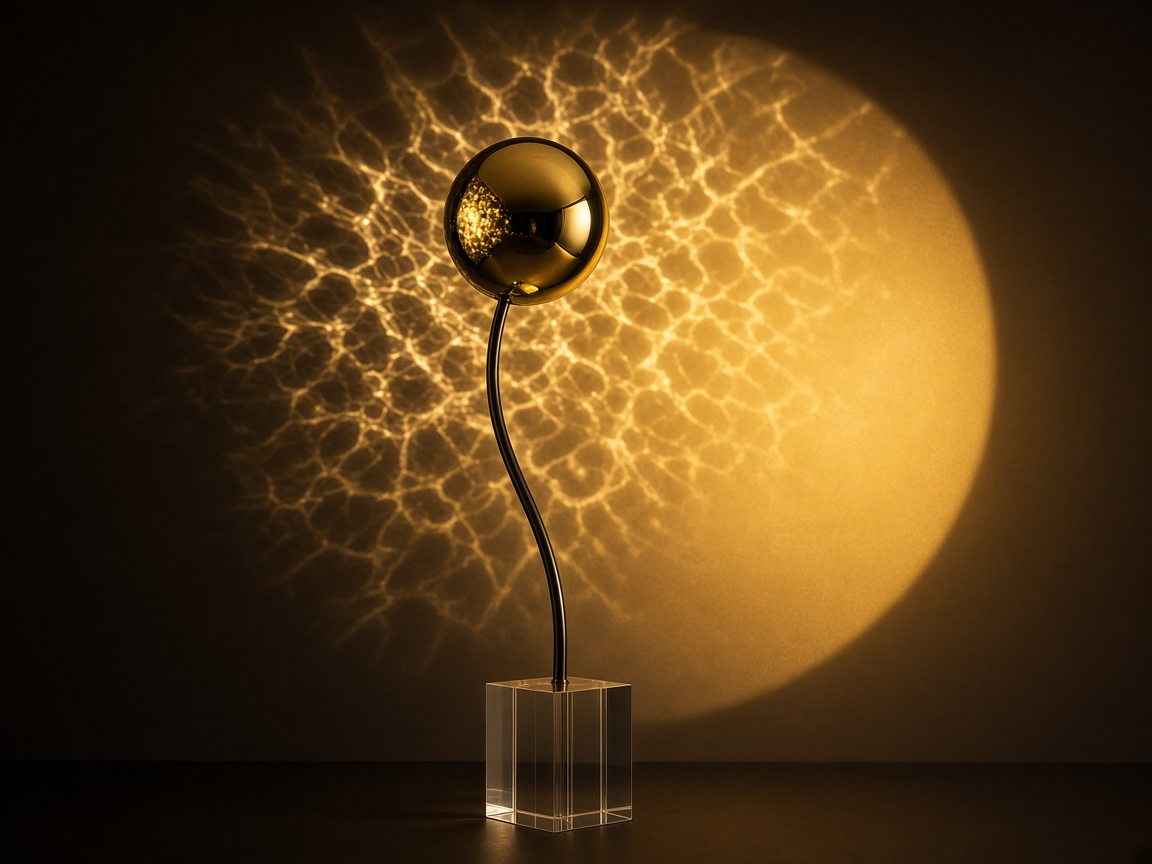
“Obscura” runs the argument the other way. The lamp steps out of its sculptural role and leaves the space to pure light: the source hides itself, and whatever the light lands on becomes the piece you are looking at.
10
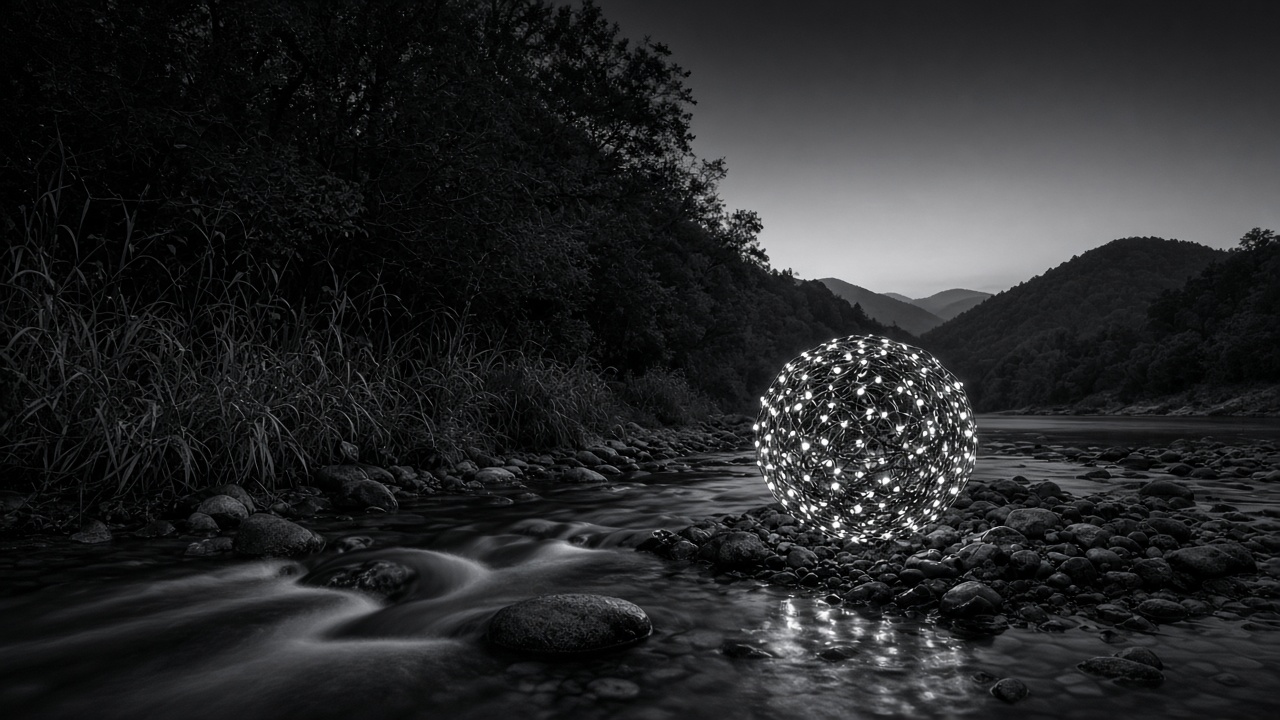
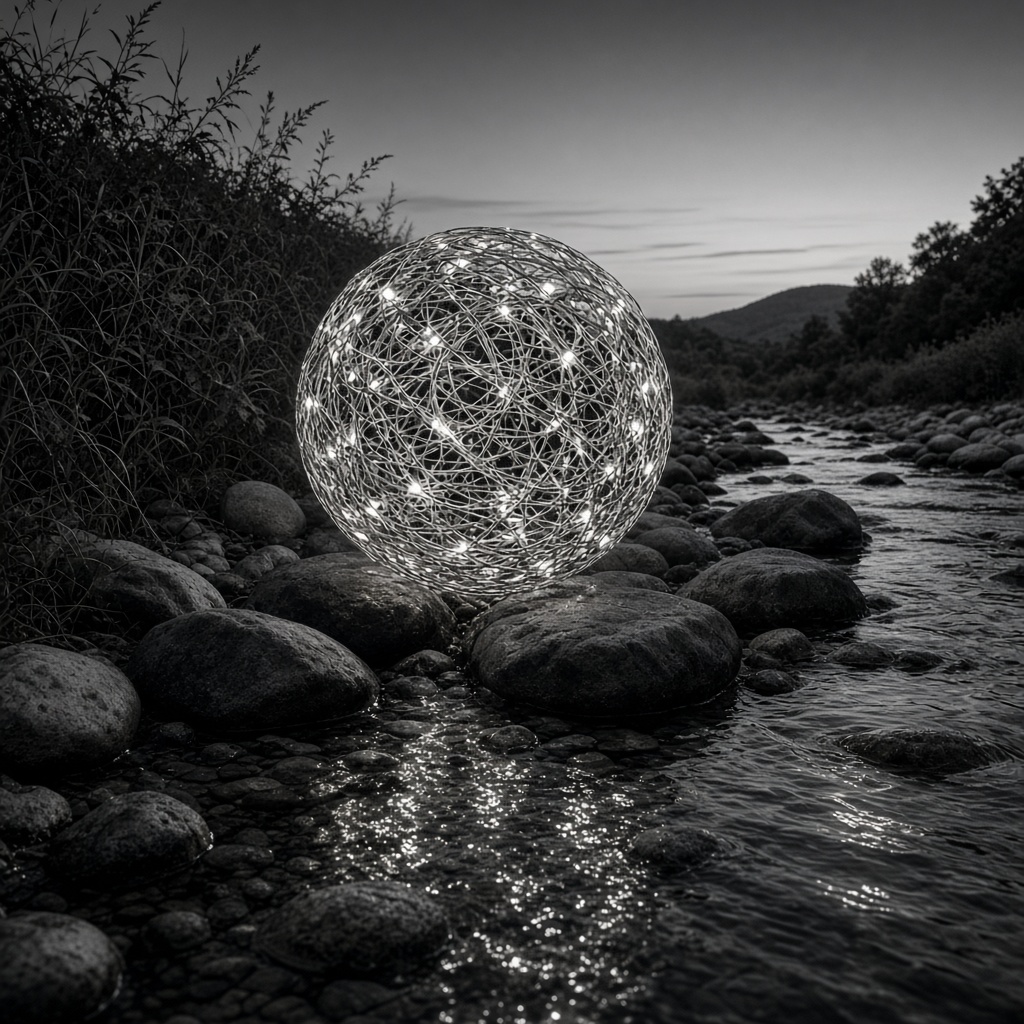
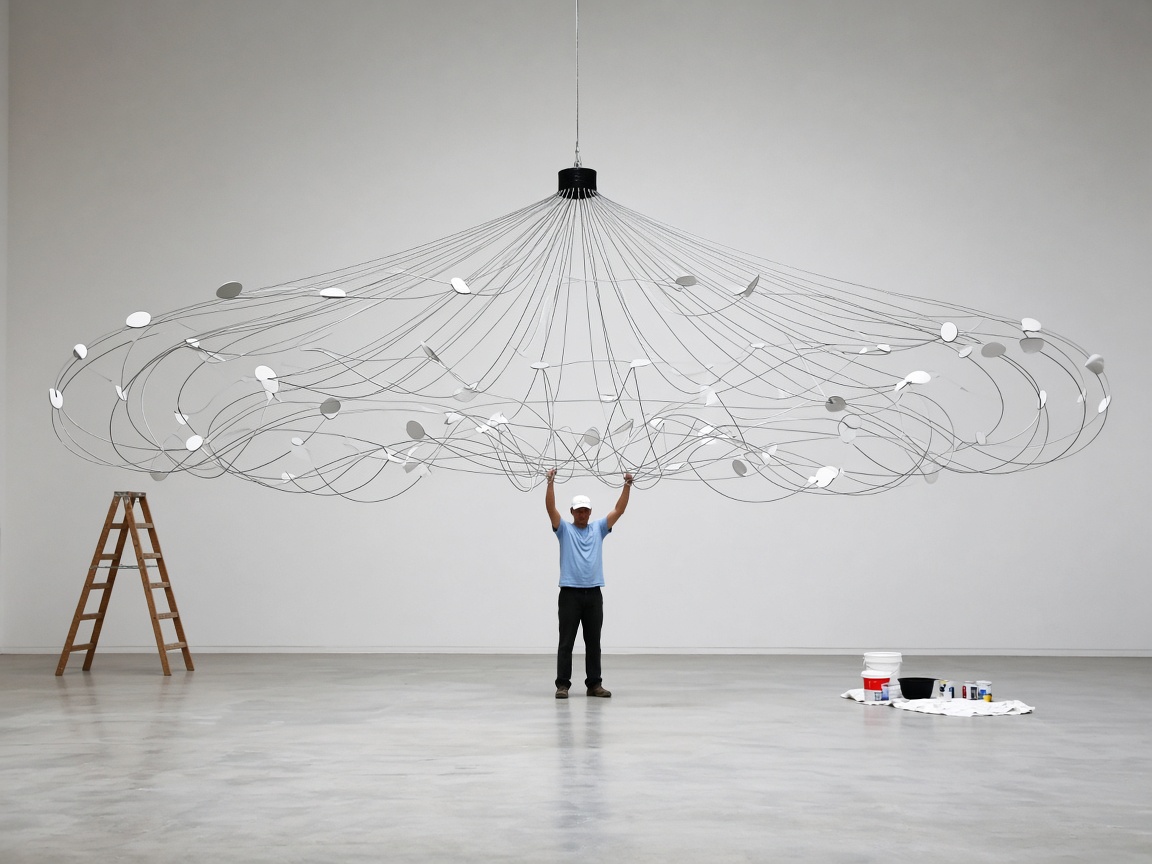
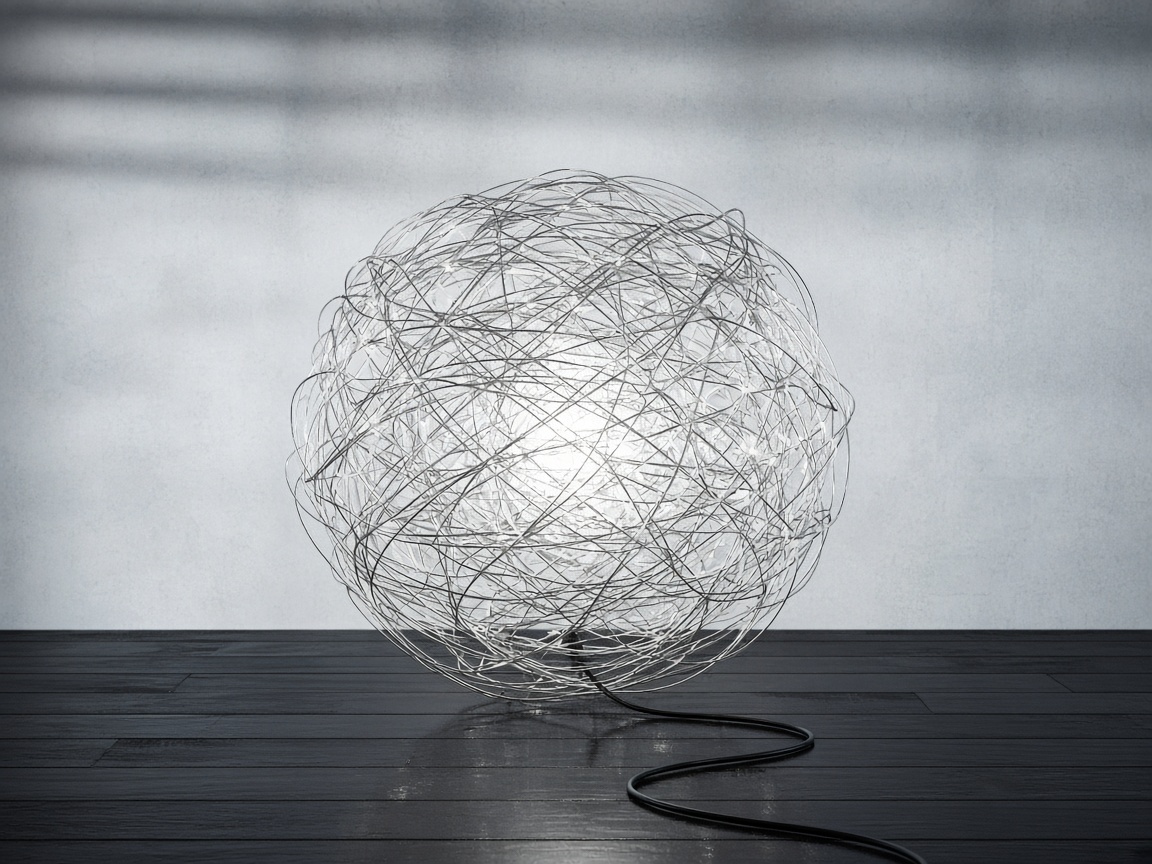
A single huge lamp, a one-off, is commissioned for a historic hall in Rome, the building behind a famous fountain, which today houses a national institute for graphic art. What we work out for that piece, a ball of aluminium wire with light held inside it, becomes the study the prototype of “Filament” is drawn from, later the most recognisable thing we have ever made, and still the one people write to us about.
10
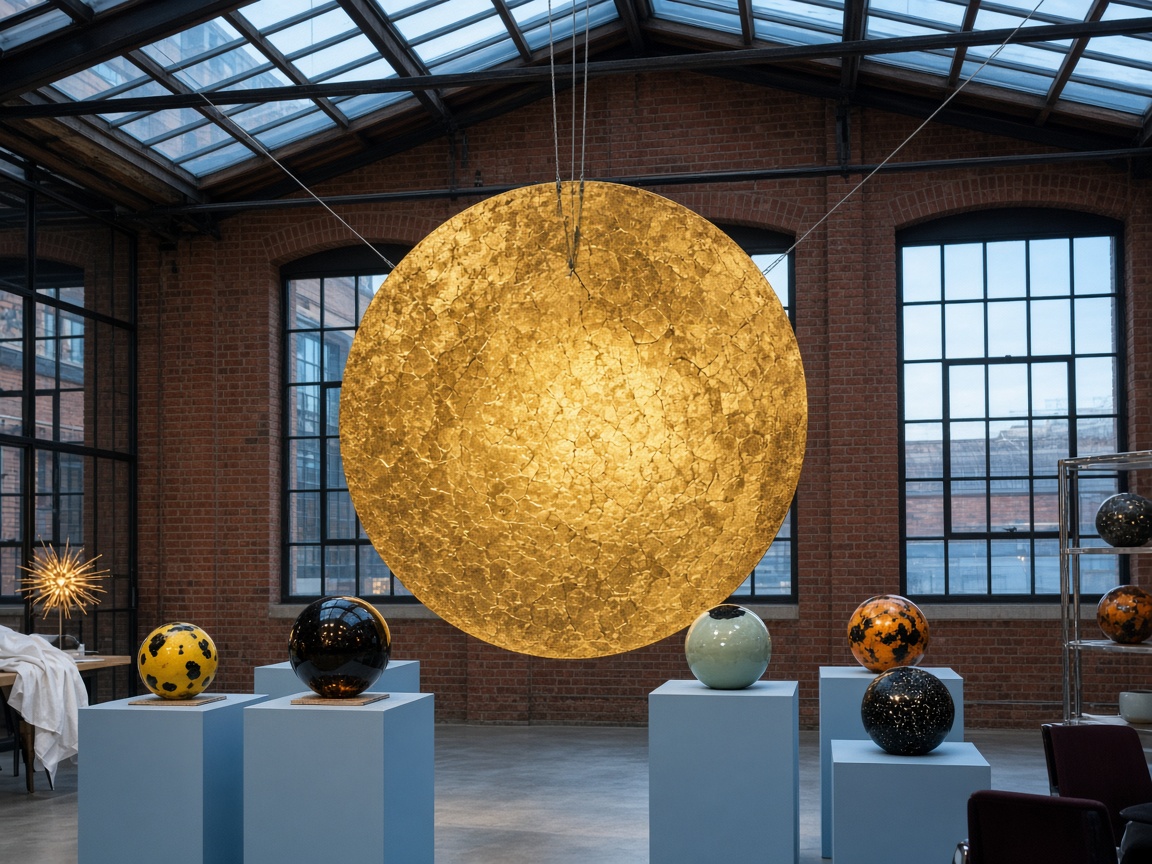
“Aurea” is shown in Tribeca, in New York.
11
“Obscura” is picked for a national design association's annual index, and spends a month on display in a public exhibition hall in Milan, where anybody could come in off the street and look at it.
11
Geneva: an installation outdoors, for the city's winter festival of light.
12
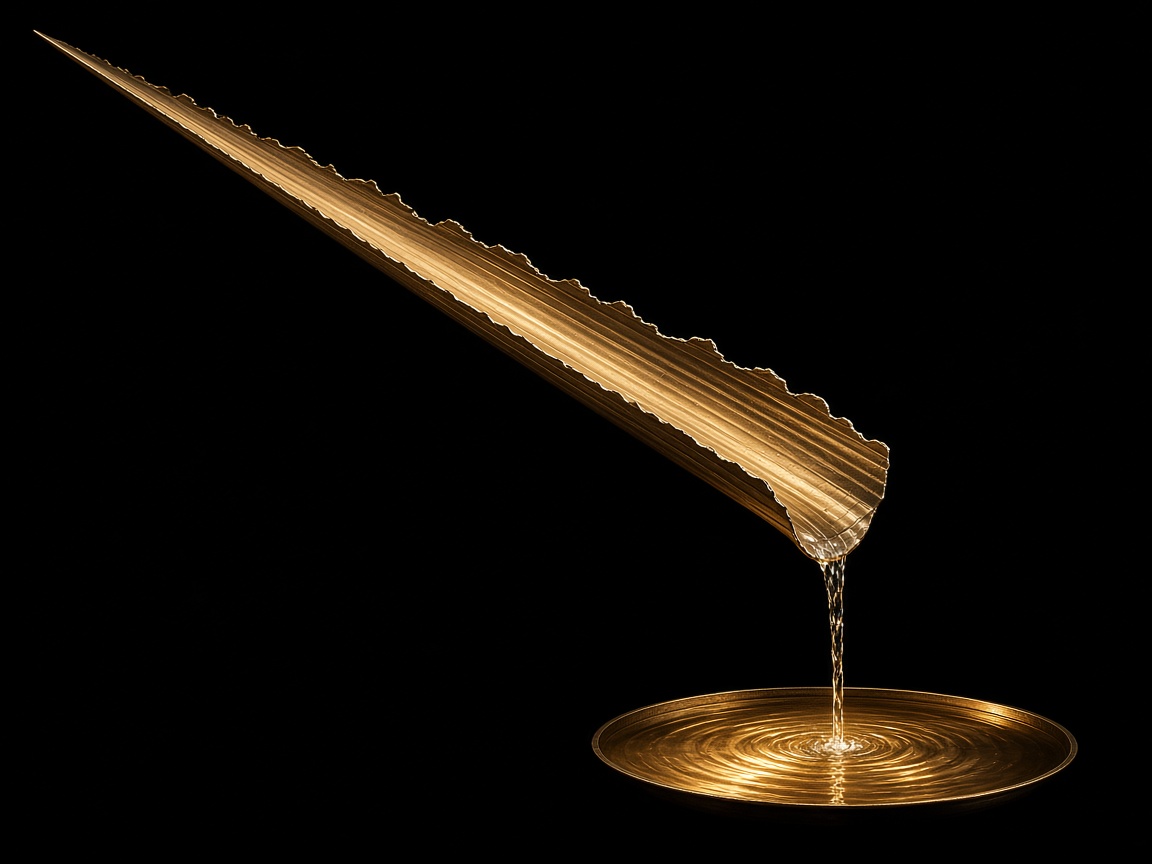
An interiors fair in Verona is where our founder shows “Longwater”, made outside every collection: a river of aluminium on iron trestles, water running the whole length of it, and a large “Wellspring” waiting at the mouth to catch it.
12
A group called “Out of Series” is formed for the prototypes and the ideas that fit nowhere else. Three of them, “Filament”, “Wellspring” and “The Painter”, had been made in limited numbers until then; from this point they go into production.
13
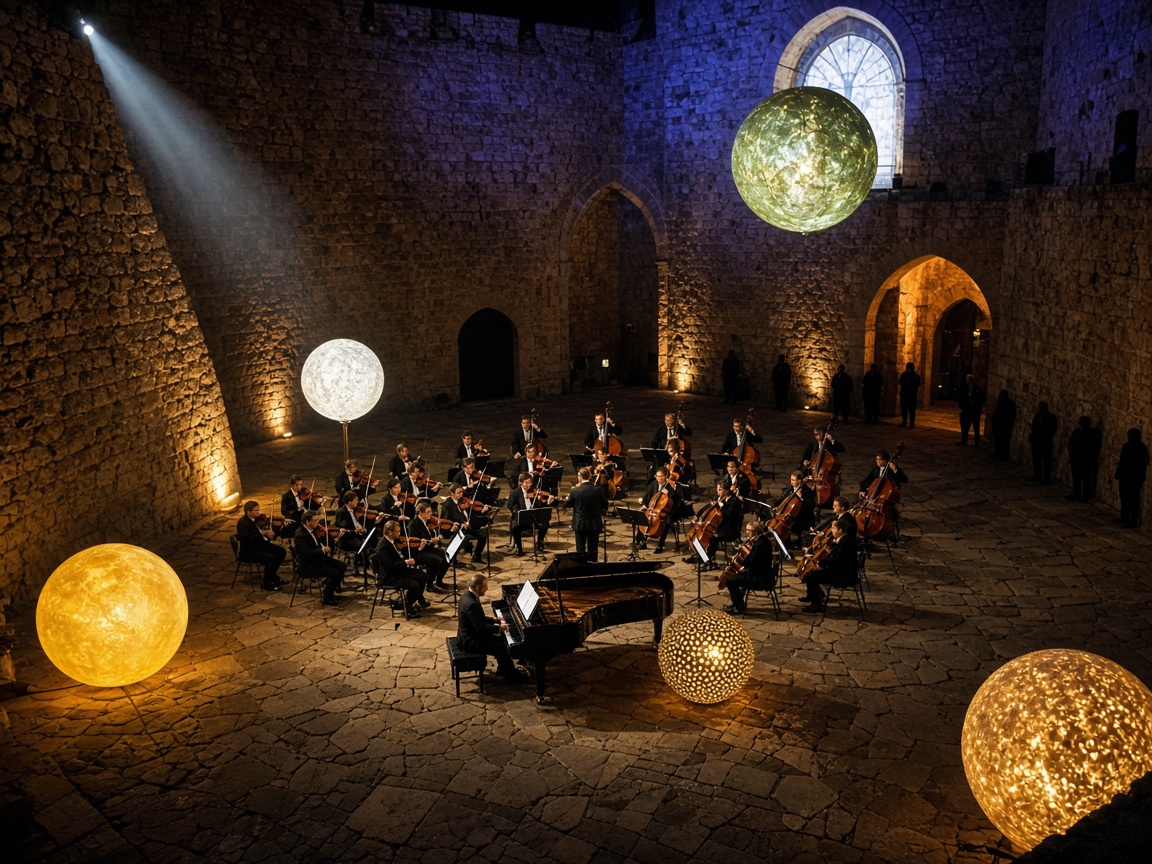
A singer asks us for the scenery of an open-air event on a small Mediterranean island: lamps set low over the rock, light arriving from nowhere in particular. The same year, with a theatre director, we set the stage for his indoor concert in a southern port city.
13
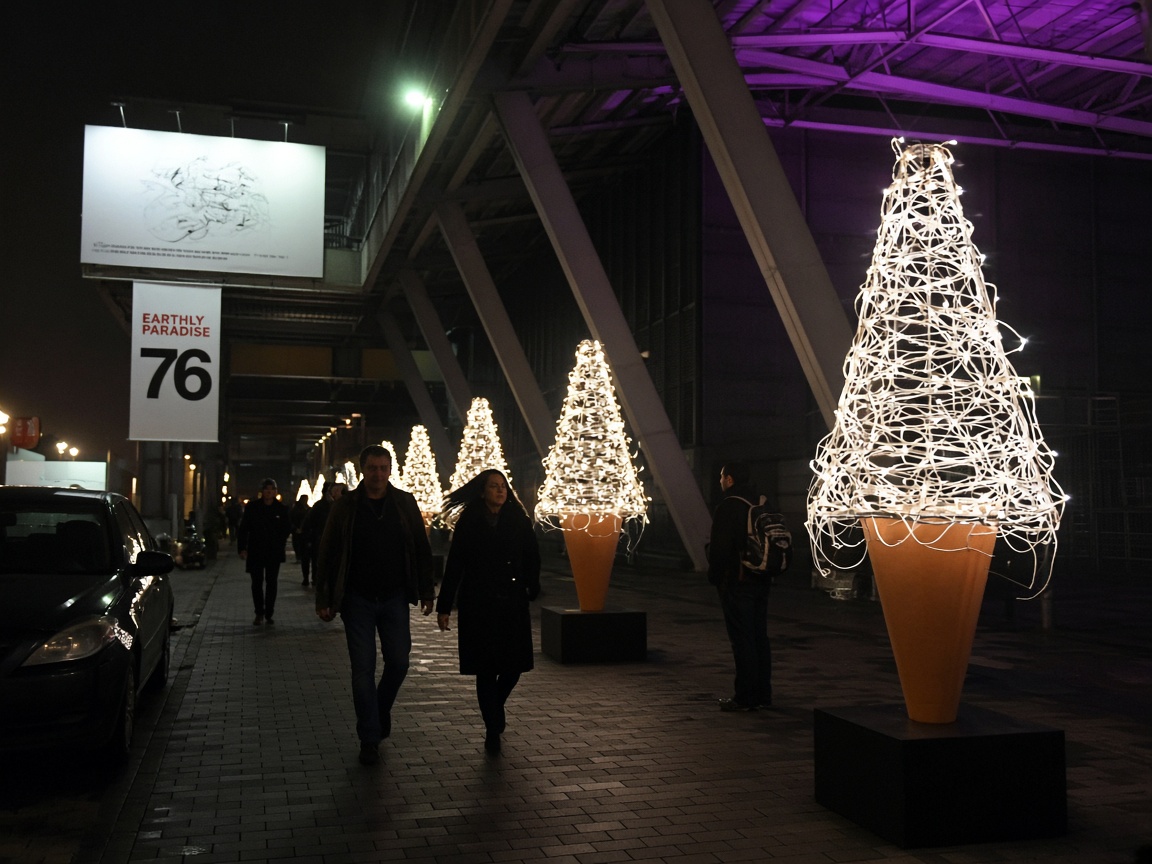
Milan: one bespoke “Filament”, for the show called “Earthly Paradise”.
14
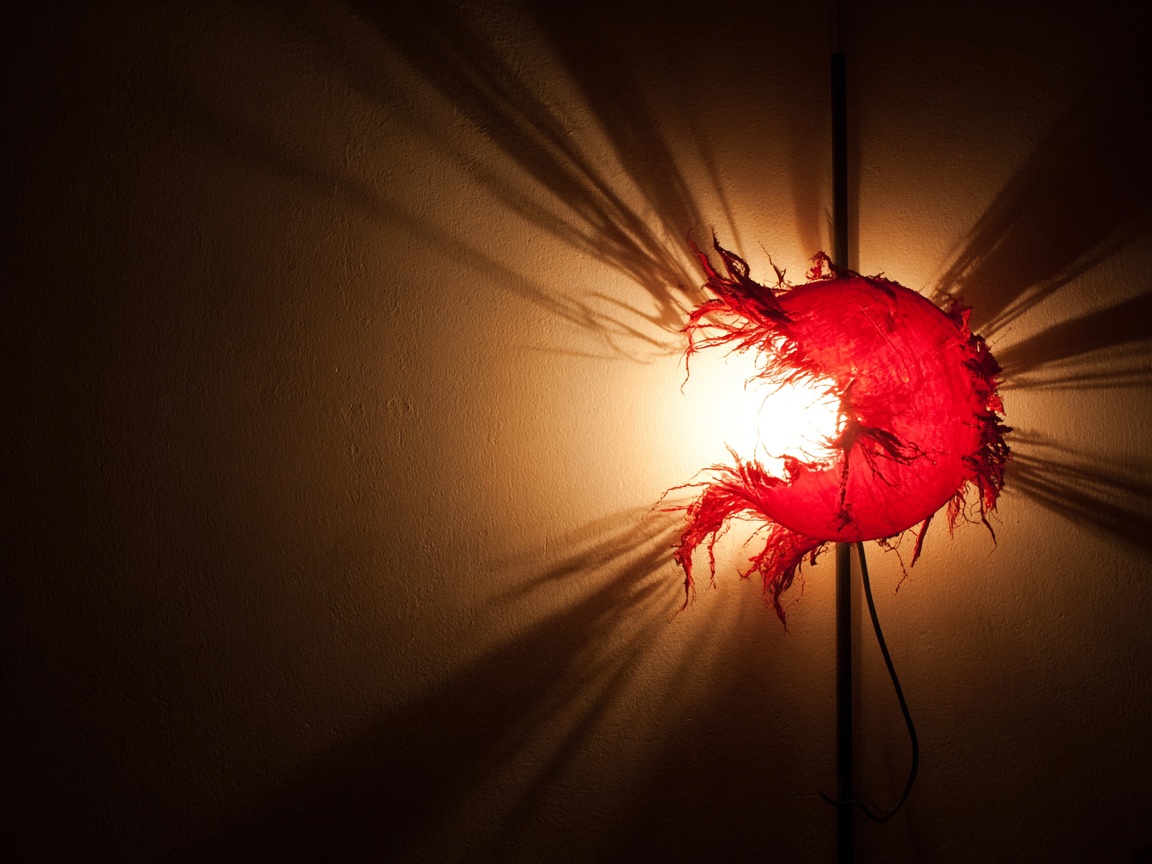
“Corolla” brings colour in: lamps of hand-finished fibreglass, where light works against colour and shape, transparency set against contrast all the way through.
15
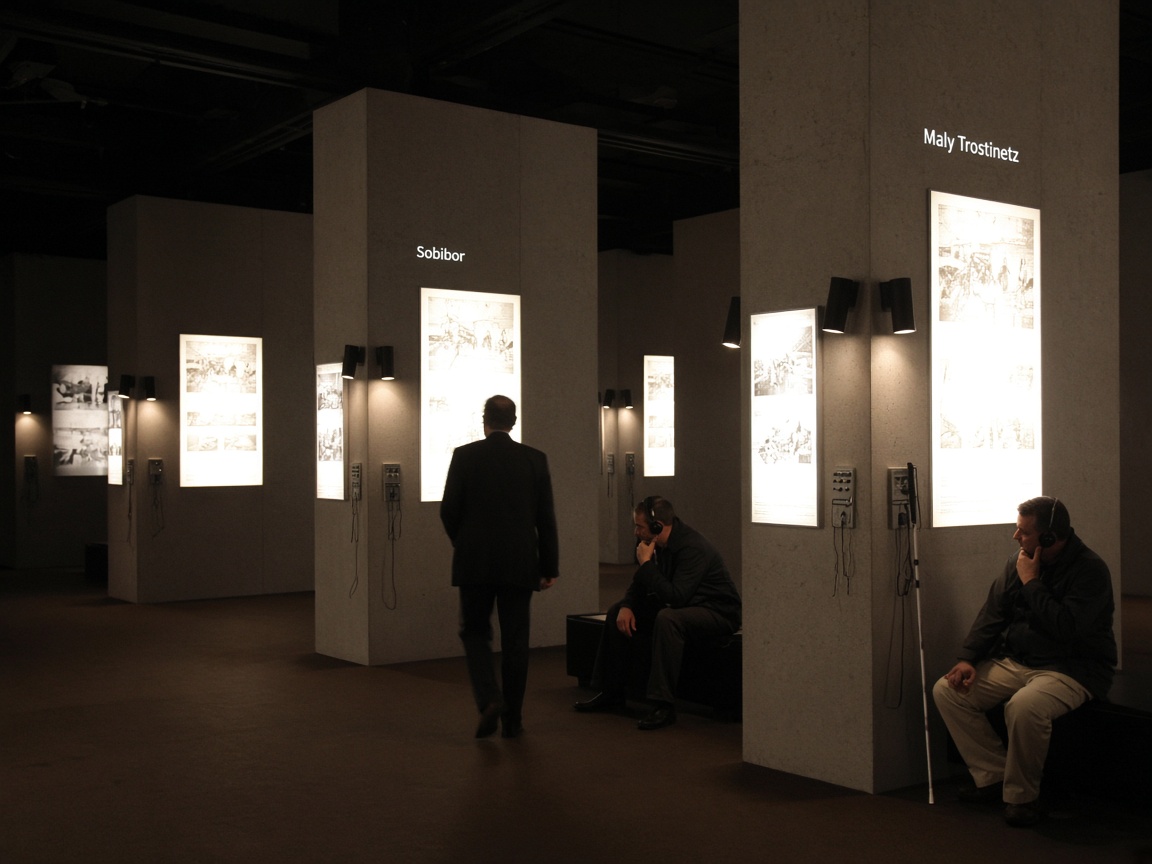
An old industrial hall in central Berlin becomes a museum of contemporary history. The shell is left raw: 4,000 square metres of exhibition floor under a sawtooth roof, plus two levels underground for the archives and the rooms where testimony is heard. We take on the light in those lower galleries, where visitors come face to face with the people who lived through what is on display. Nothing in the brief allowed a fitting to compete with a face on a screen, so the scheme is built from “Obscura” wall lamps, recessed sources and a linear run hidden inside the handrail, every circuit dimmable down to a few per cent. The rooms end up dark enough to feel serious and light enough to read in.
16
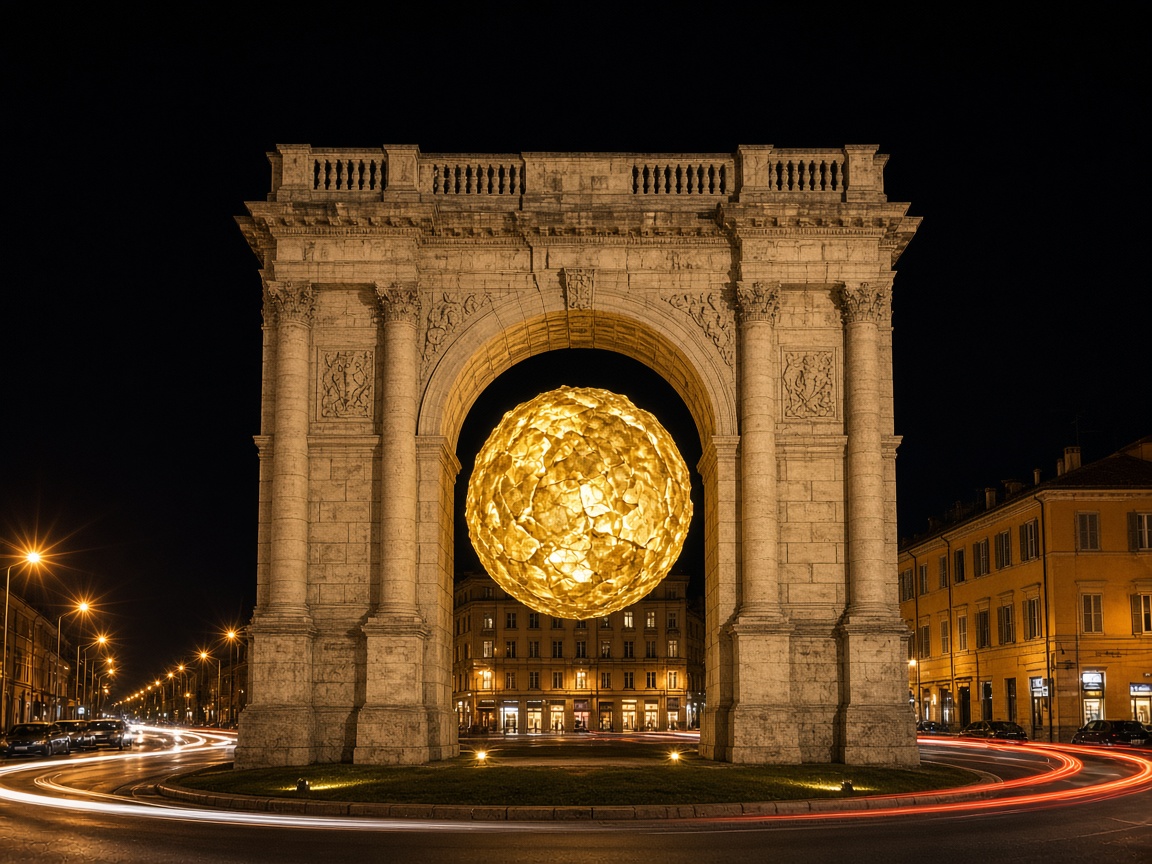
The director of a design magazine asks our founder for a work to stand in the city during the furniture fair. What he makes is “The Unfinished Sphere”: three metres across, in exploded fibreglass, gold-coloured leaf outside and silver inside, hung under the arch of an old gate and left there to light the passage for as long as the events run, from the first morning to the hour the arch is shut at night.
16
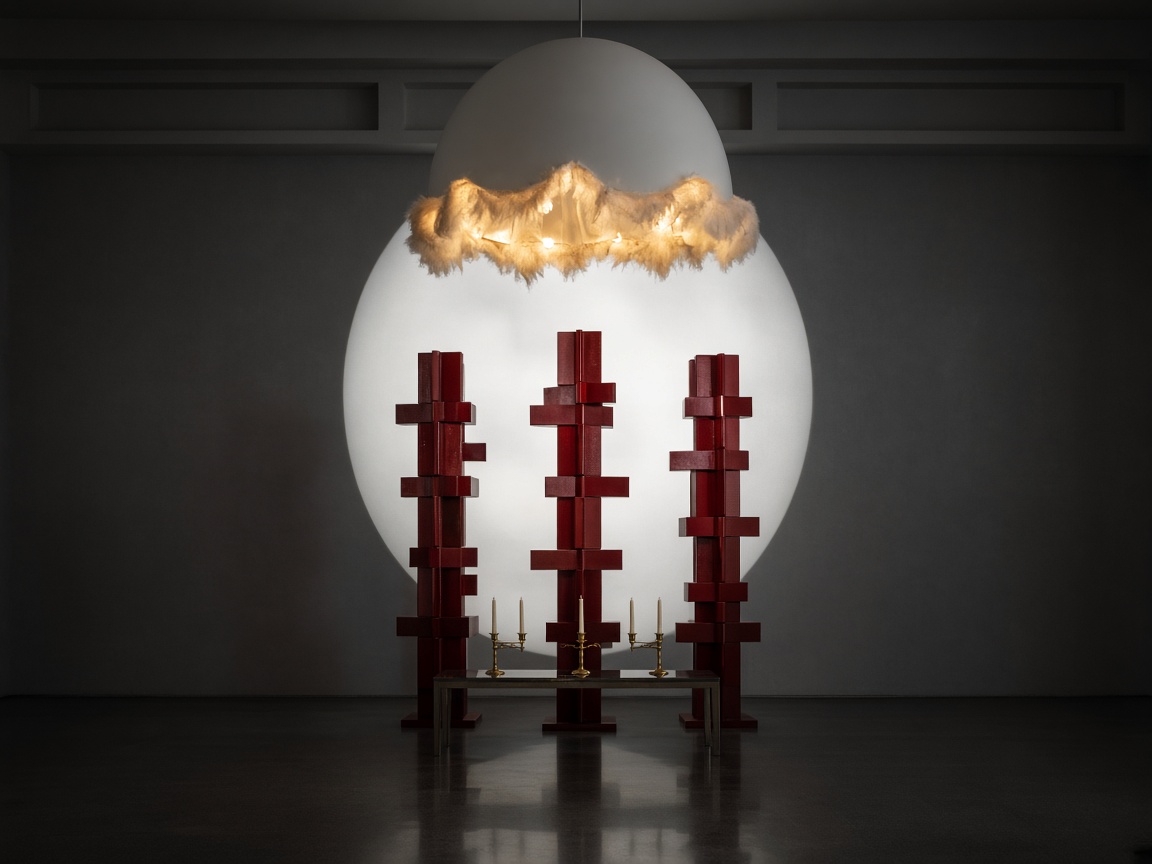
An architect, a sculptor and our founder share one space. His part is to light a collection of decorative objects and contemporary jewellery from underneath a set of large fibreglass domes.
16
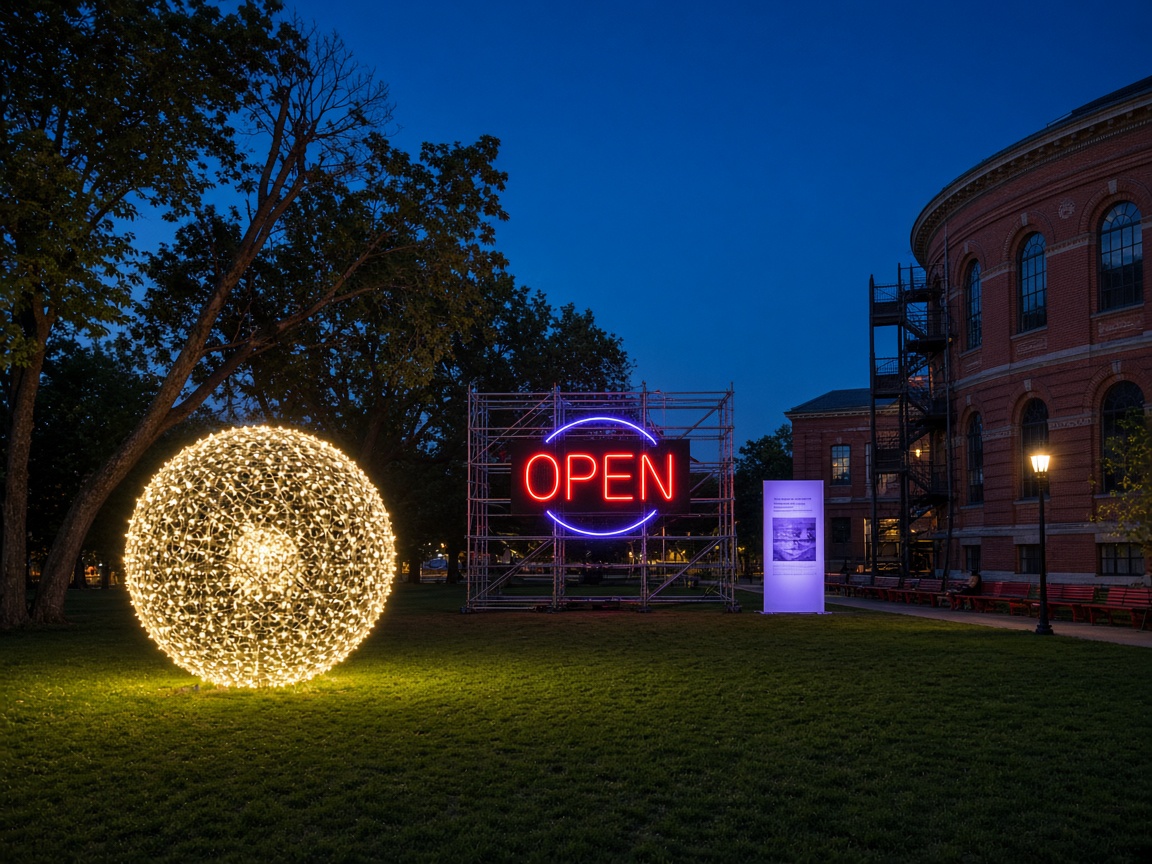
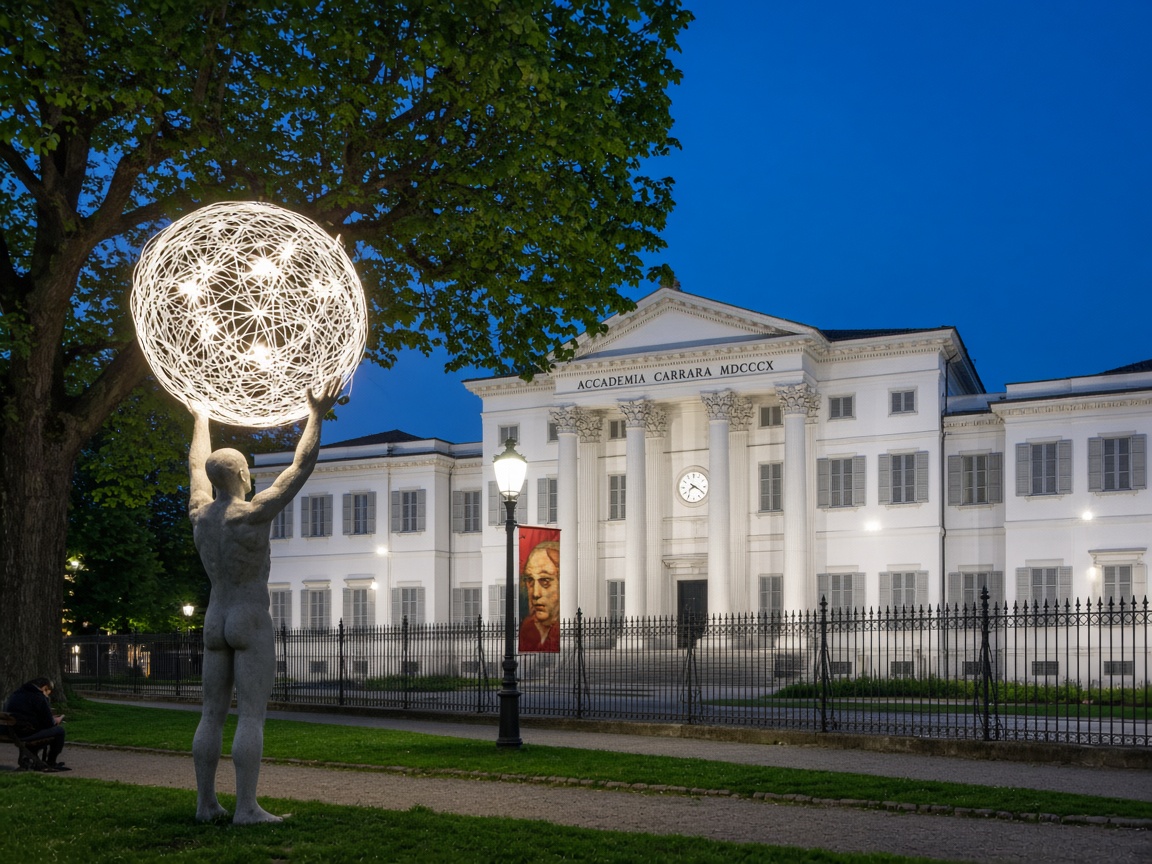
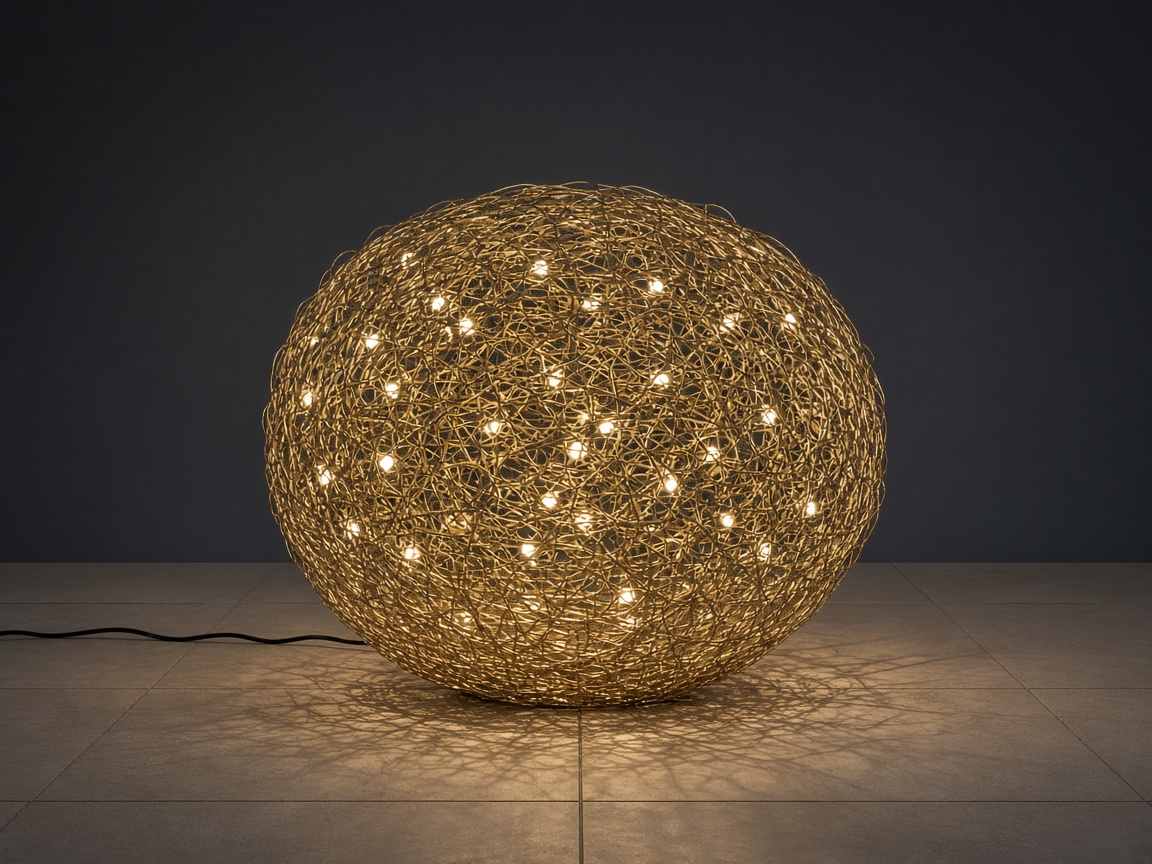
A permanent “Filament” goes into the gardens of a design museum: three metres in diameter, built out of almost 22,000 metres of aluminium wire, 350 kg of it in all. Inside, 400 bulbs, LED ones now, produce the effect the piece is after, which is a small cosmos that has fallen to earth.
16
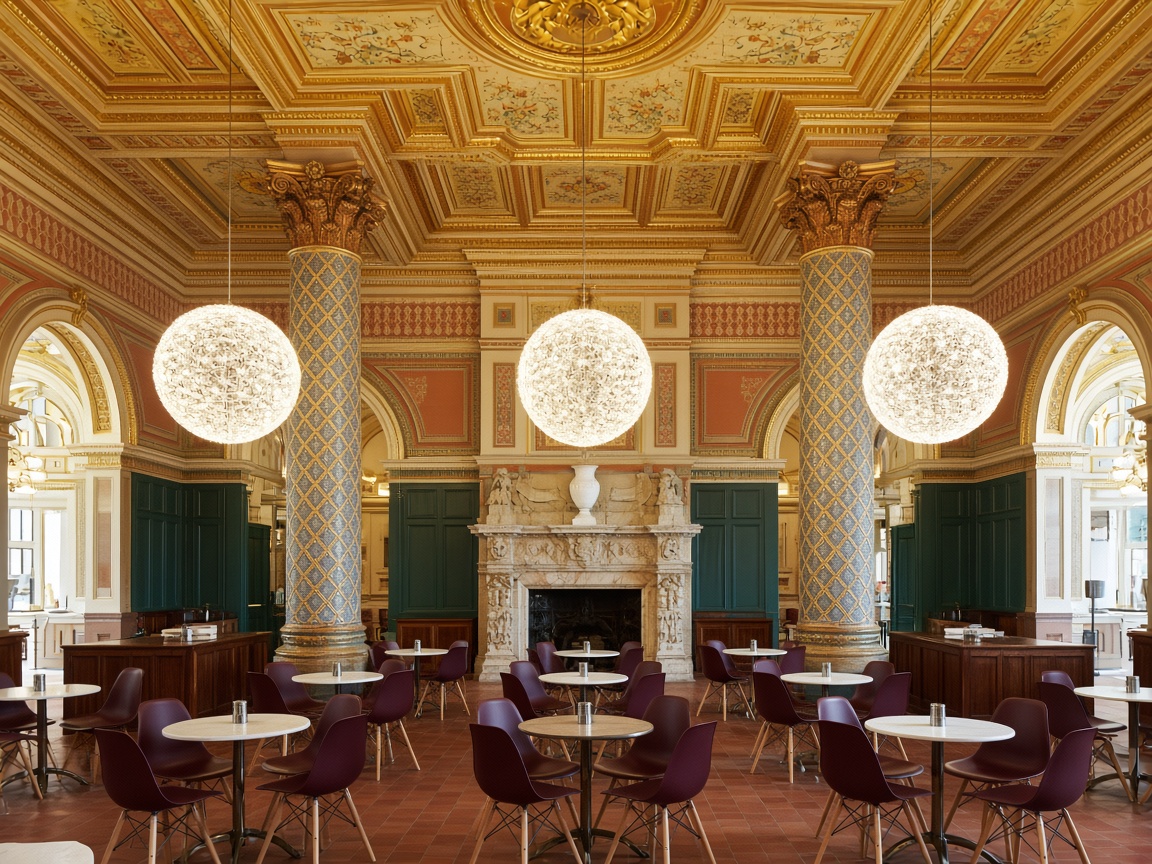
Photograph credit: the museum's own image library / galleries refurbished by its in-house design team / lighting by LuminaCraft. In the restaurant-cafeteria of one of the world's largest museums of art and design, in London, four special “Filament” lights of two metres each do the work. The character of that museum is modern design and serious craftsmanship, and the pieces fit it without argument, giving the room the same warmth the galleries have upstairs while leaving the tables, and the people at them, to themselves.
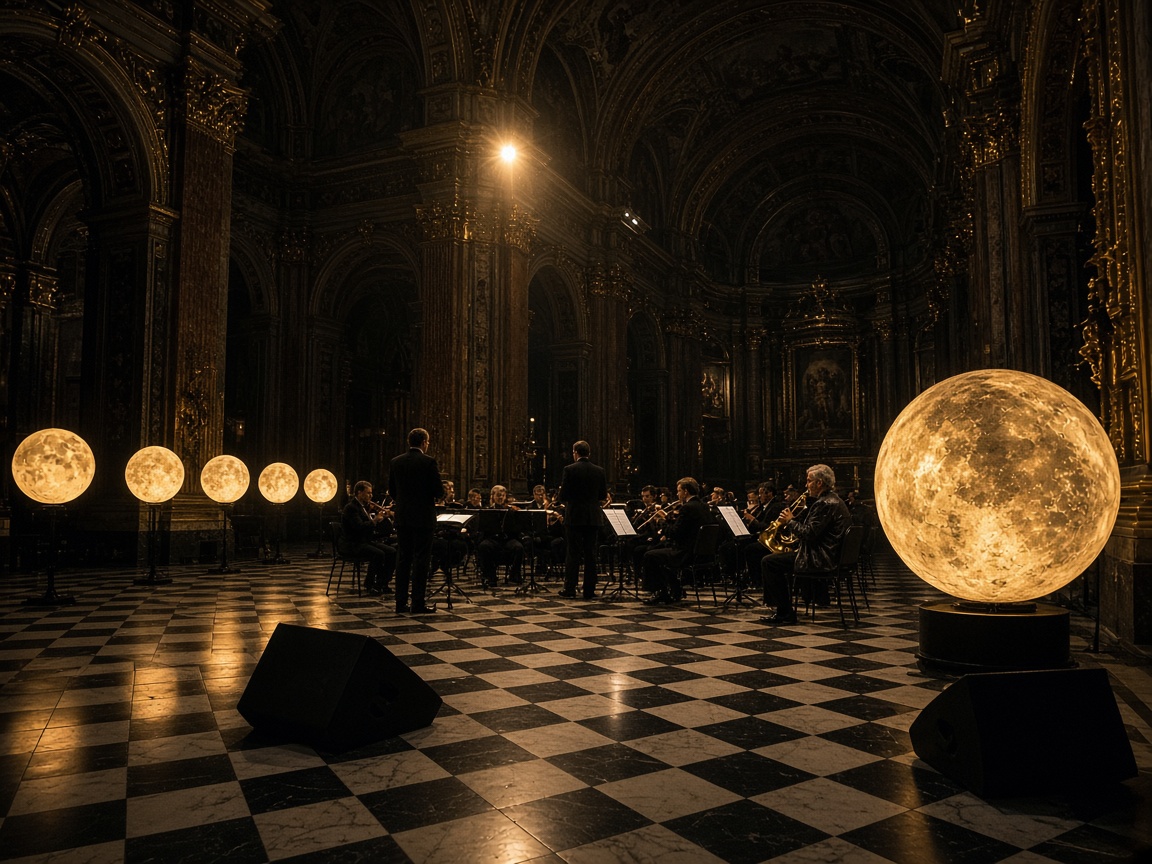
17
Ghent: “Bright Chaos”, put up for the city's festival of nights of light.
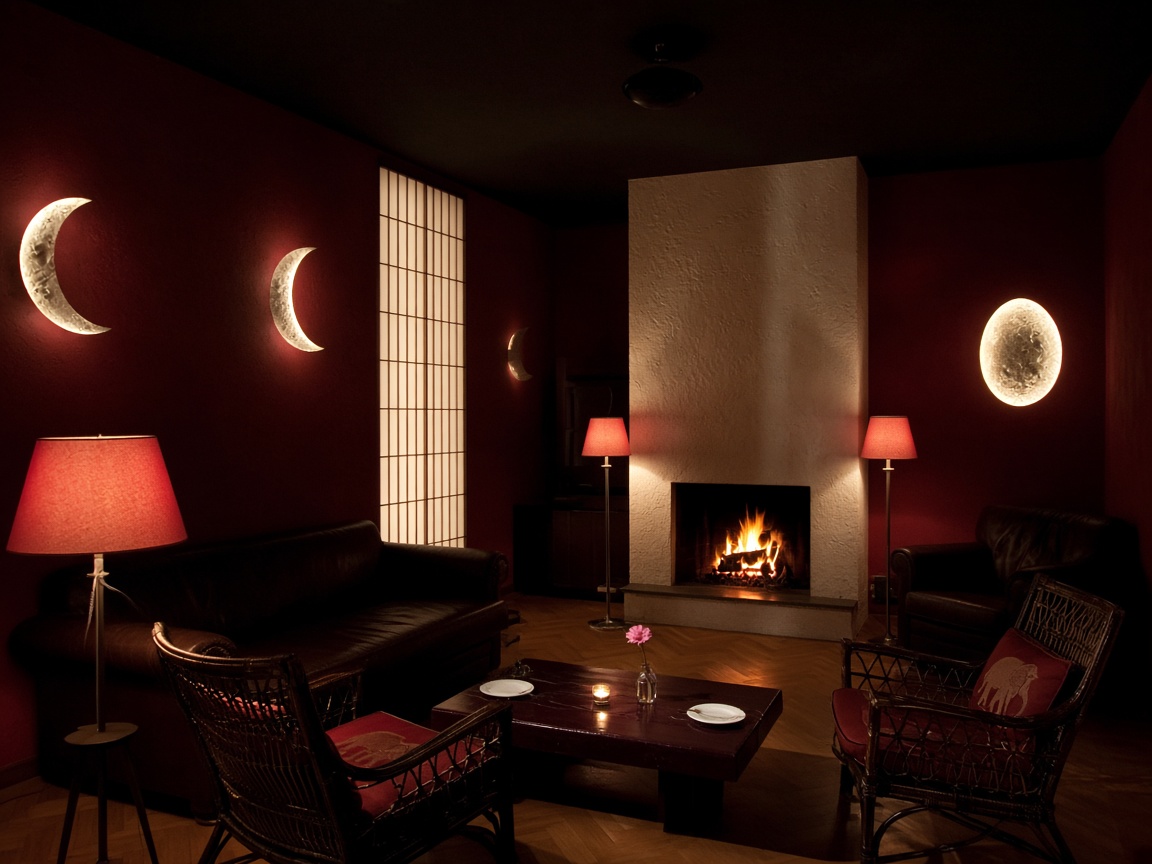
17
A hotel and spa resort in the Bavarian Alps, about an hour out of Munich, has its main spaces lit with pieces from “Vesper”, “Aurea” and “Filament”. Timber and stone at that altitude ask for a low, warm light, and that is what the rooms are given.
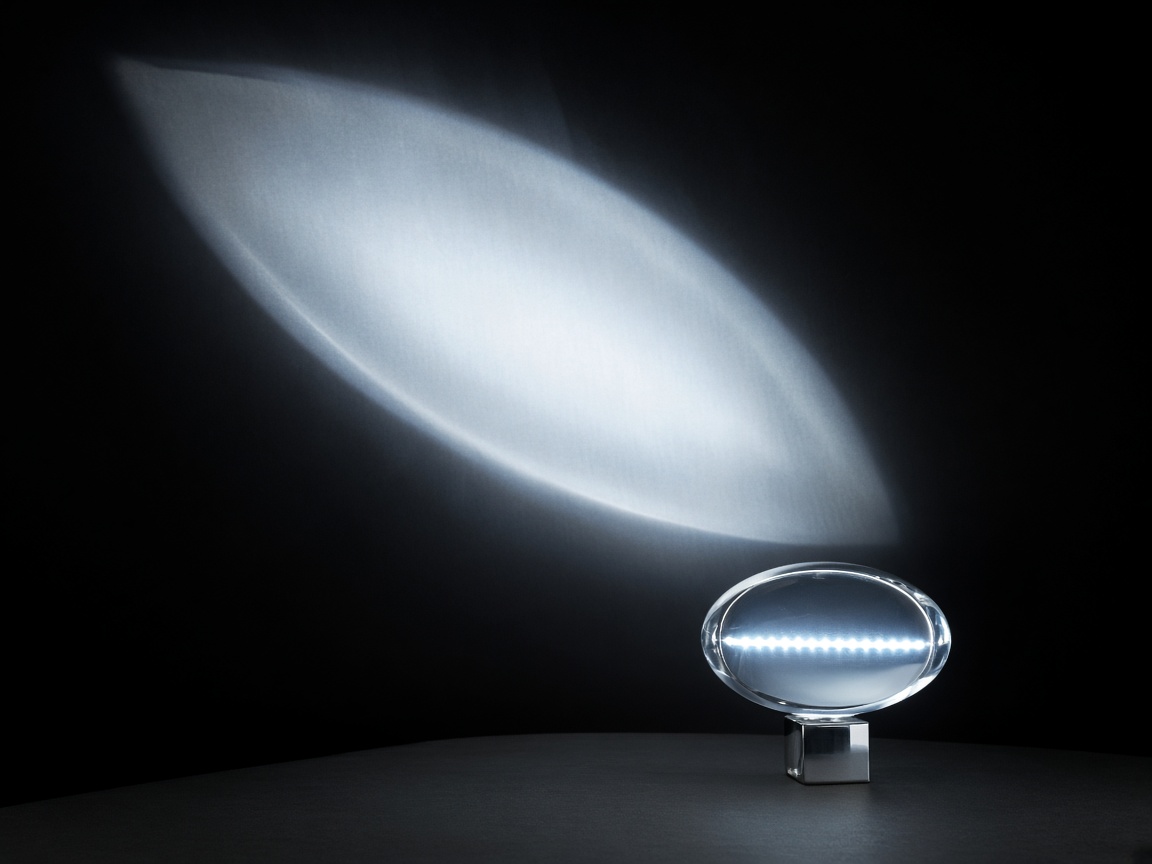
17
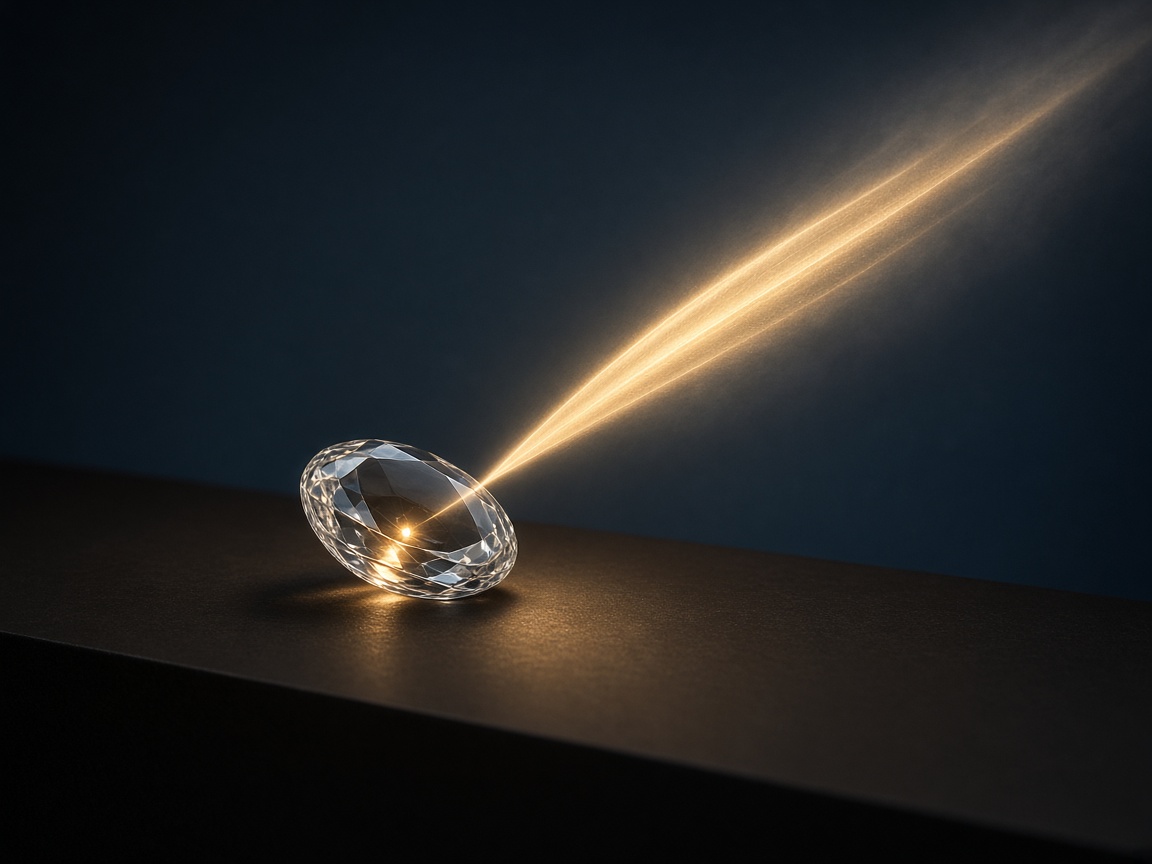
Our house of light is lit, for the design week, by “Core”: an oval of pure crystal with a magical presence and one single LED hidden in its steel base. The piece comes out of a long trip through India, and out of a grey, difficult stretch of our founder's life in which one image kept returning, a light that seemed to come from nothing and would not leave him alone. For years he tried to give that light a body, something a person could stand in front of. “Core” is the result, and with it a decision to travel backwards, towards the first instinct to make things, for the pleasure of making them.
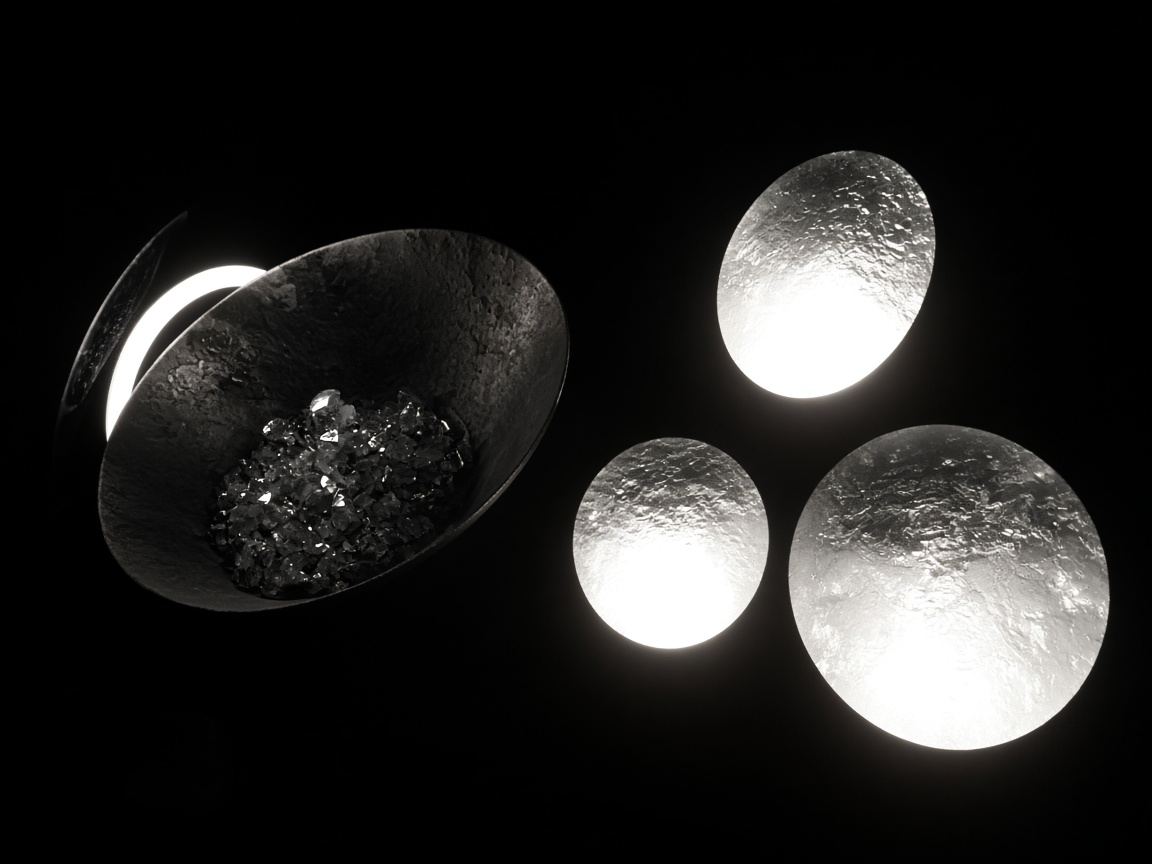
17
A garden and interiors show in Lausanne makes our founder its guest of honour, and the “House of the Magician” opens its doors again. The title points at what the room does: several scenic lamps, “Longwater” among them and the beguiling “Wellspring”, are set so that the space goes on changing while you walk through it.
18
“Ember” is where LED light starts to feel like ours. The invention behind it lets us build a piece with real poetic value that still gives off the same light as the old bulbs, which keeps the refraction idea at the centre of our recent work in use. Then there is the practical side: an LED asks for no maintenance and no replacement, and when it is produced to a proper professional standard it lasts very nearly for ever.
18
A national design foundation puts “Core” into its annual design index.
18
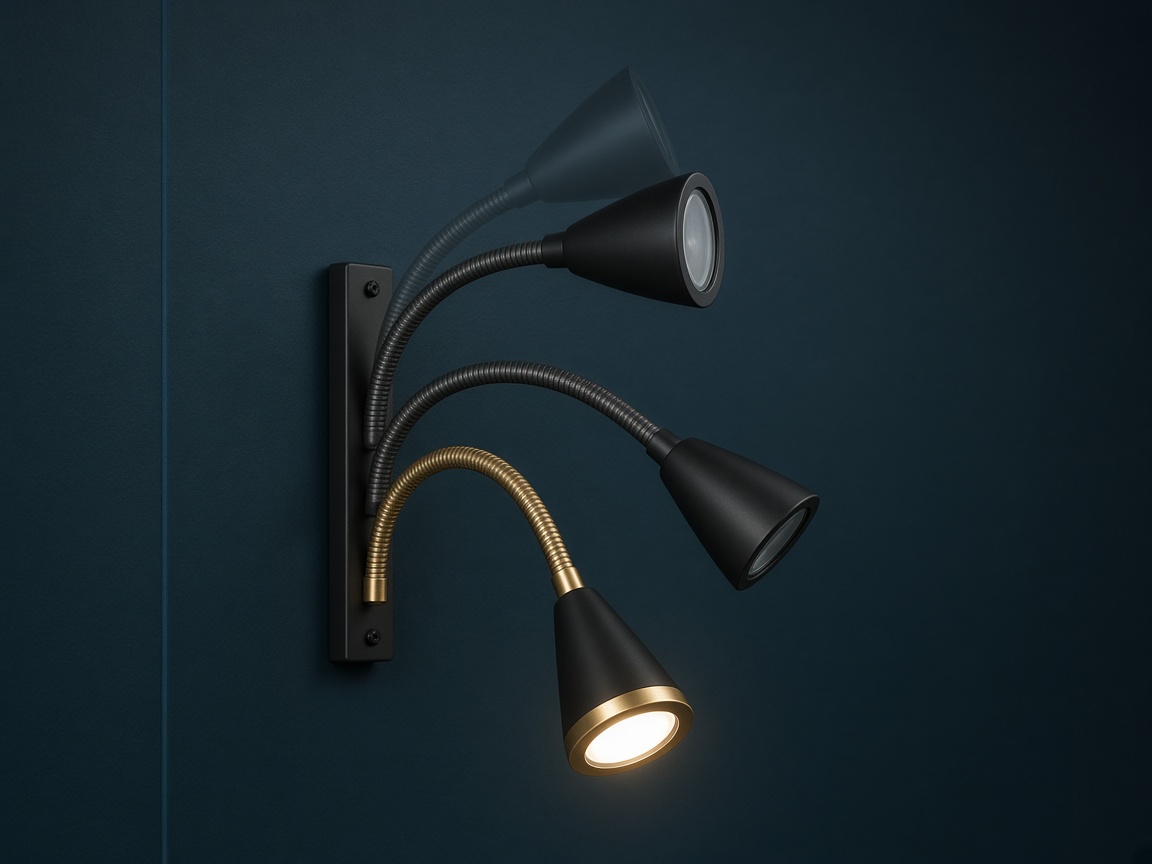
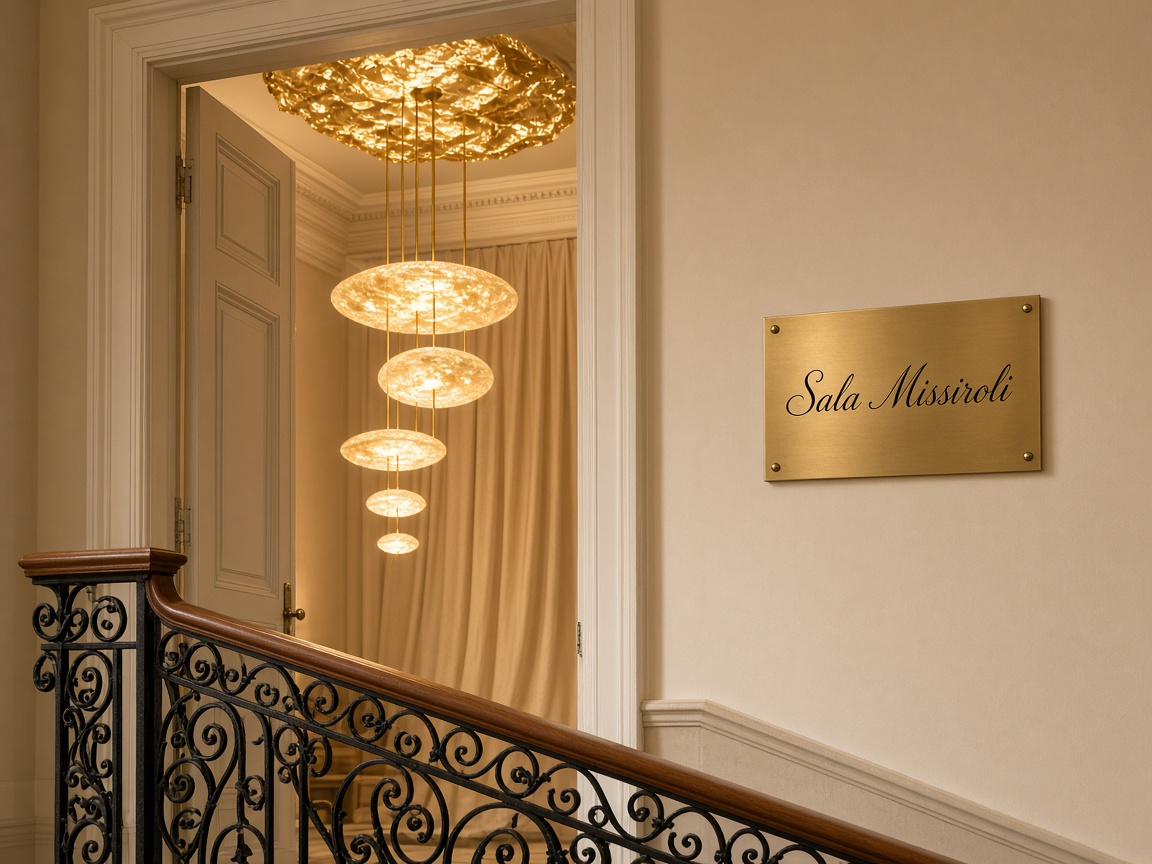
A town house of the nineteenth century in Vienna opens again after a restoration that took most of ten years. Inside, this real wonder of central European historicism is lit with pieces made for the building. The noble floor, once a single family's whole world, is given an “Armature”, a suspension with something of sculpture in it, which hangs in the double-height salon and picks up the gold running through the room: gilded mouldings, an ochre ceiling, brass left to age. The “Corolla” wall lamps behave in the opposite way, seeming to catch the light and then shape its shadows, transparency playing against contrast across the plaster. A selection of “Wand” wall lamps completes the work in the house; the model belongs to our very first years and is now covered in gold-coloured leaf, which makes it the plainest statement of what LuminaCraft means.
19
The workshop's anniversary: no work today, only a party. 🙂
19
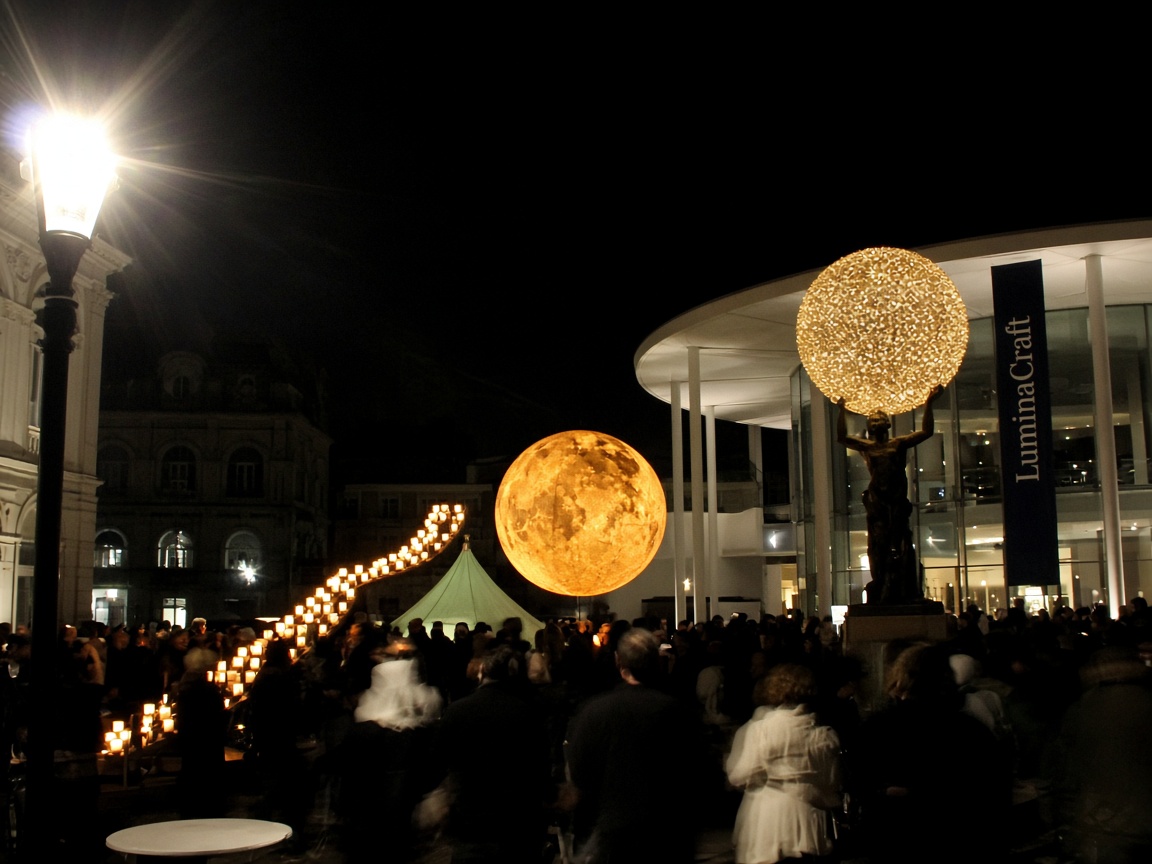
Shanghai, in a gallery of modern and contemporary art: the giant “Vesper” goes up, with “Longwater” beside it in the upper hall.
19
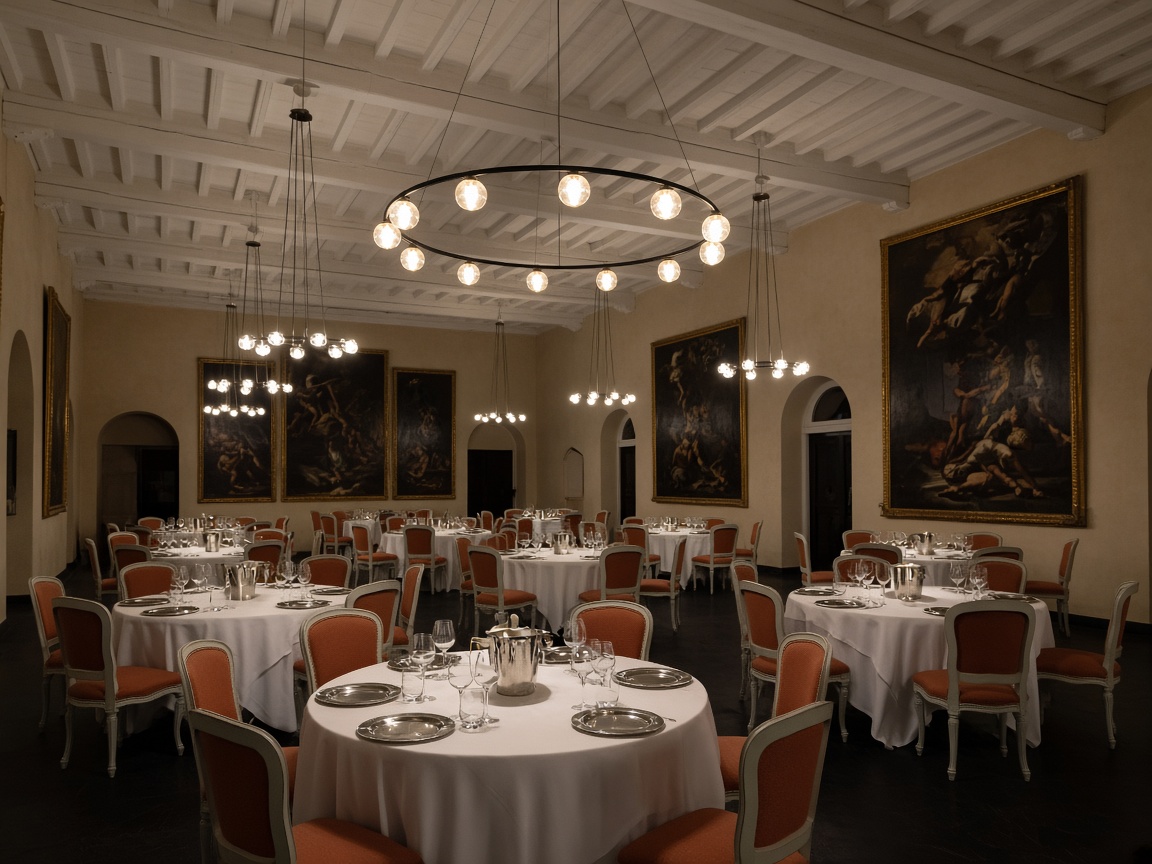
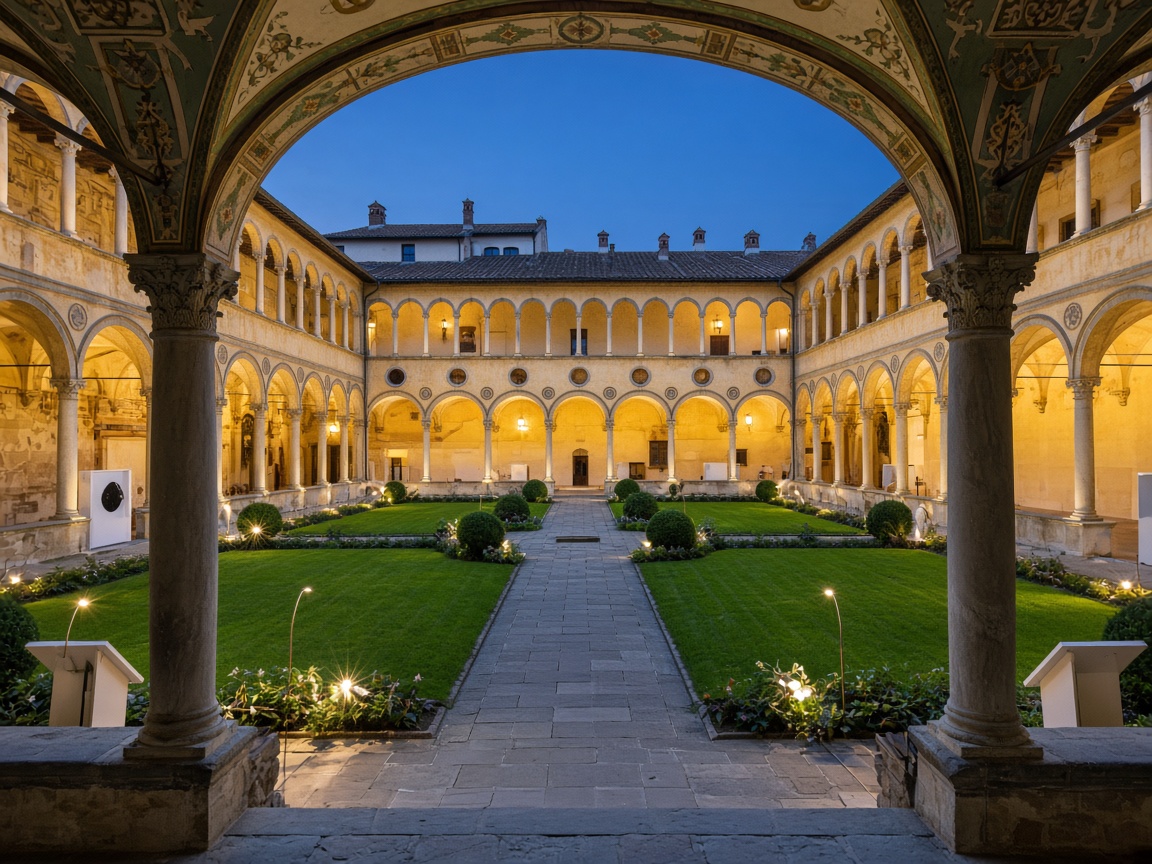
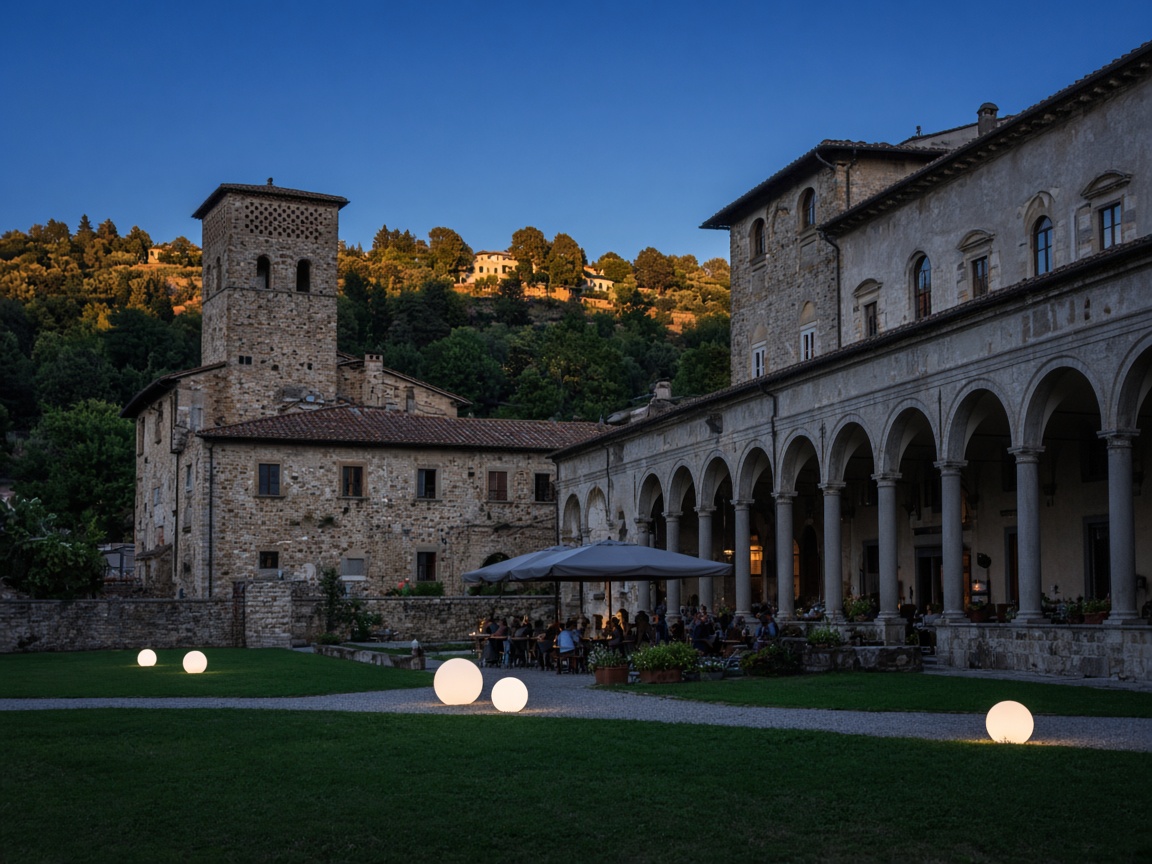
A former convent in the north of Italy is one of the buildings of its kind that has survived in the best condition. It occupies the site of a Roman settlement, and fragments of that settlement are still in the ground below the cloister. Bringing current technology into a building with this much history meant choosing LED sources exclusively, and choosing equipment drawn in linear, essential lines. What those fittings give is a luminosity at once subdued and efficient, and it brings out the historical and architectural character of the place instead of arguing with it, so that nobody using the building is troubled by a lamp that is too bright. What remains is an atmosphere with something magical in it, and it reaches people.
19
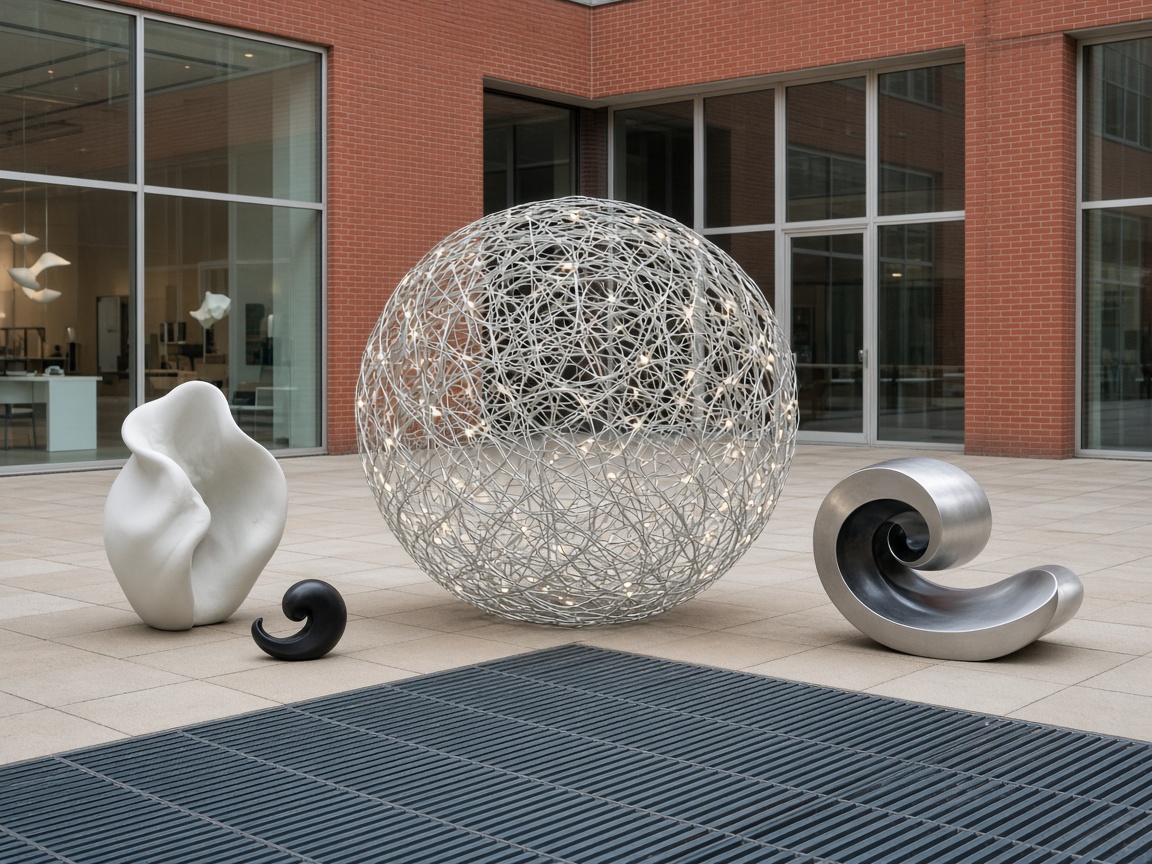
A design museum in Milan, in an exhibition about series and one-off pieces: a huge skein of aluminium wire, carrying hundreds of separate points of light. A lamp with something cosmic about it, and one way of picturing how the universe is put together.
19
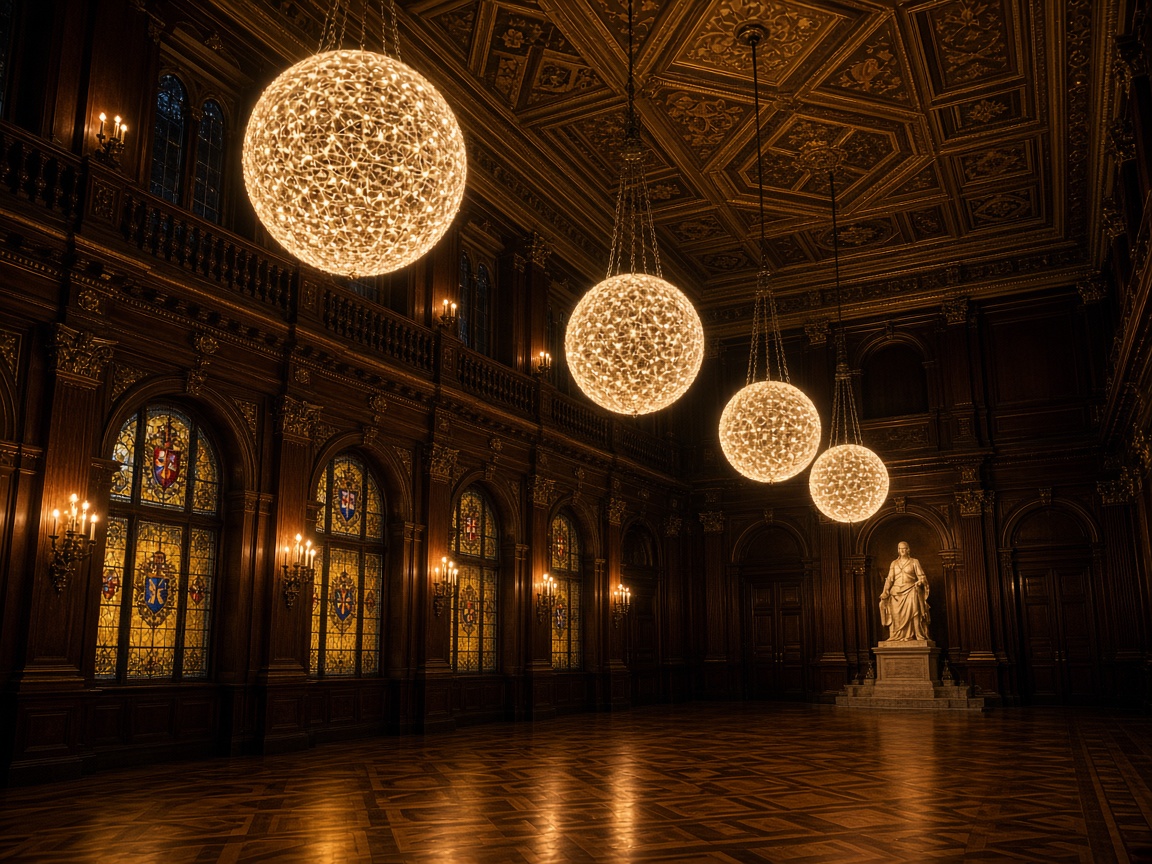
Four custom-made “Filament” lights, 200 cm across, replace the original fittings in the exchange hall, a job we are brought in on. That hall used to be the working heart of the stock exchange, where goods of every kind changed hands; these days it is let out for conferences and events.
20
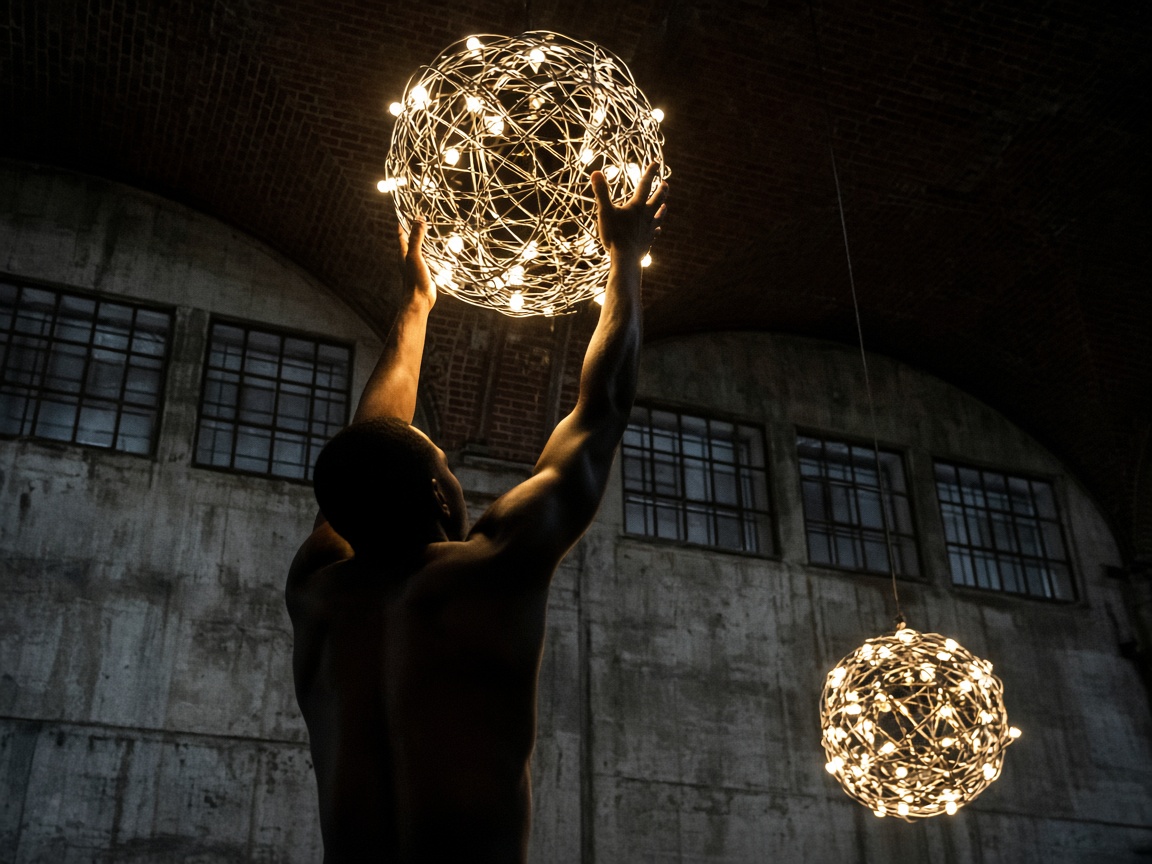
“Filament”, probably our best known lamp anywhere in the world, is picked as an example of excellence in hand-made lighting for an international design exhibition in Shanghai. It stays there for good, in the museum still going up on the site.
20
Lisbon, at an art biennial: one installation, in a small gallery.
21
An evening in St Petersburg has our founder as guest of honour, presenting the “Ember” collection. The room holds a good number of journalists, people from the most important magazines specialising in design and furniture, and reporters from several television channels.
21
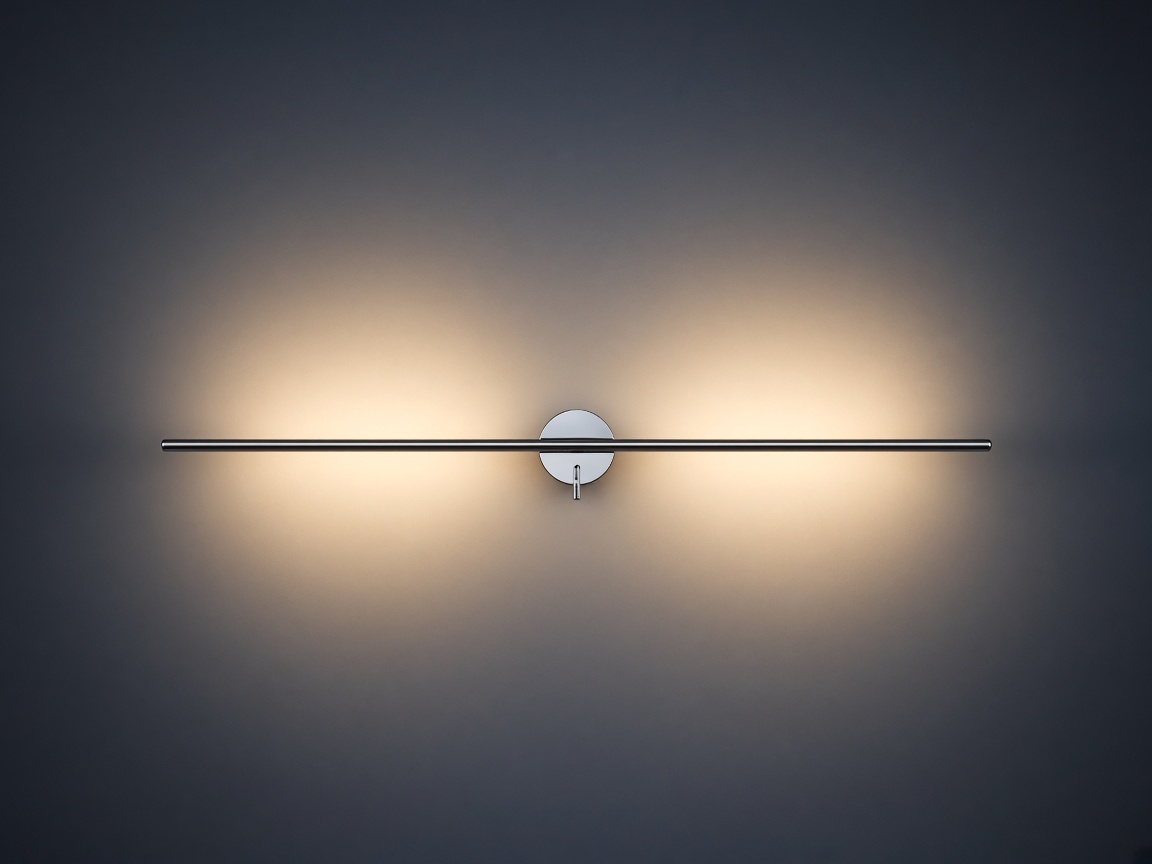
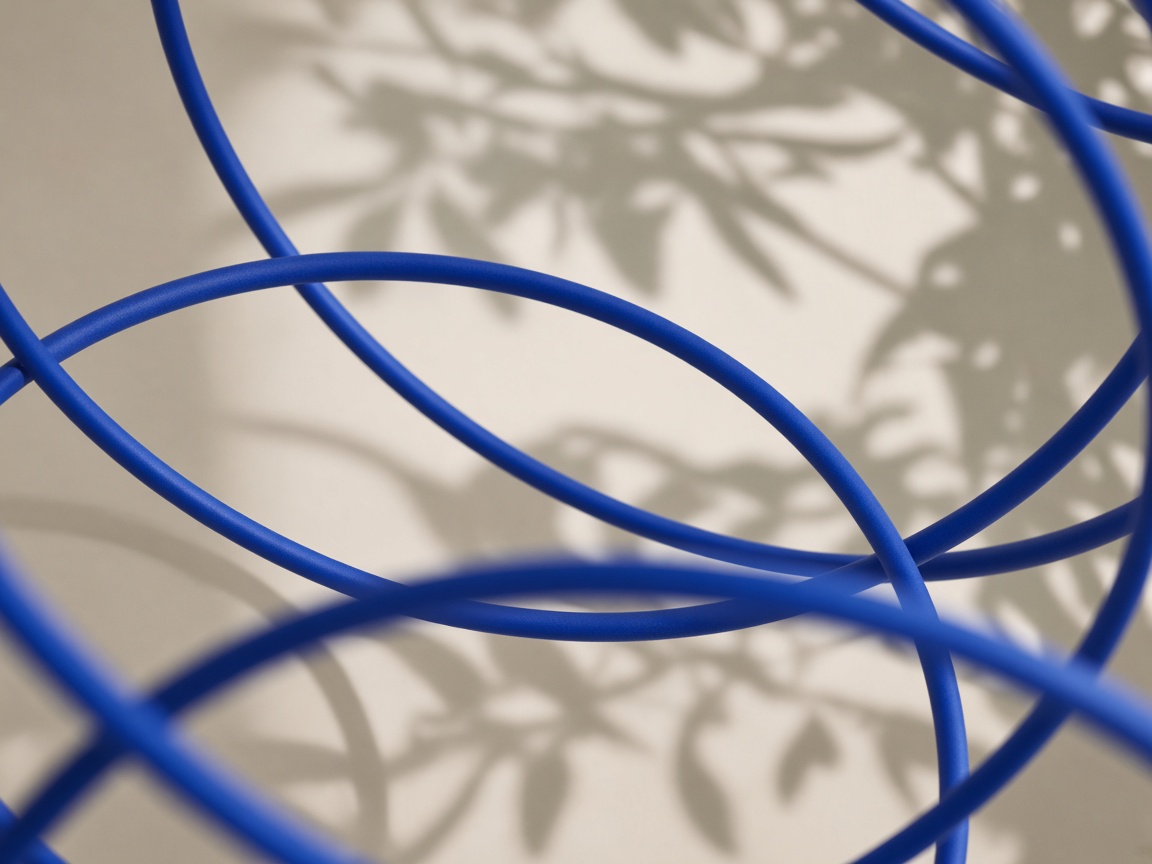
“Spire”, our thin linear light, comes out in three lengths and two finishes.
21
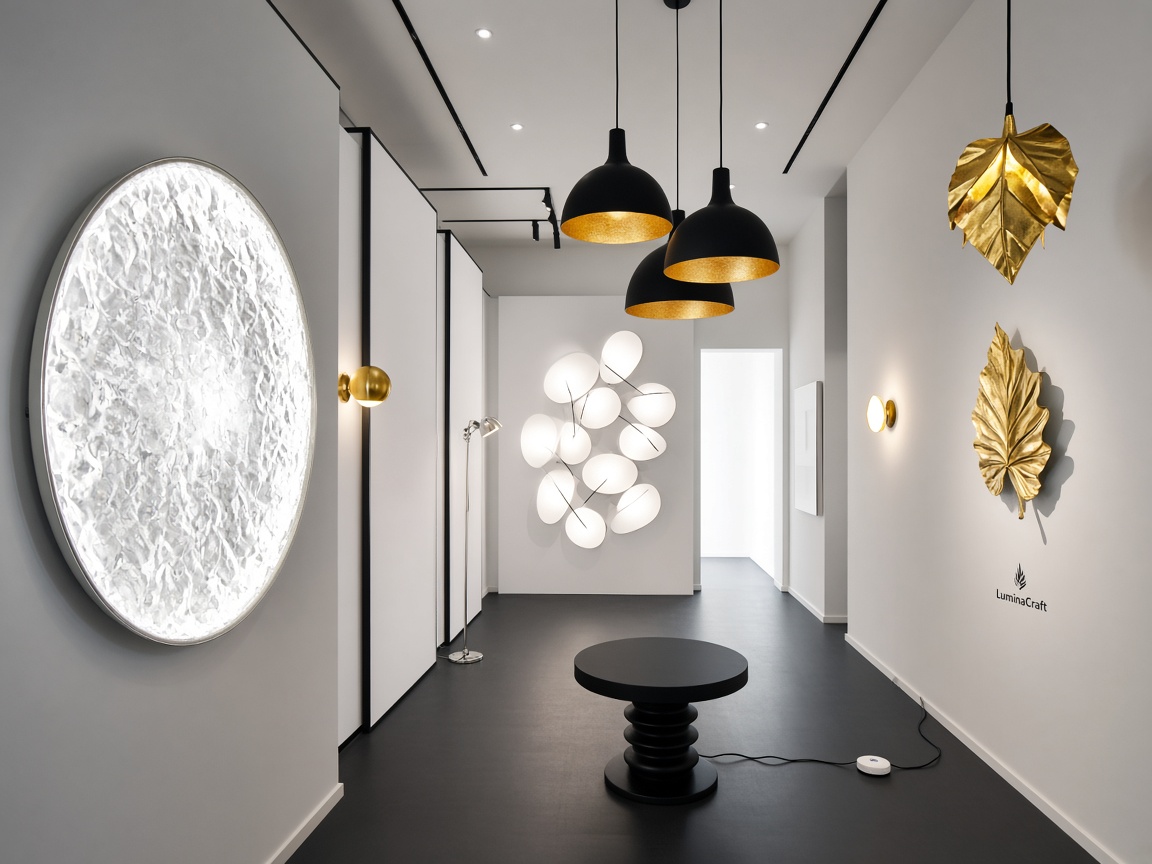
Singapore stages an evening given over to our work. Inside an old theatre in the middle of the city our founder goes back through every collection made so far, and finishes with “Sketch”, which has only just been created and has already been written about a good deal.
21
Events in Taipei and in Hong Kong follow, with our founder again the guest of honour. His lights keep being asked for in the scenography of films and of picture shows, they are bought by plenty of people in the entertainment world at home and abroad, and they appear in the most prestigious international magazines for interior design.
21
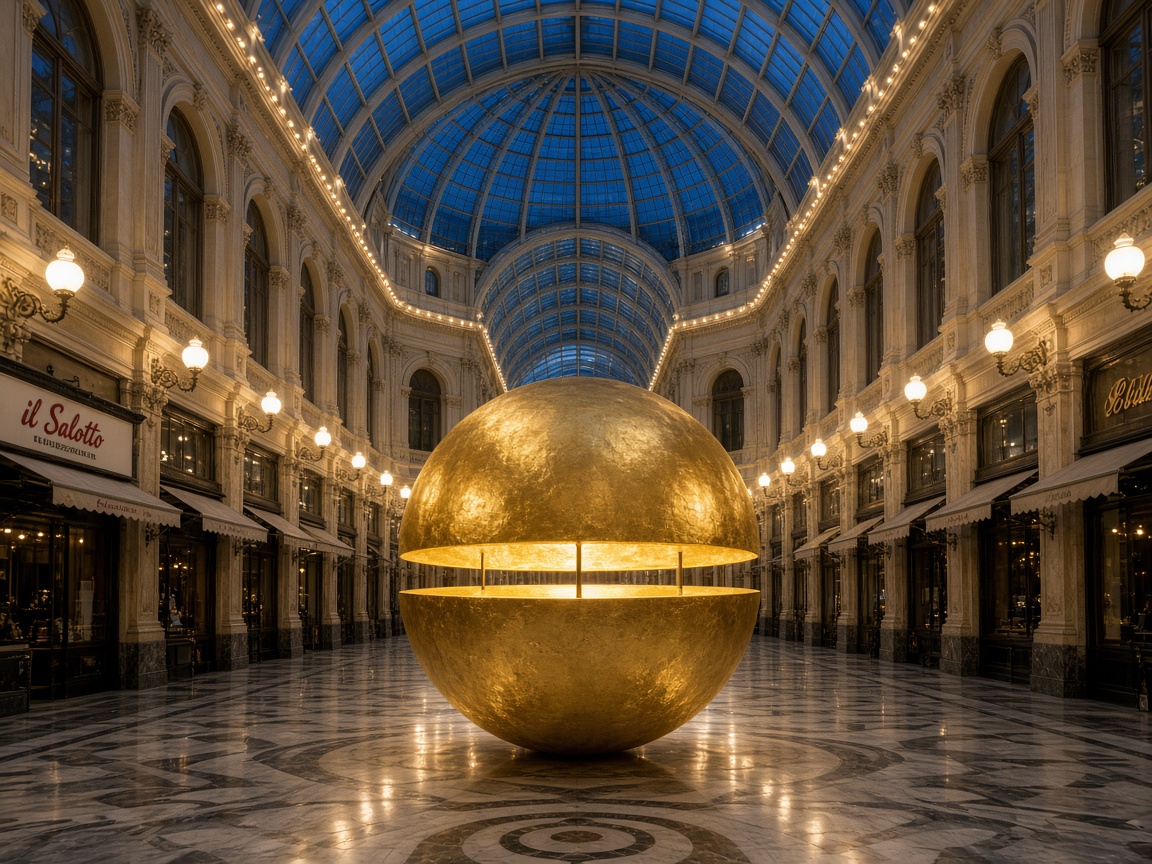
A “Corolla” installation goes into a nineteenth-century arcade in Milan: one large sphere resting on the pavement, solid and lit at once, leafed all over in gold colour. Ancient value and modern technology in the same object.
22
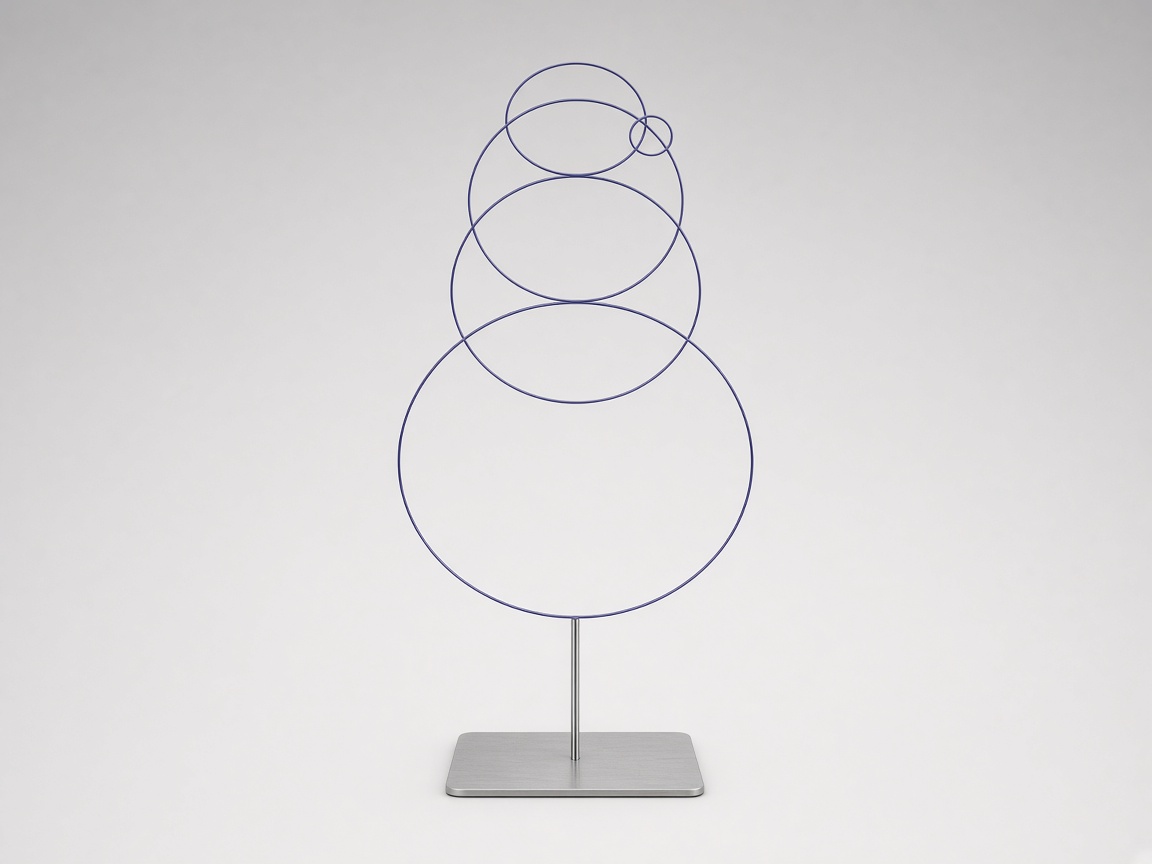
“Sketch” travels to three design fairs inside a single year, and ends up the best selling floor lamp we have made.
23
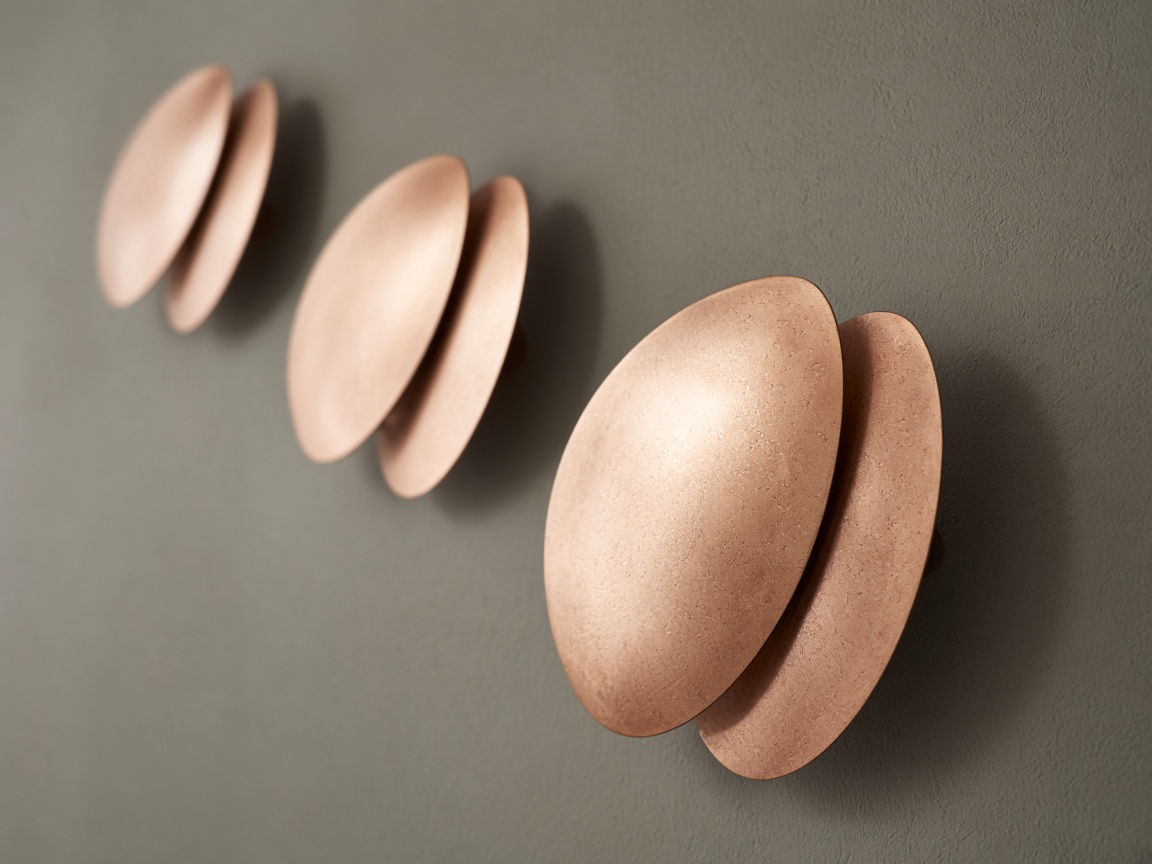
“Patina” is what “Ember” turns into next: the name puts the LED technology together with a new copper-coloured leaf finish. Inside the discs, soft and warm in colour, sits an LED module of the latest generation, running straight off the mains. Several combinations of colour are offered.
23
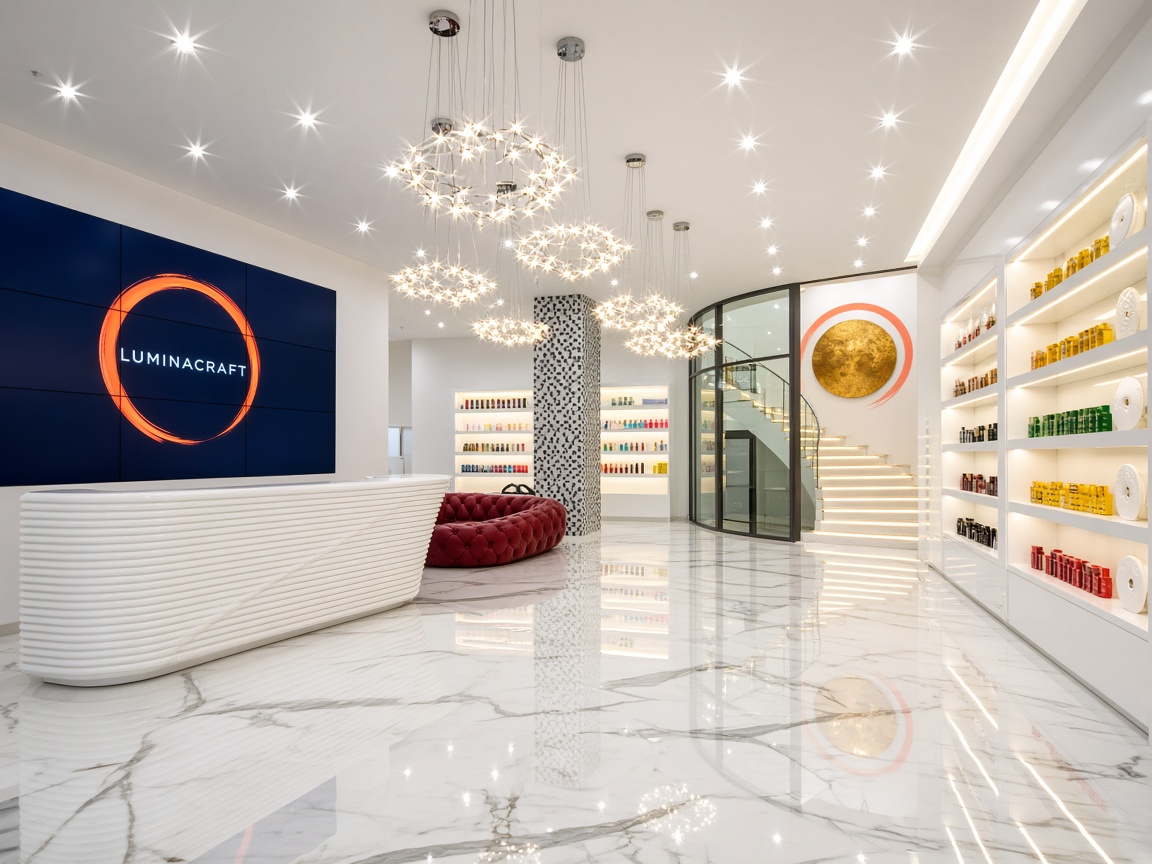
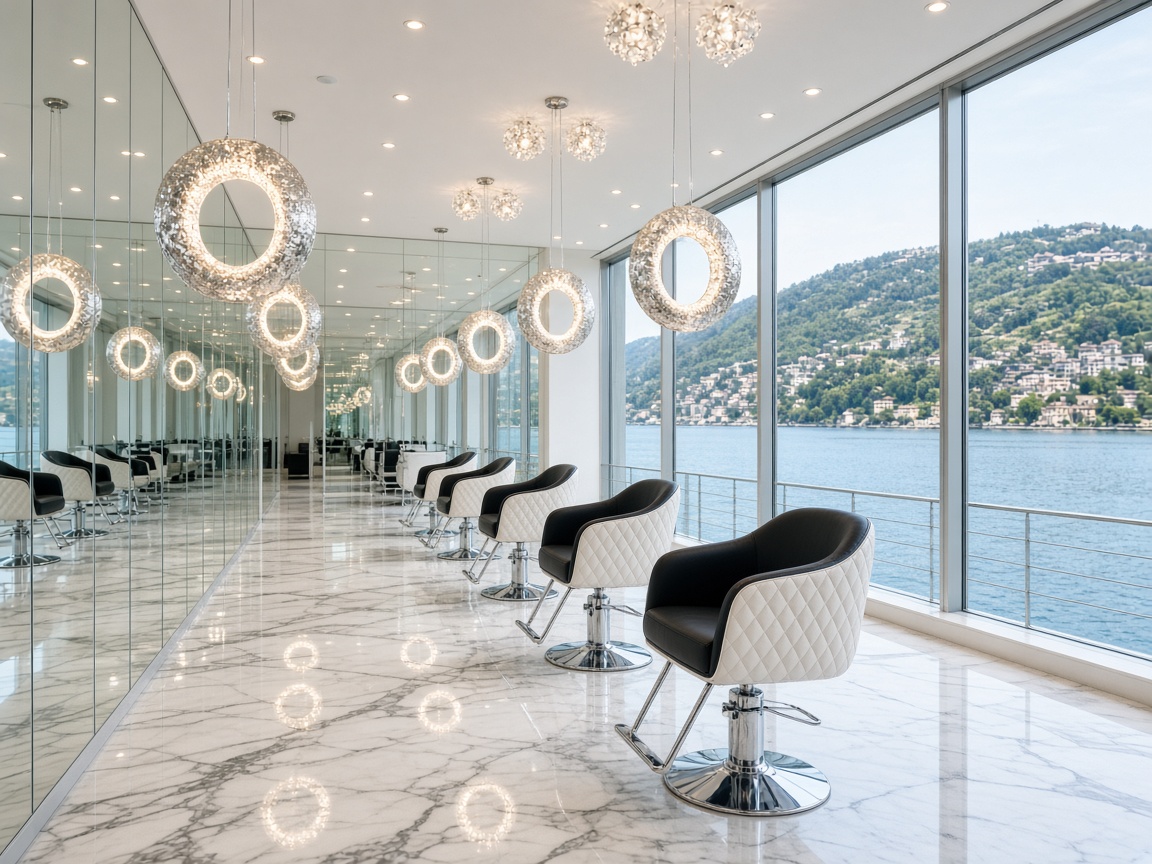
Working with an architect, we light a new beauty atelier on one of the busiest shopping streets in Milan, a room of pale surfaces where the light has to be exact.
23
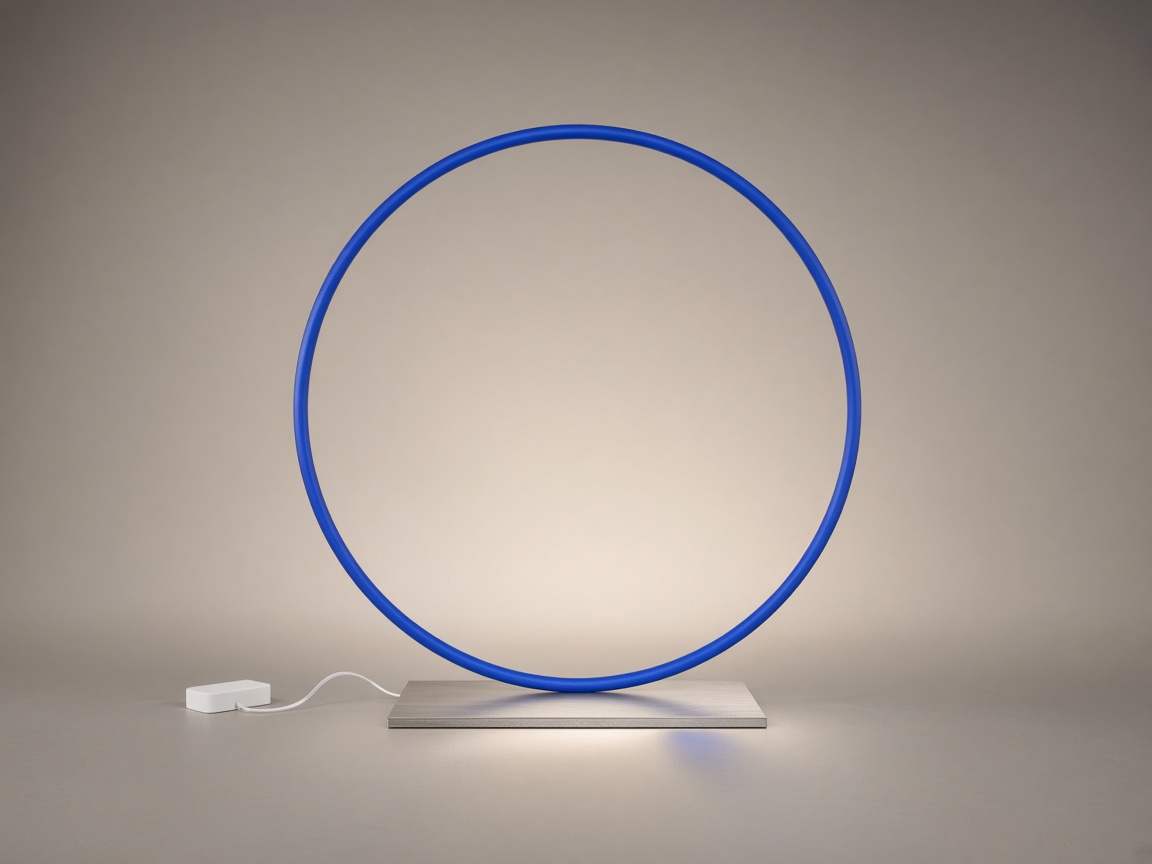
Geneva: “Sketch” stands in the foyer of the prestigious headquarters of an international organisation while its member states meet, as part of an exhibition of objects chosen to stand for the best of national design.
24
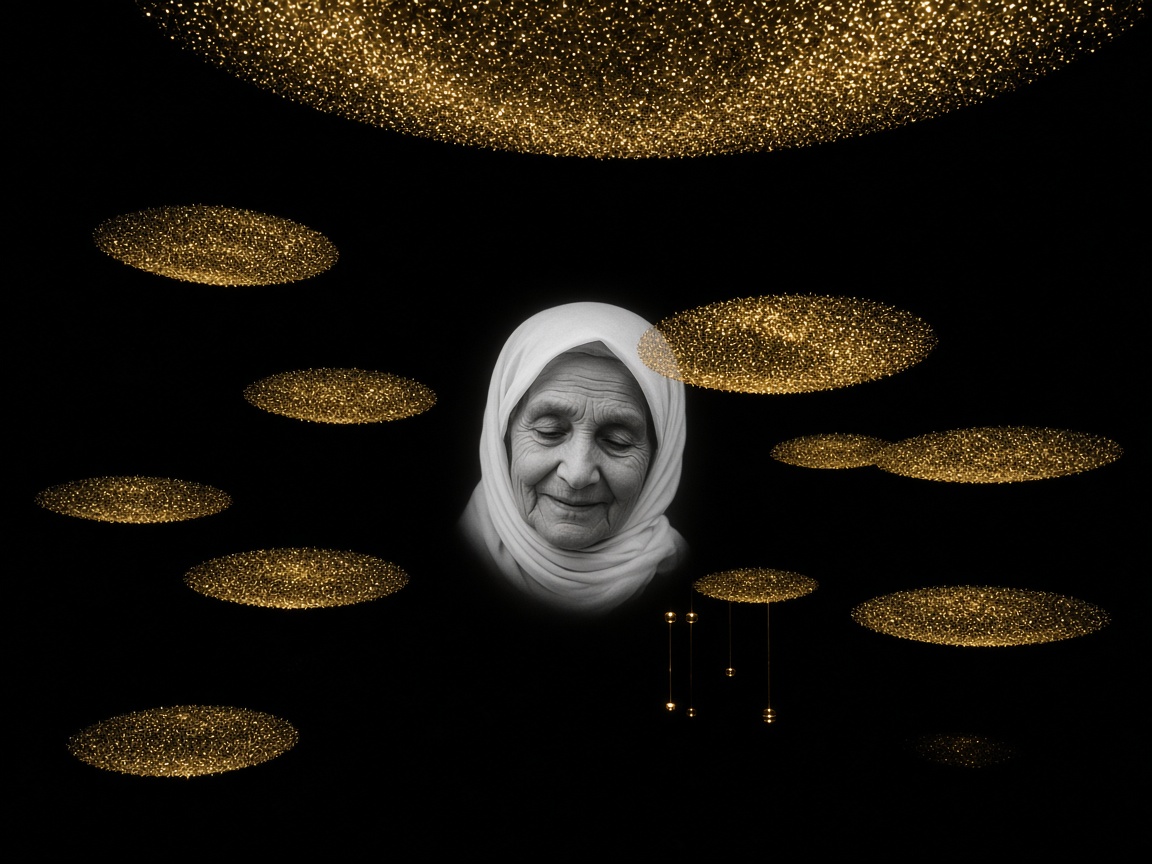
With the world fair running in the city, our founder joins a large group installation in a former steamworks in Milan, his own site-specific piece set in dialogue with the work of a well known artist on the same subject.
24
“Lamplighter” and “Filament” are chosen as the symbols of a route of light through the old quarters of Beijing, a project the district's trade association promotes to show what the area is capable of, in craftsmanship, in industry and in culture.
24
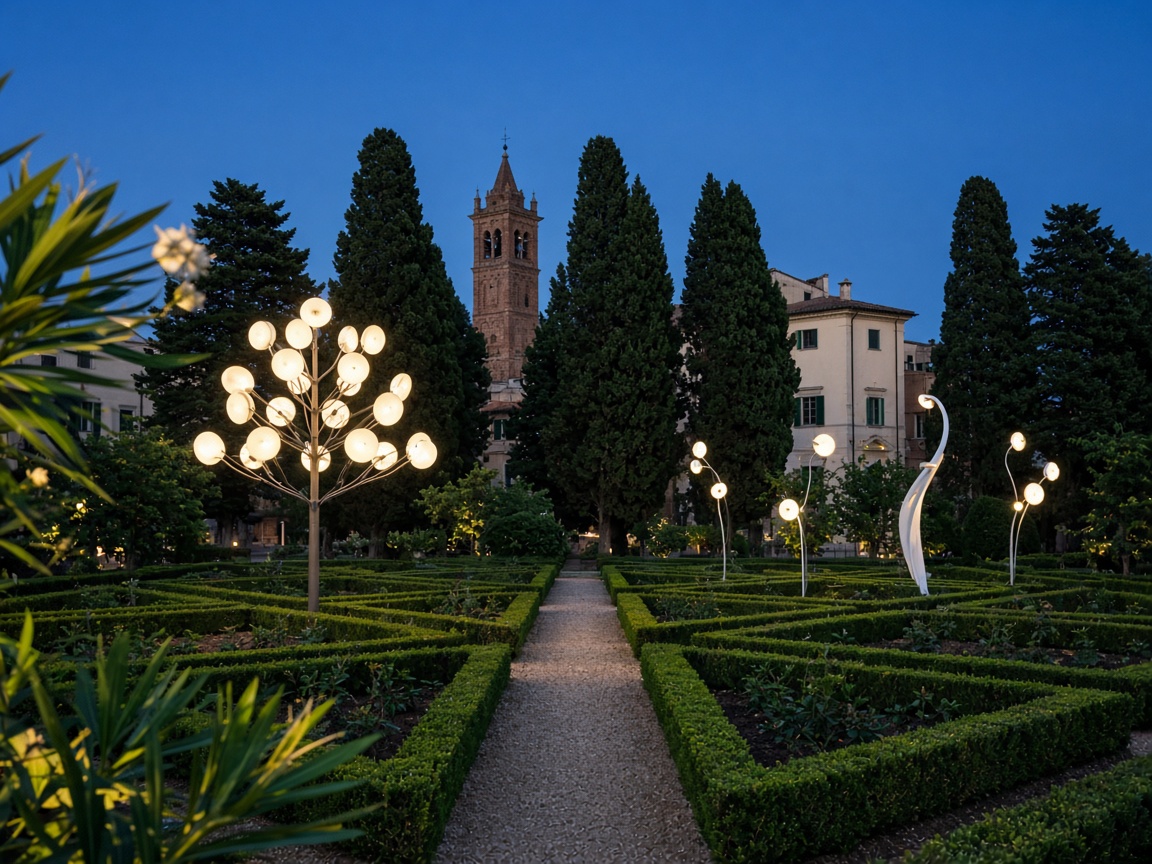
A large event given over to landscape architecture takes us in, the theme that year being how the landscape is fed. We use it to show prototypes of the outdoor collection that is coming, out under the trees at dusk, where a piece has to work as well in rain as in still air.
25
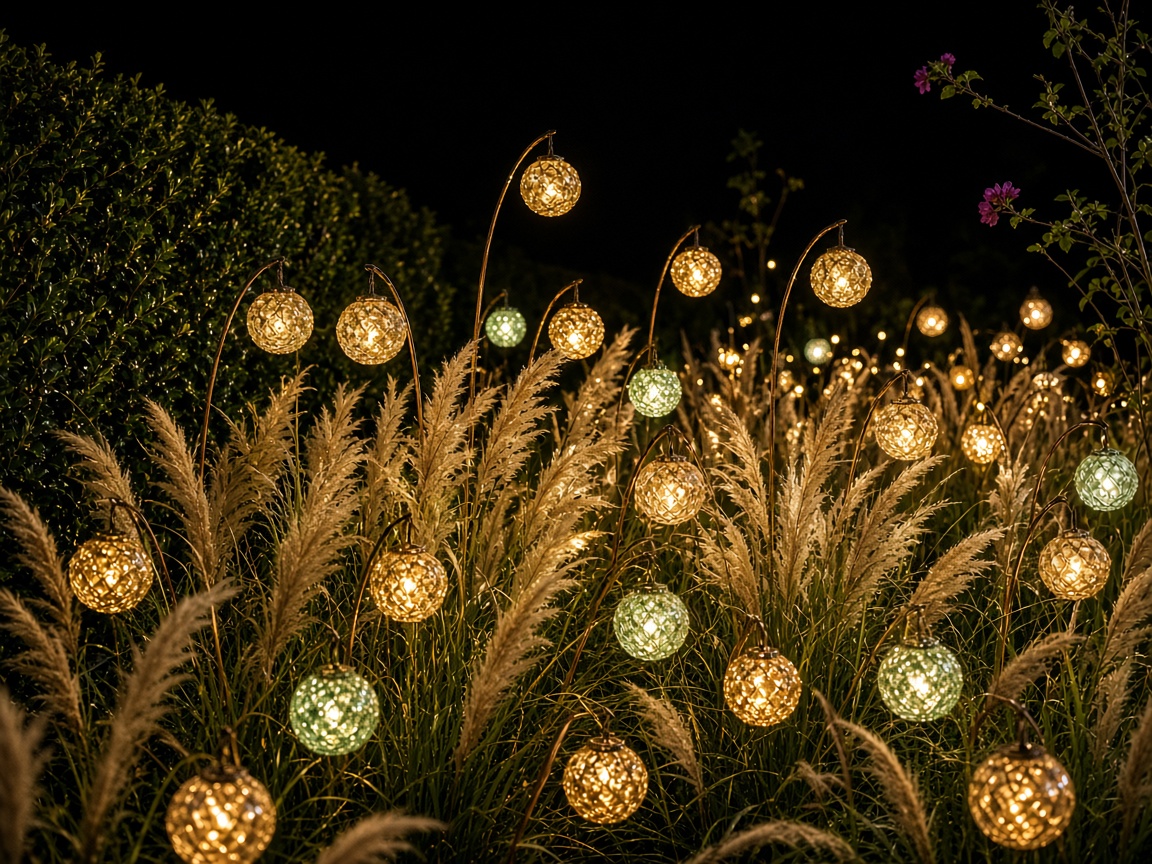
The outdoor collection comes back with more models in it, and is shown to the public at the next edition of the same landscape event, given that year to wild ground.
25
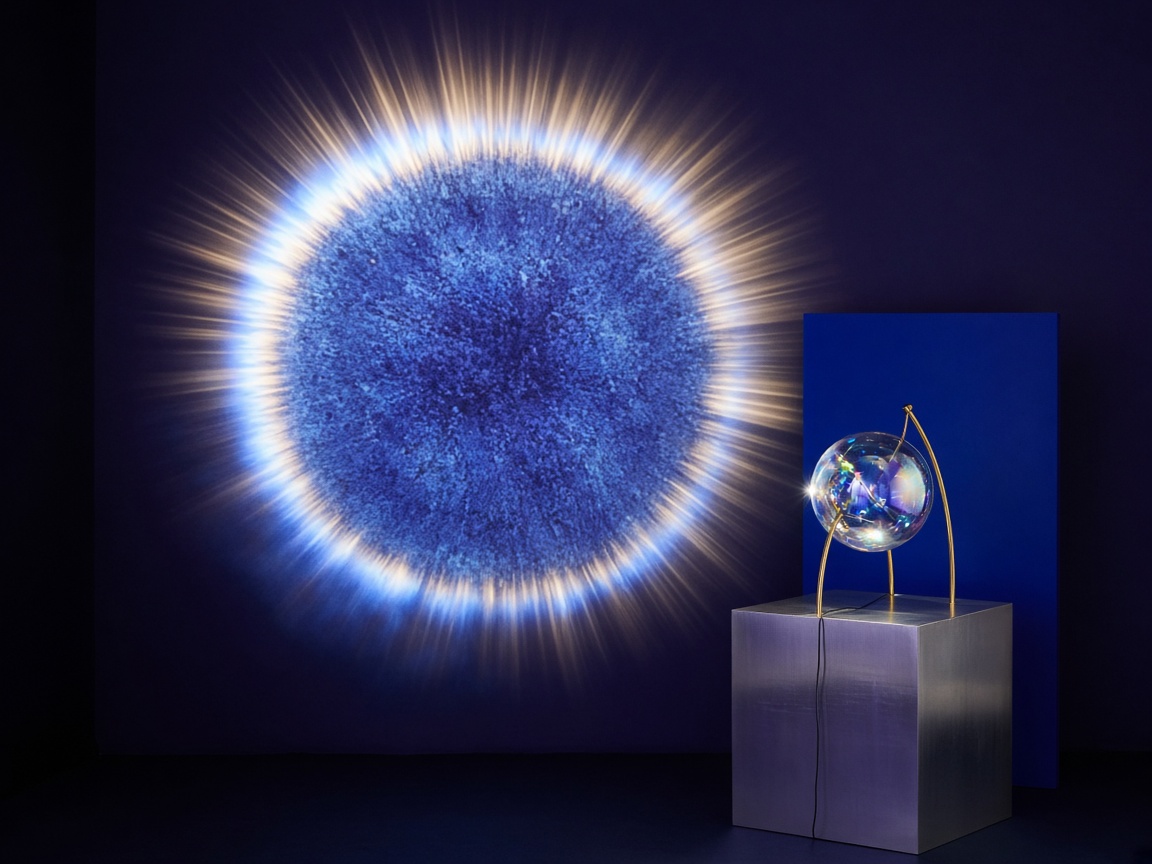
Our house of light holds “Mirage” during the Milan design week. The effects in it are intriguing, and they are got through craftsmanship of a particularly refined, near faultless kind, which is what keeps the old art of glass working current. The piece exists because a master glassblower, forty years at the furnace, agreed to make it with us.
25
An art gallery in Beirut includes “Filament” in “Design Icons”, an anthology built out of the most significant design objects of the last hundred years. The show travels afterwards.
25
“Mirage” goes on: New York, where a large design gallery takes the piece.
25
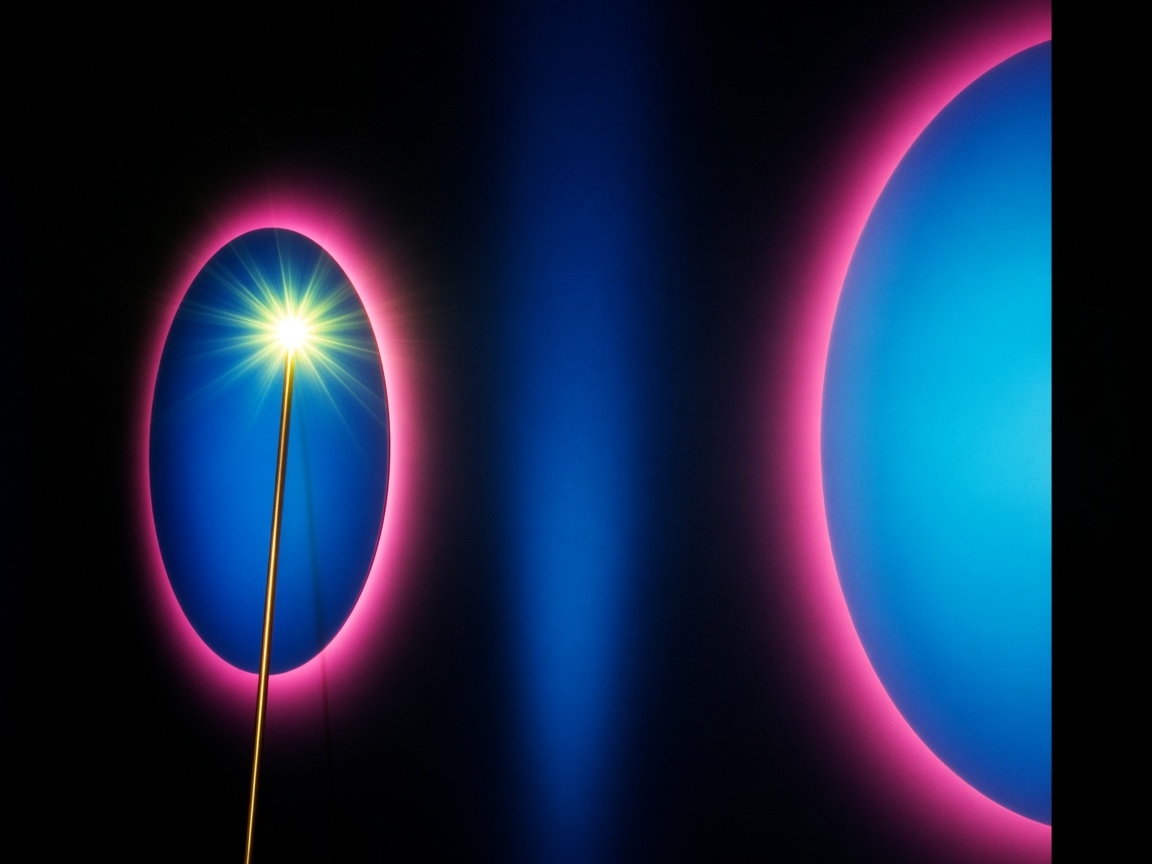
“Day, Light, Night” at a museum of modern art in Istanbul has our founder in it, with an installation called “Shadow”. The work reads the magical shadows sunset makes and stages them in a run of colours, set against how dark the night is.
25
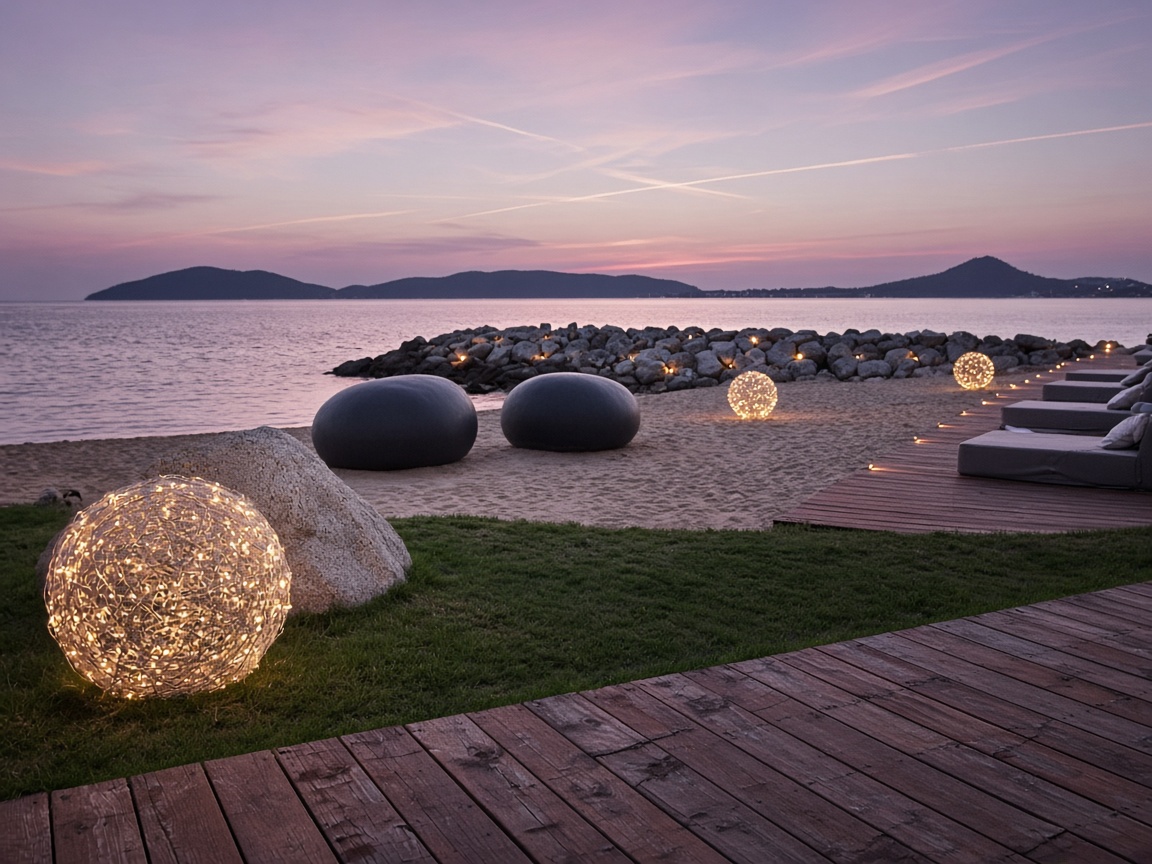
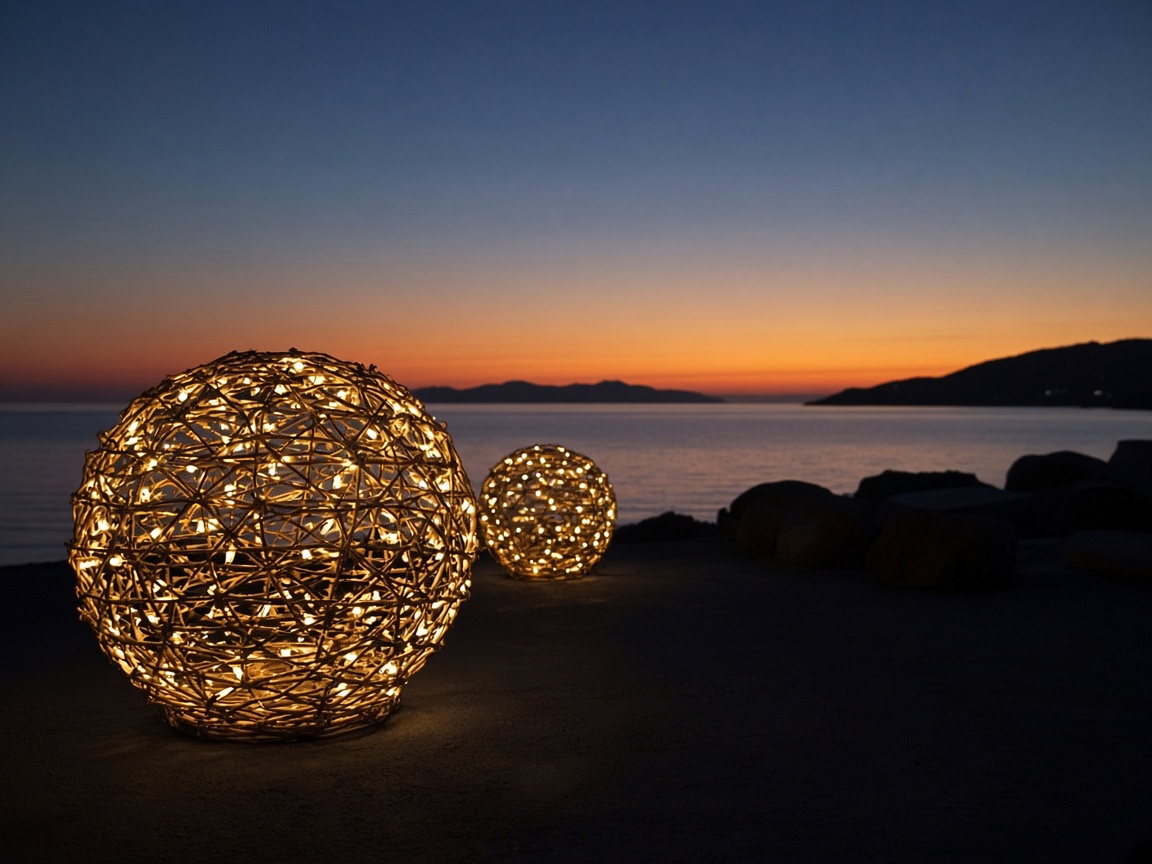
A beach club on the coast of Sardinia turns out to be the right location for the outdoor collection, with rare beauty and stunning ground all around it. Where it sits, that natural position gives people, every single evening, one of those sunsets others travel a long way for.
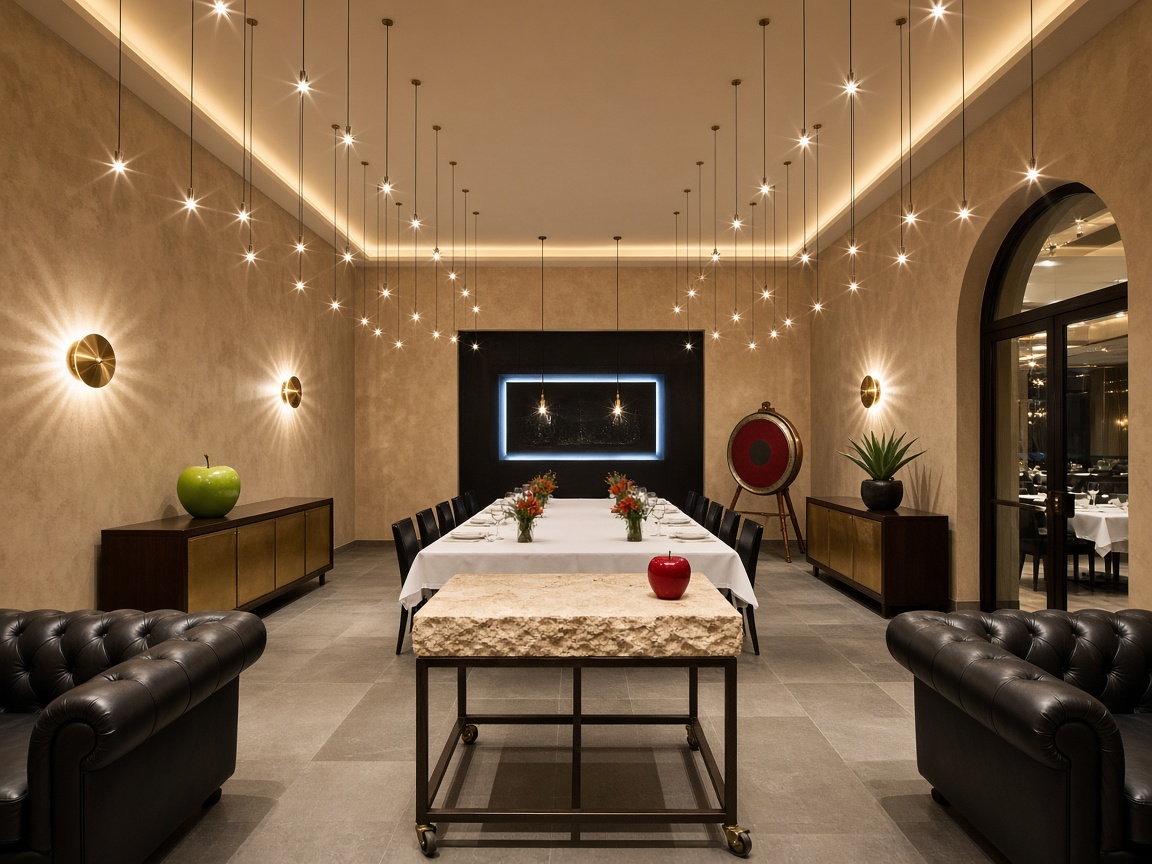
25
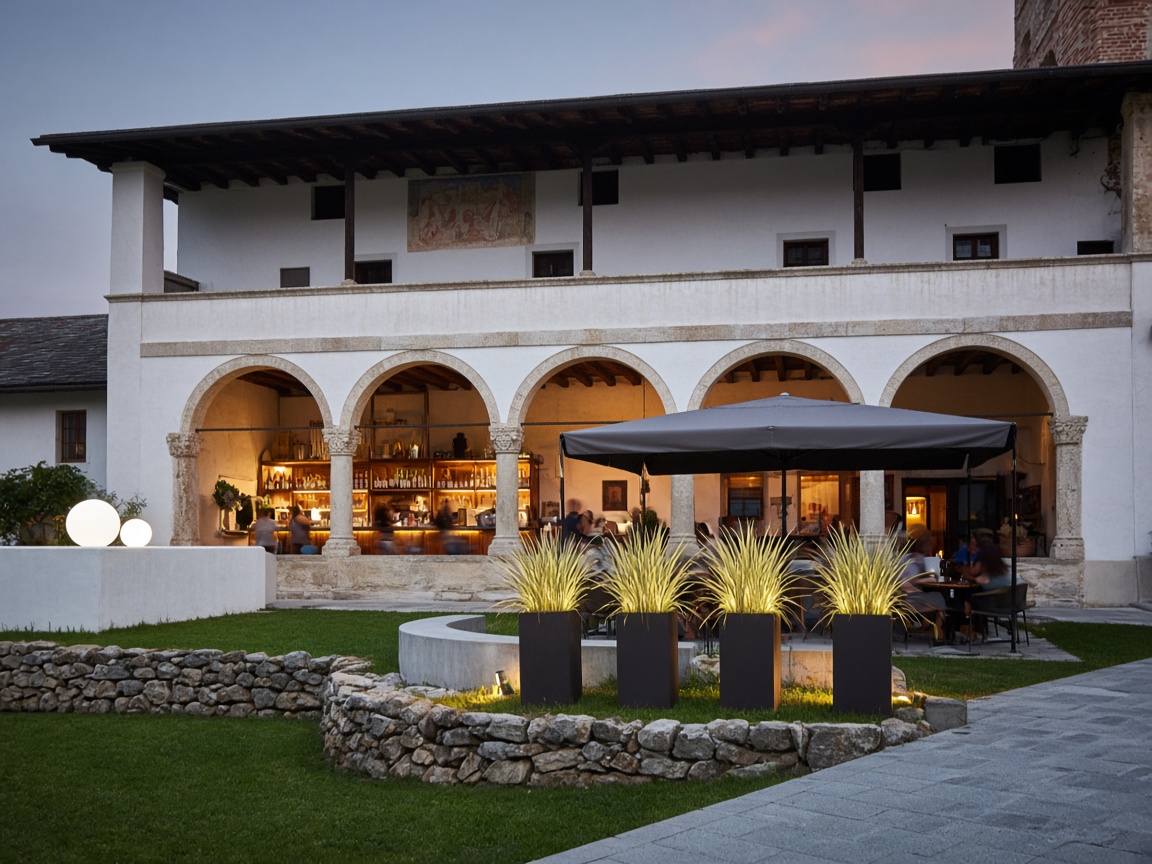
A new restaurant by an internationally renowned Michelin-starred chef is lit with our products. The room lies behind the walls of an old hill town in Piedmont, where the stone streets step down towards a river and the bells mark the hours. Stone, timber and white linen all had to be held at one temperature of light, and the fittings had to disappear into a room that has stood for four hundred years.

25
A museum of cultures in Milan, on a street that fills up during design week, is one of the most significant collaborations of the year for us. Its restaurant, overseen by a chef with several stars, is lit with lamps from the “Spire” collection. What those lights hold is simplicity and sophistication at once, and a harmonious balance between light and shade, which is why they set off the plain, essential wood panelling and the white walls of the room so well. They let each table be lit on its own, too, without spilling into the circulation around it.
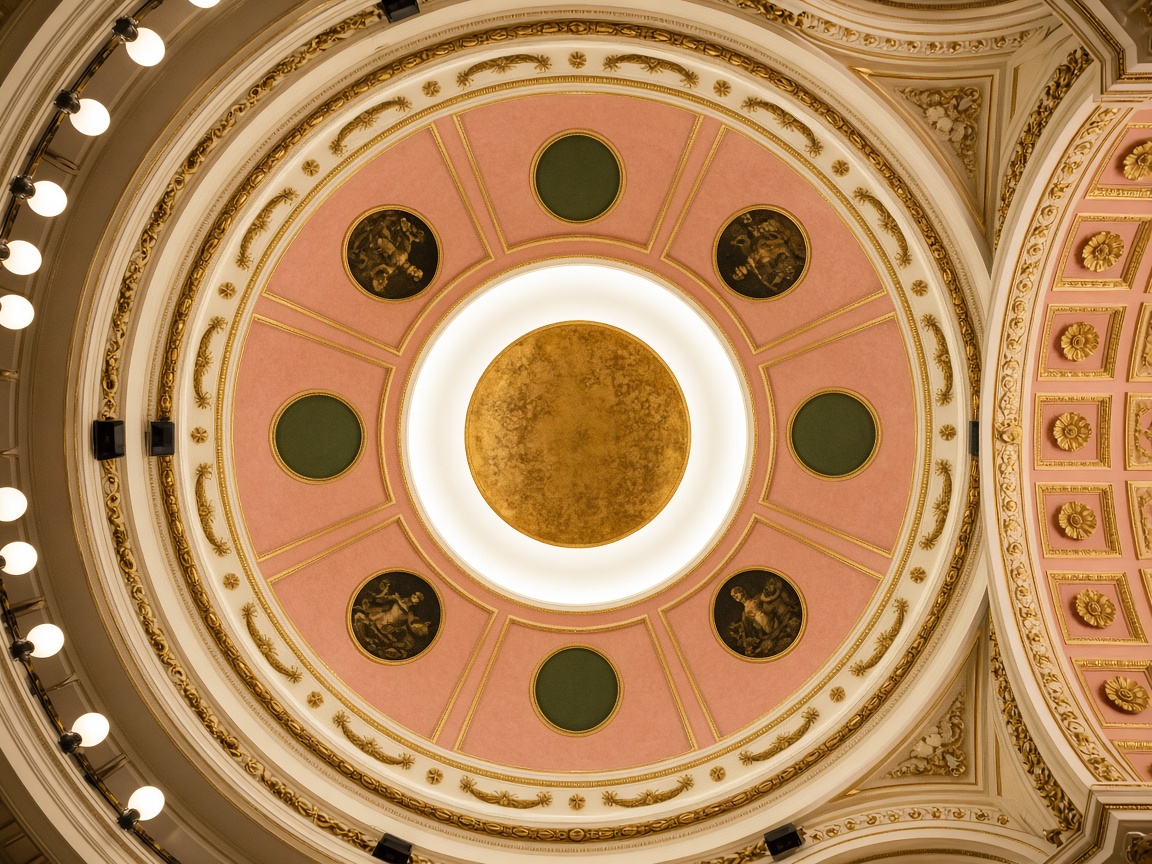
25
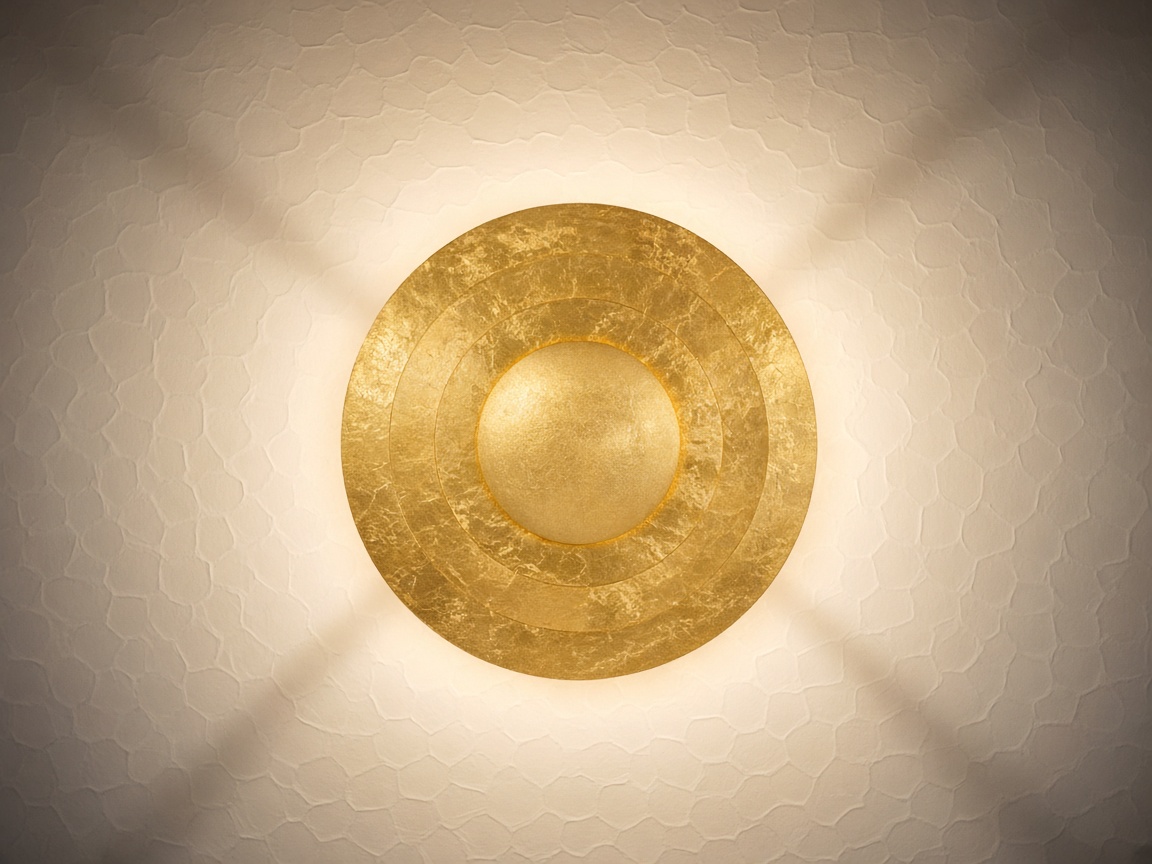
A nineteenth-century theatre on the Ligurian coast reopens after forty years of inactivity, thanks to an ambitious restoration carried out by two studios, and we take part in it. Our contribution is a series of lamps with extraordinary scenic impact, among them the great golden disc that keeps its source out of sight. The lighting design of the whole theatre belongs to another company, and we work under it.
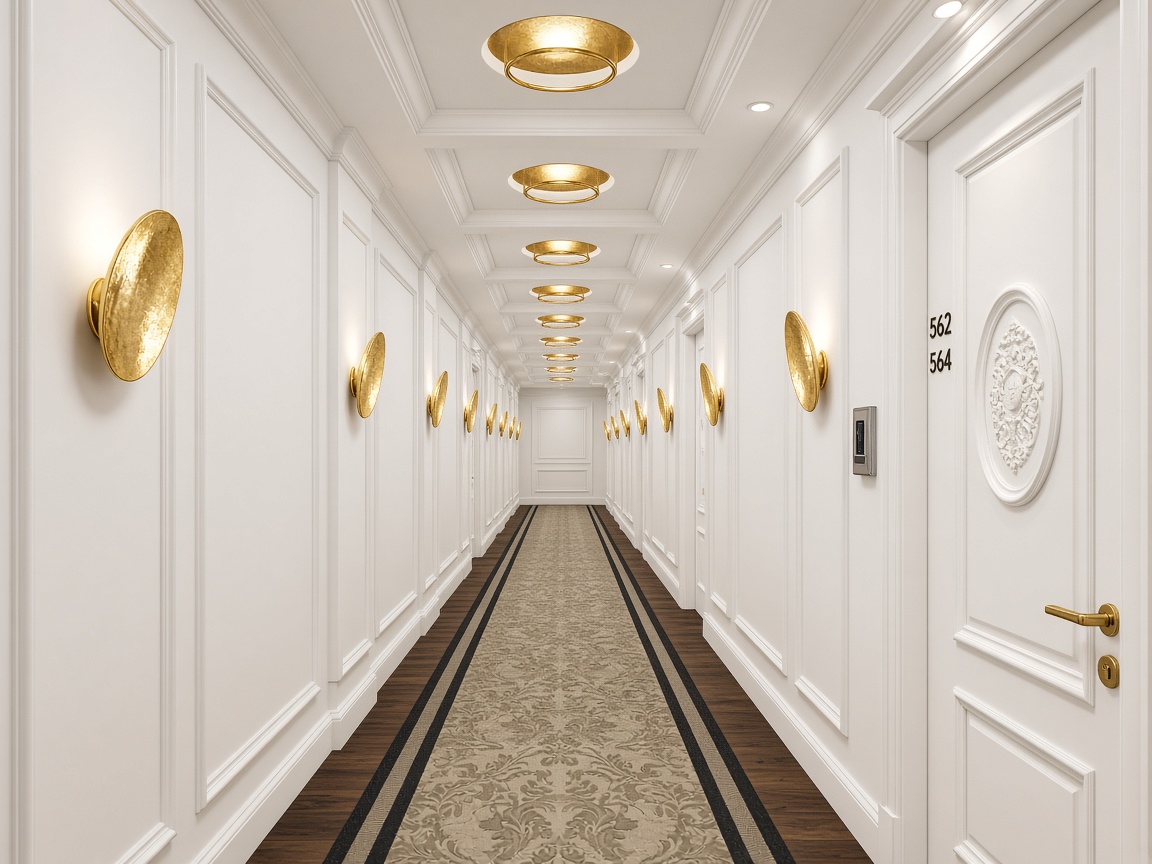
26
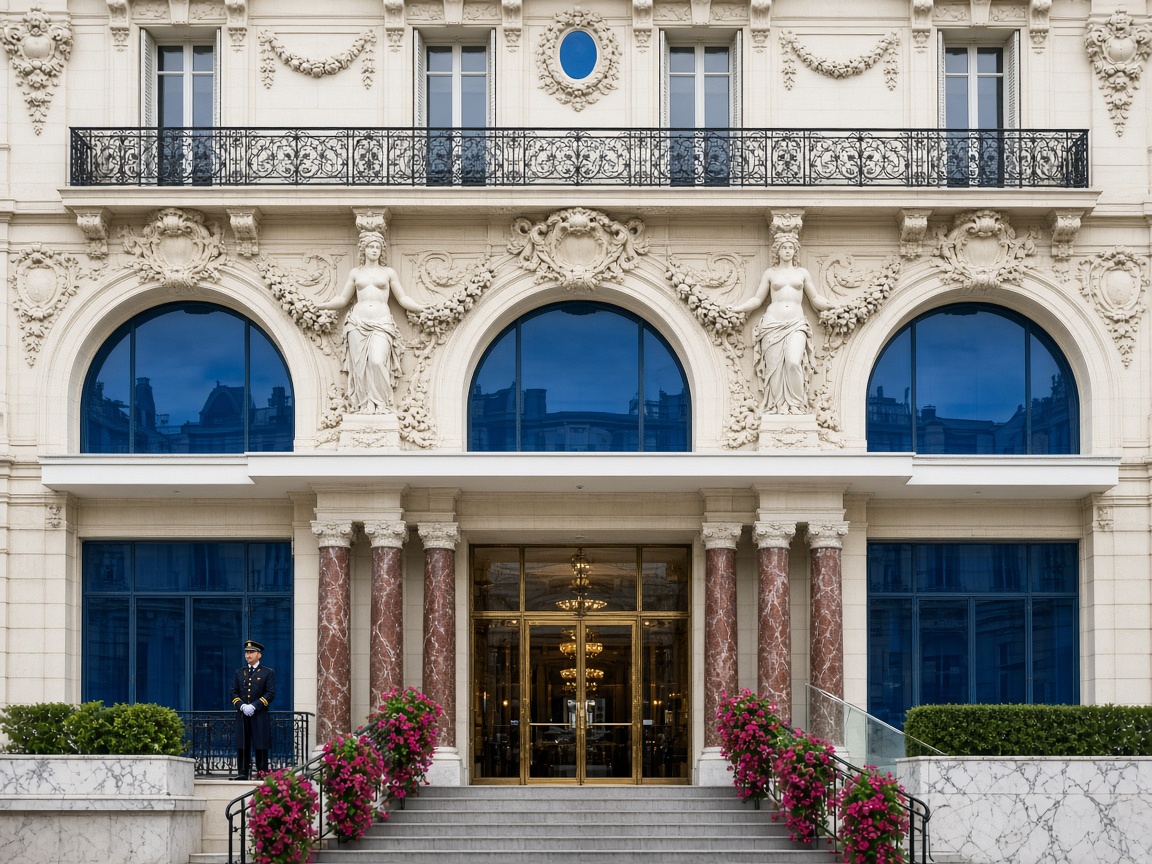
A grand hotel in Monaco asks us to light several of its restored key areas, in what is one of the most prestigious hotels anywhere. Chosen for the rooms are an LED version of “Meridian” and a custom model of the “Vesper” wall lamp, both finished to sit with the new gilt.
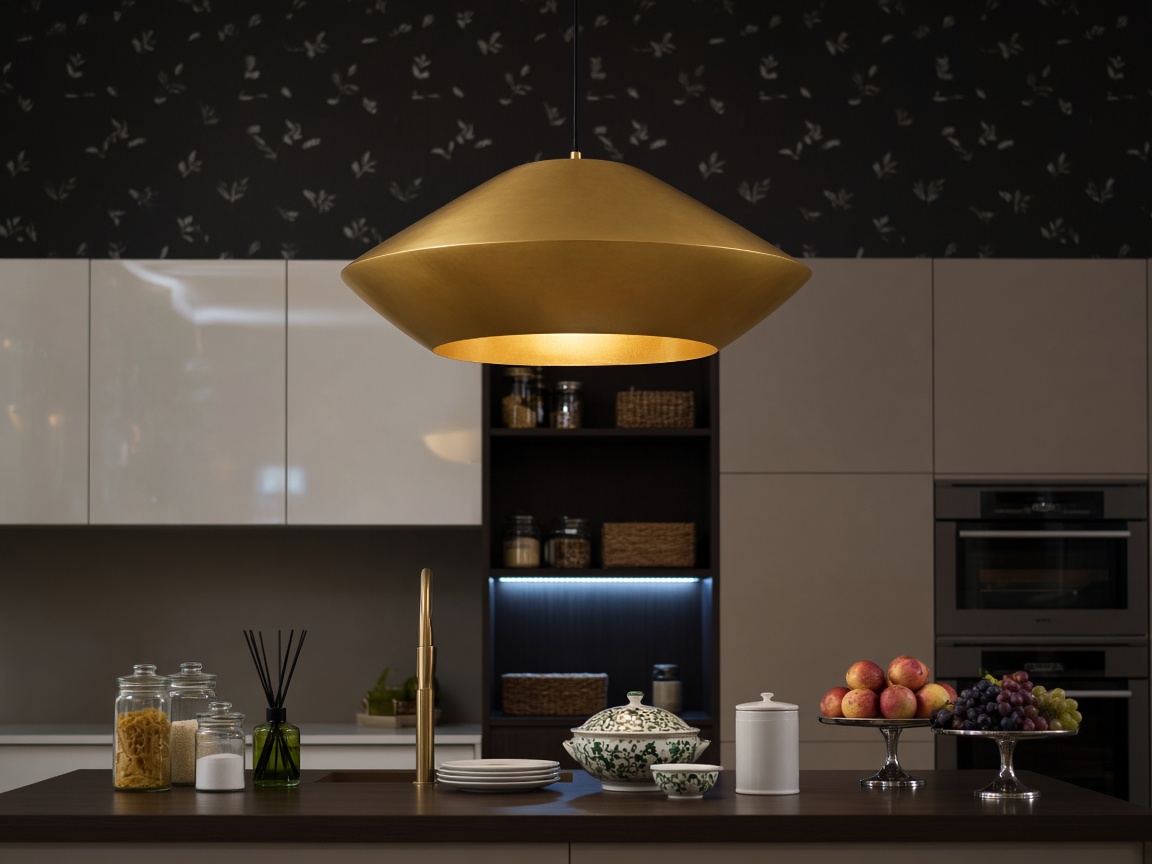
26
We find a home in a new concept store in Milan, on one of the streets the design world shops in. The showroom, drawn by an architect, holds several display areas, each one a different way of living. Our lamps, installed in this evocative place, take part in the conversation between the furnishings and the spaces: they make a harmony, and they fill the rooms with light. Every floor of the building is given one of our most important creations twice over, once in the standard version and once as a customised model produced specially for the store, according to what that particular space needs. “Patina”, “Filament”, “Aurea”, “Vesper” and “Wand” are among the collections present inside. Alongside the products made for indoor lighting, the outdoor collection is there too: the sources inside the spheres of the iconic “Filament”, with the other new outdoor pieces, produce a magical atmosphere out on the terraces and among the vertical gardens.
26
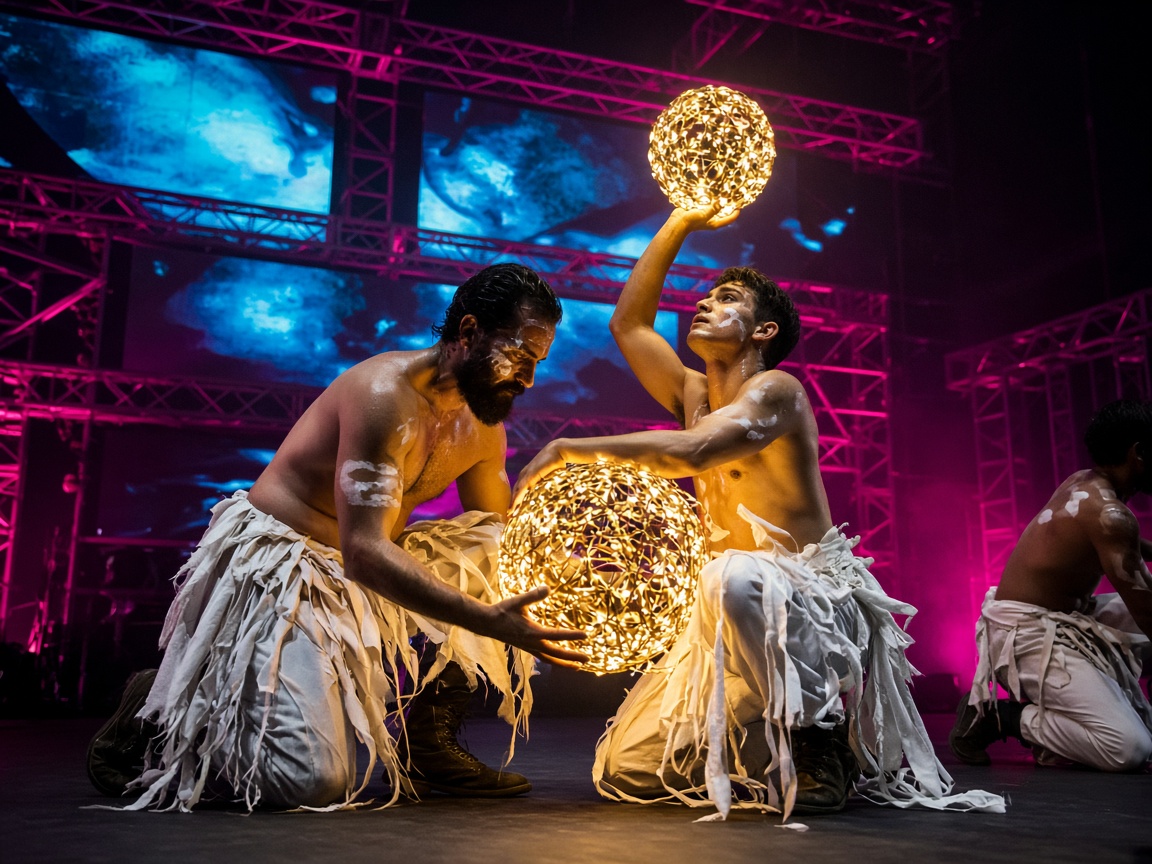
The final stage design of an open-air concert held every summer in a quiet Tuscan valley puts “Filament” in the starring role, with artists of international renown on the bill. The lamp is by now a well known icon of LuminaCraft, and the law treats it as an invention worth protecting: industrial design, but of a creative kind, with artistic value of its own.
26
Suzhou, in the courtyard garden of an old silk warehouse: a ten-day exhibition built out of a long-established local firm's archive, with the outdoor lighting of the courtyard done by us. A bespoke “Corolla” also lights the wooden printing blocks that firm worked with for a century.
26
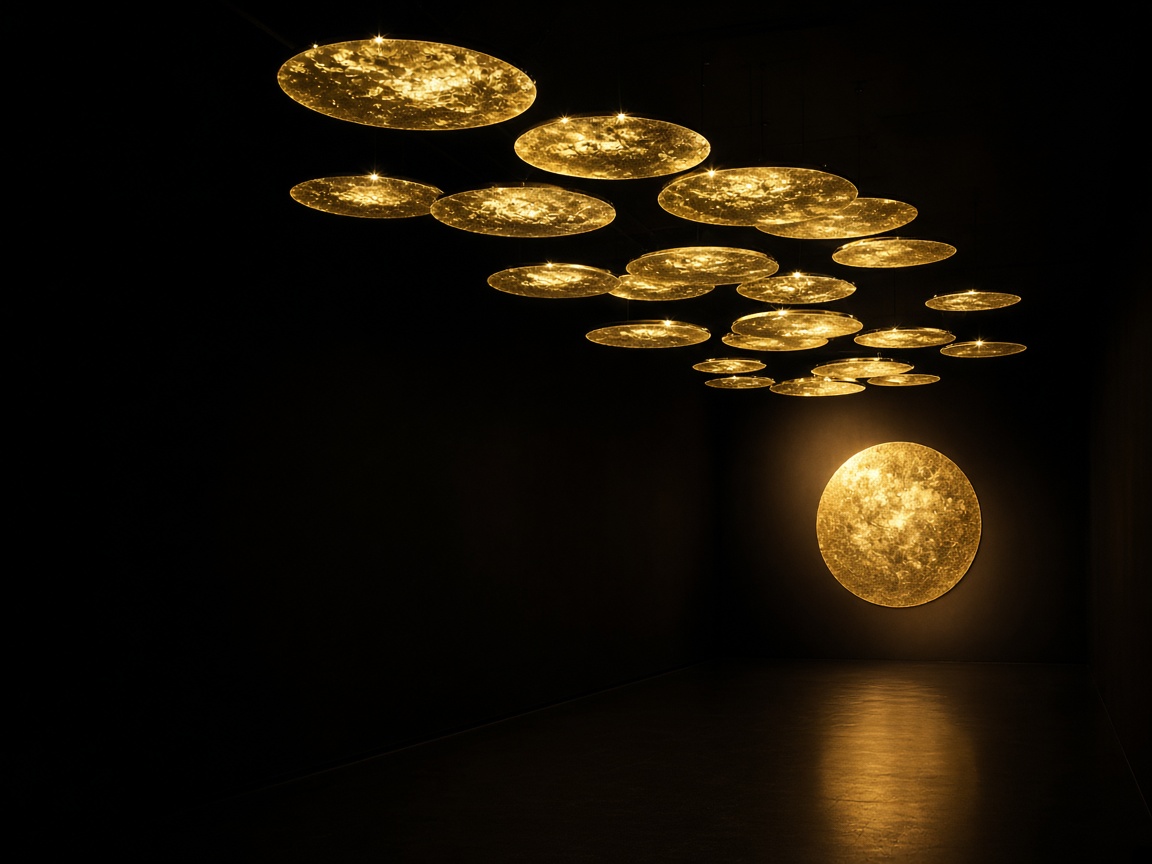
“Chorus” is a walk through light and sound that is meant to be felt: more than fifty discs, all of different sizes, covered in gold-coloured leaf, lit by micro LEDs and hung at differing heights. For this project, put on during the Milan design week, our founder sets music against light and shade in a careful balance. What visitors get is an atmosphere that fills the eyes with wonder and then leads them into light again, into a light that is new to them.
26
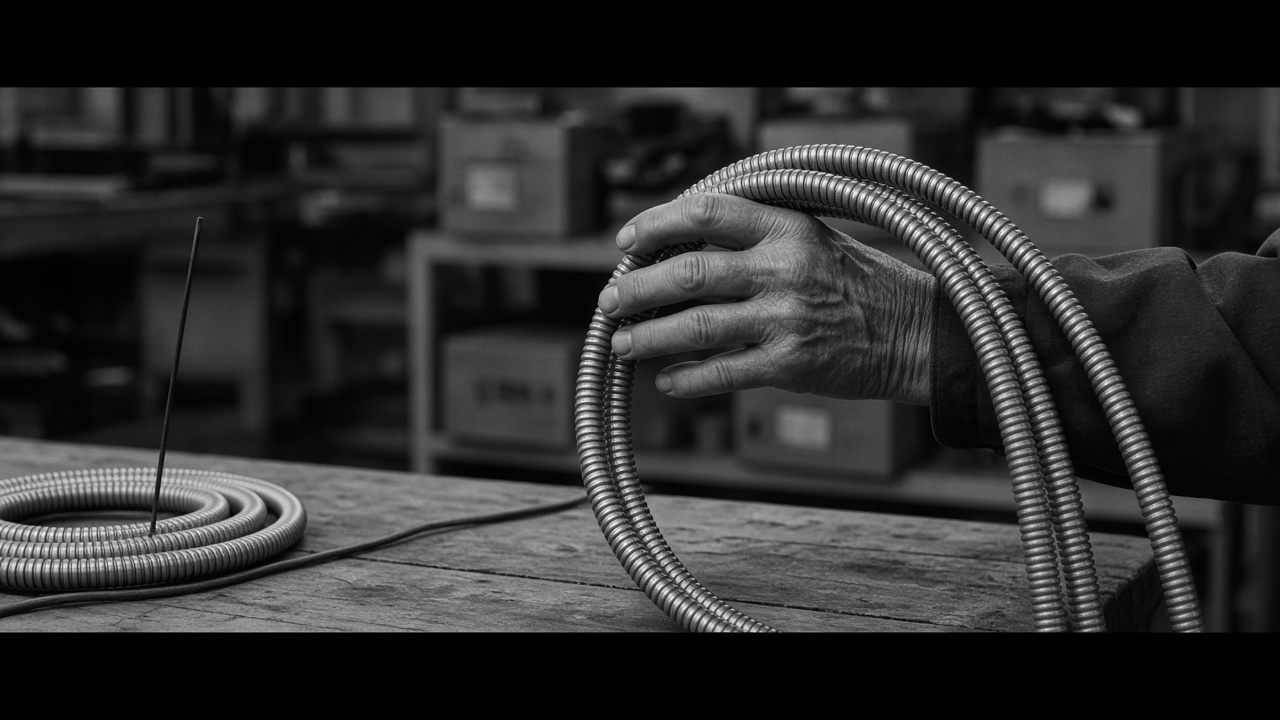
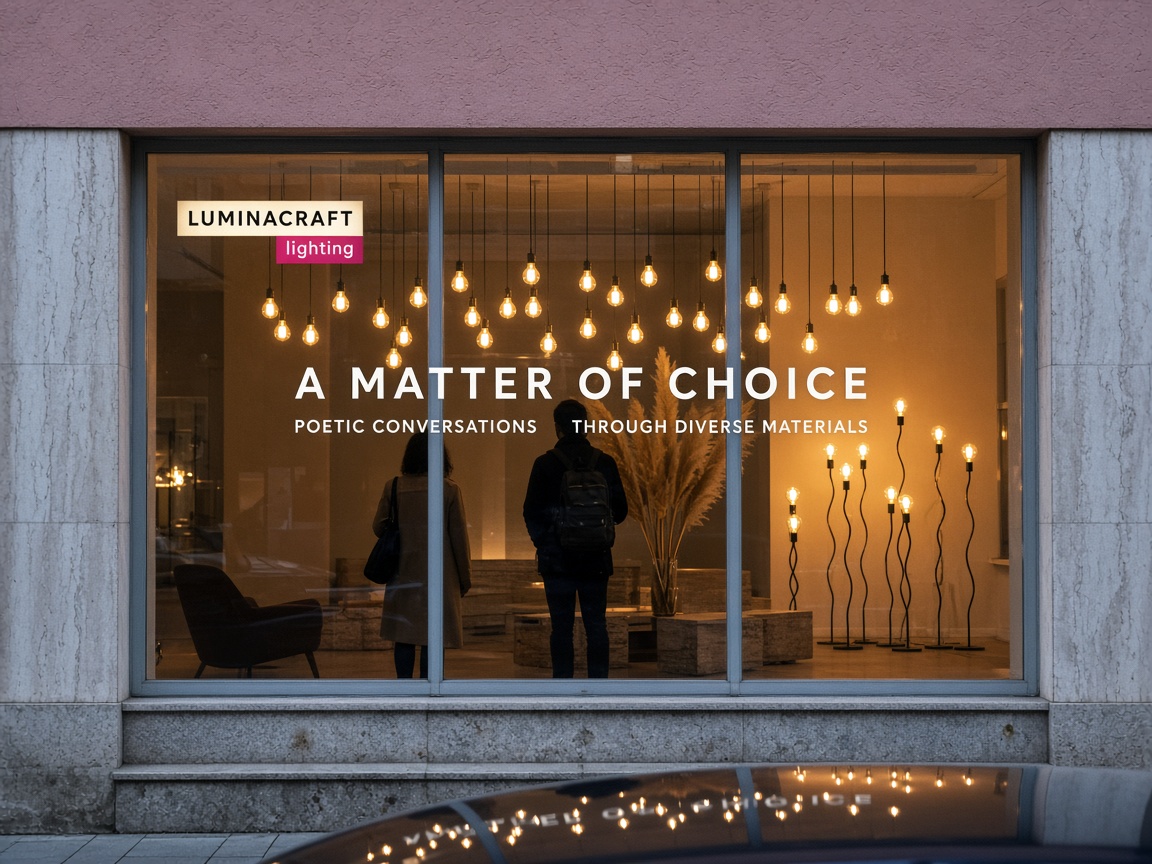
We make a lighting installation for a gallery event in Milan called “A matter of choice”. “For this year's design week I said yes straight away to a friend who runs the gallery, when he asked me into his project. What we wanted to mark was the beginning of my own adventure, and the start of my work with him, a very long time ago now. That is why the objects are built out of the two components that have come to stand for LuminaCraft, the bulb and the flex. Both are reinterpreted here and shown in a new version, quite different from the old one, and at the same time meant as a bow to it. Certain details were changed, new technical solutions adopted, and new finishes put over the top. Out of that comes a limited series of special items: floor lamps, ceiling lamps, and a modular suspended composition whose main quality is that it can be extended for as long as anybody wants. My thoughts go to the people who taught me to make things slowly, and to a friend of this workshop who is no longer here, to whom the installation is dedicated.”
26
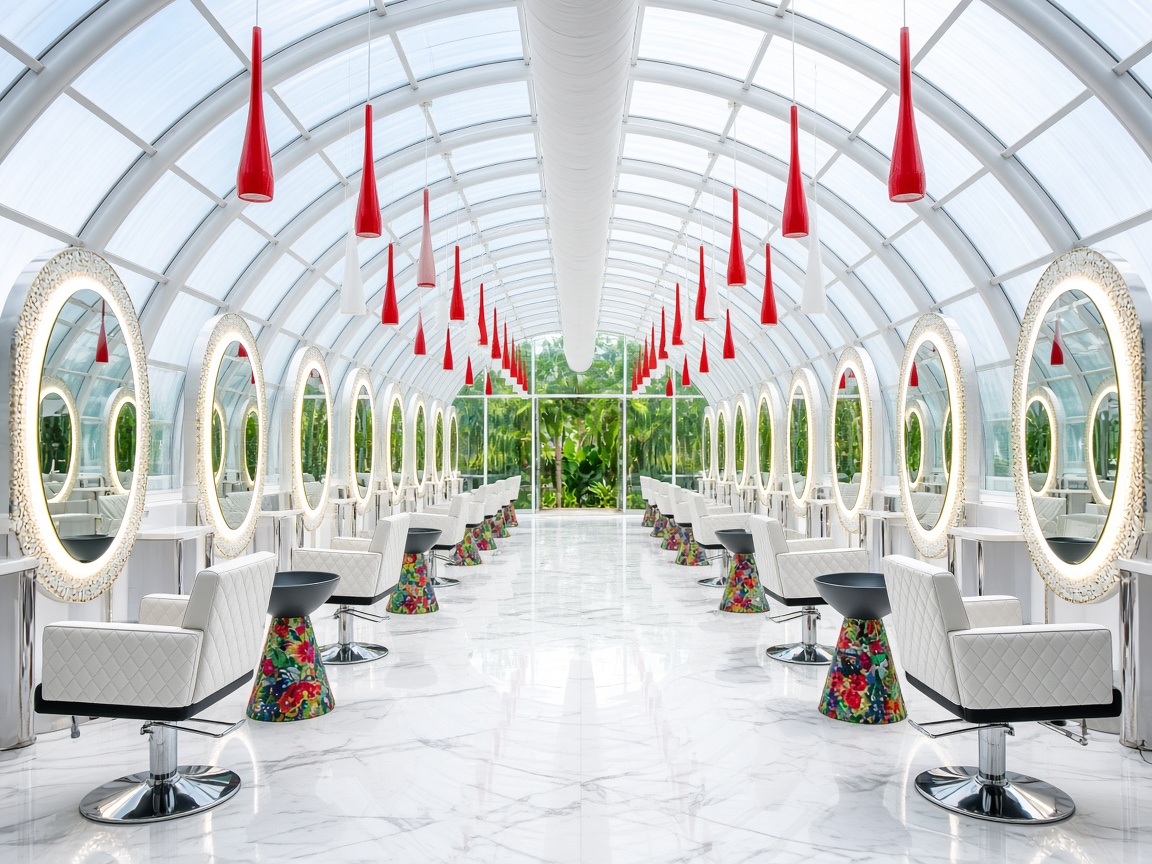
A chain of beauty ateliers picks our lighting design again, as it did for the earlier project in Milan, this time for its first flagship store in Europe. The new space was thought up by the family behind the brand and drawn by an architect they trust, and the idea it expresses is a complete one of wellbeing, taking in exclusive treatments for hair and for the body. In the treatment rooms the light can be brought down to almost nothing.
26
The same collaboration goes on in Milan, with a new shop inside a famous department store, in a stunning location. Beyond some of the pieces already installed in the first store, this occasion produces a new suspension, “Dress Me in Light”, designed together with the same architect.
26
For a second season the beach club on the Sardinian coast hosts lamps from the outdoor collection, in a location that takes the breath away and has no equivalent.
27
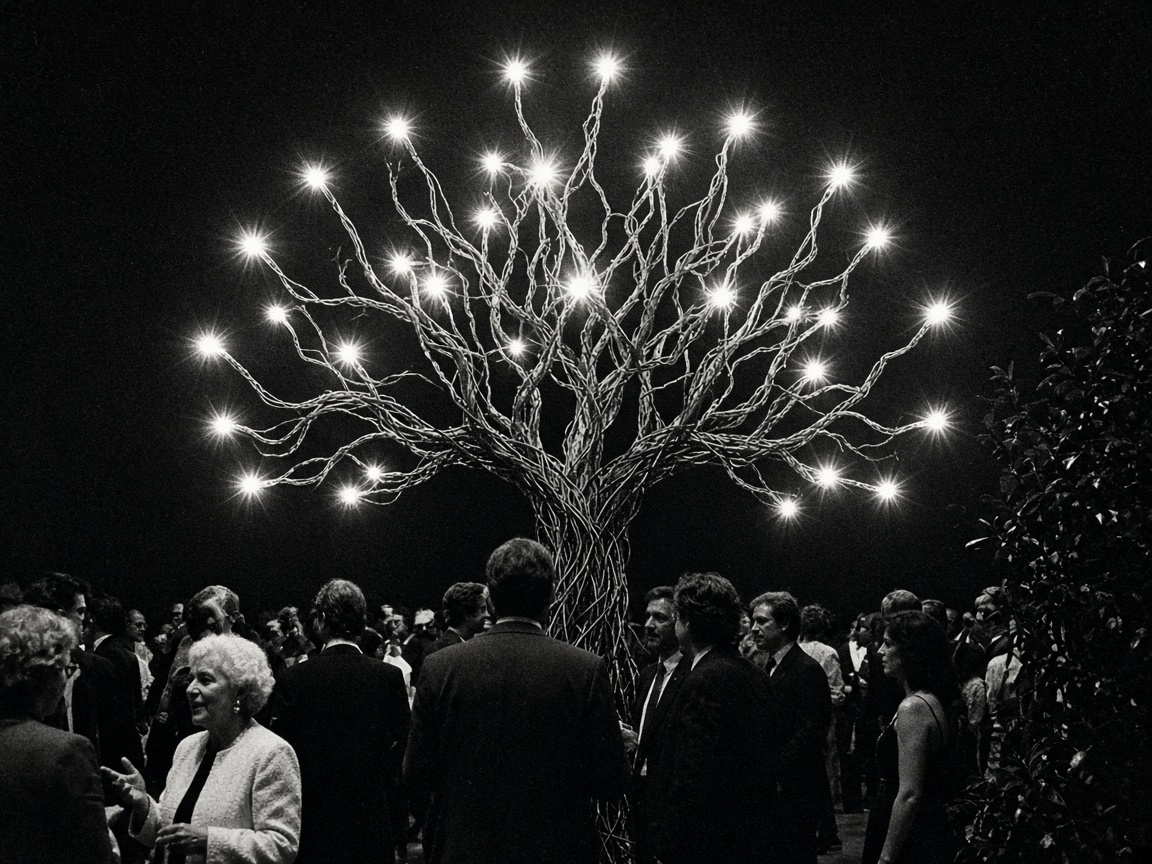
“Canopy”, our sculptural reading of the traditional Christmas tree, stands in the entrance hall of the grand hotel in Monaco for a few days in December. It is there for a charity auction raising money for a local foundation that works with children.
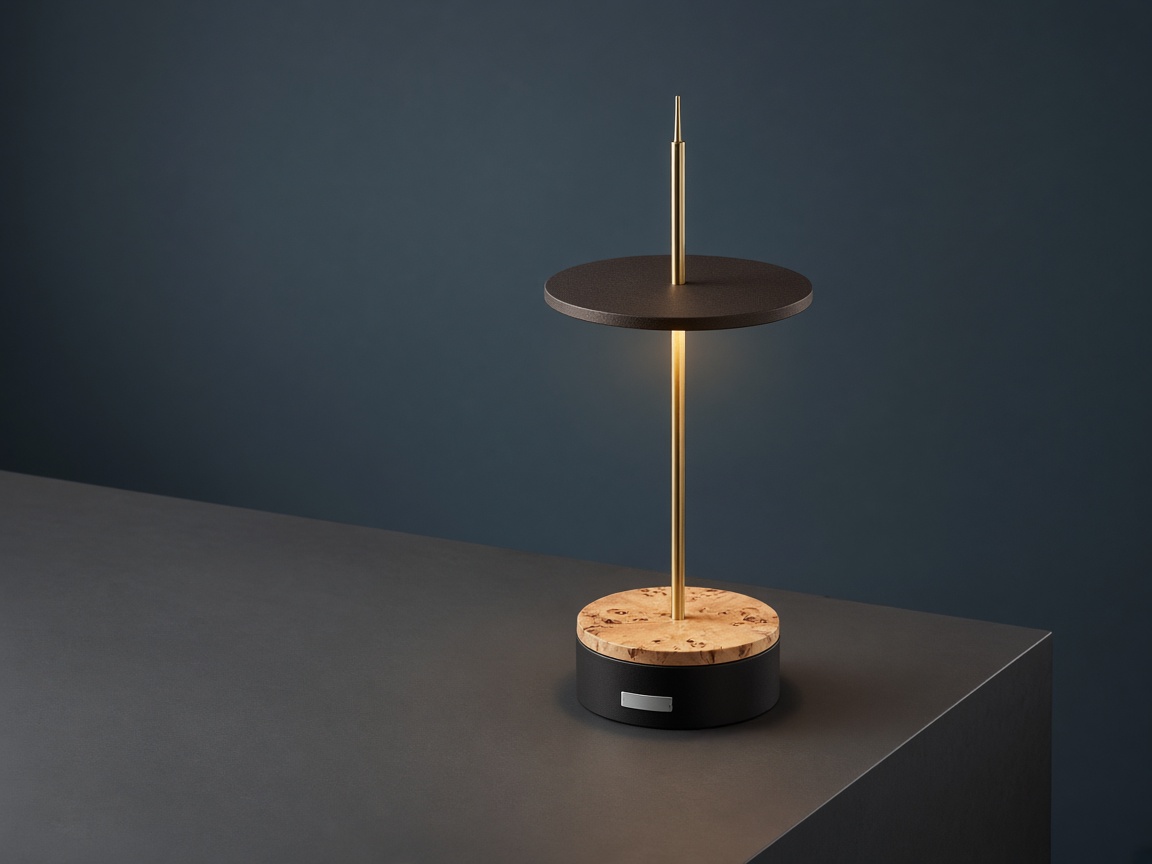
28
“Pebble T”, a small rechargeable table lamp, comes out in six finishes, and sells out twice.
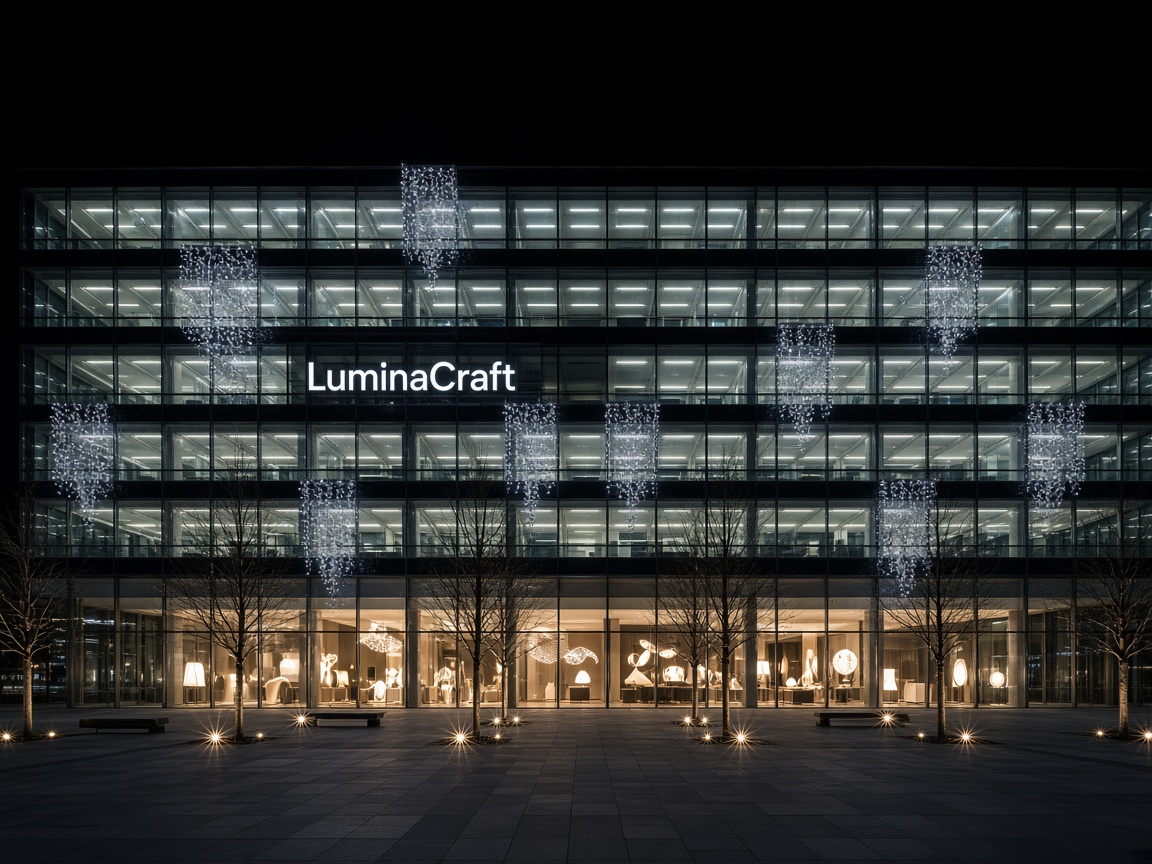
28
Munich: “Filament Cascade” installed outdoors, in a corporate courtyard.
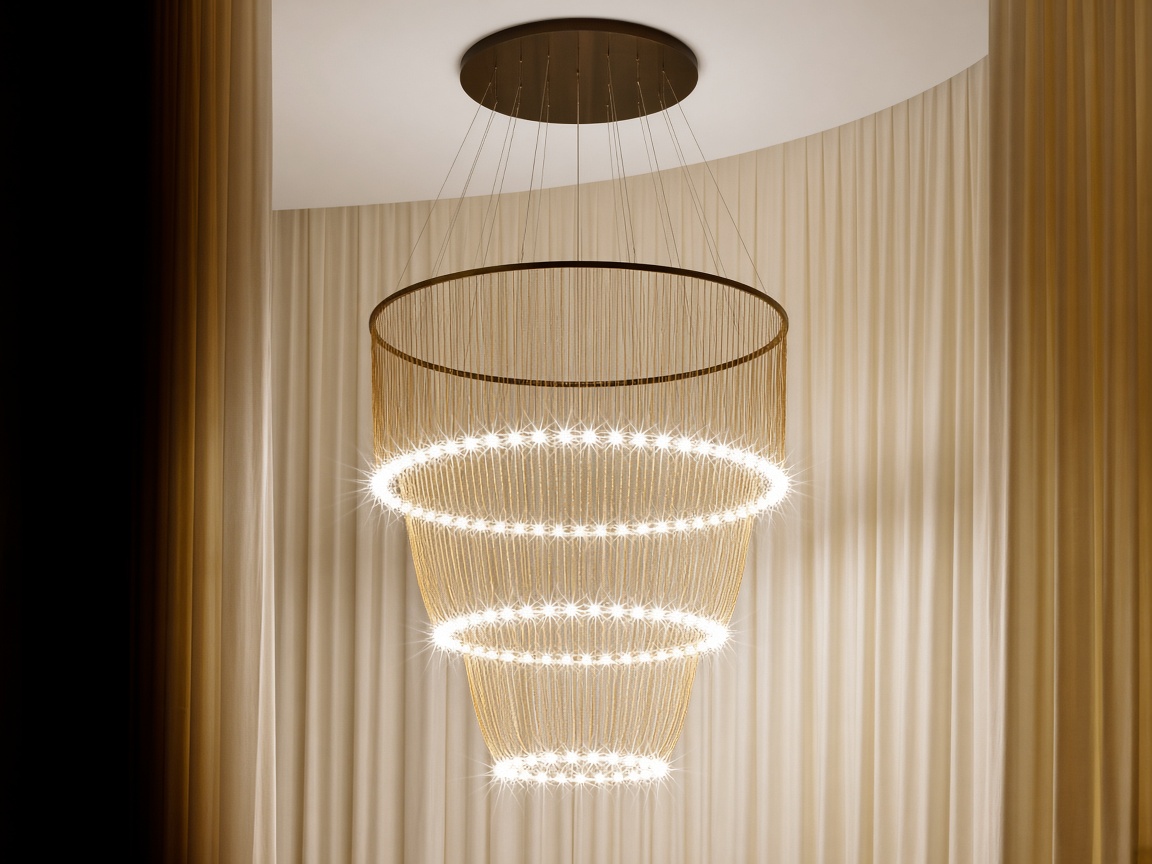
28
Milan, the concept store: the “Aurea 18” chandelier goes up.
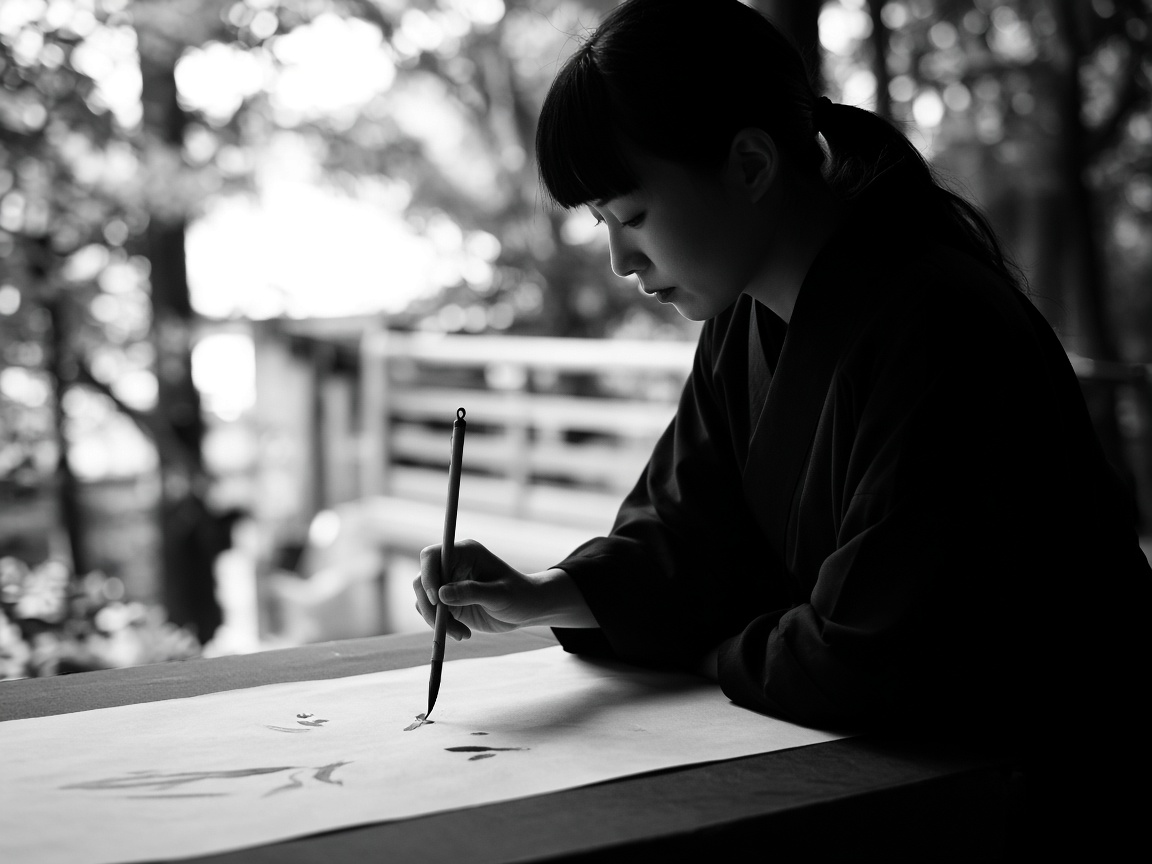
28
In November our founder travels to Japan, to find out more about the culture of the country. He comes back with a series of painted works, shown from the following February in a national art centre in Tokyo.
28
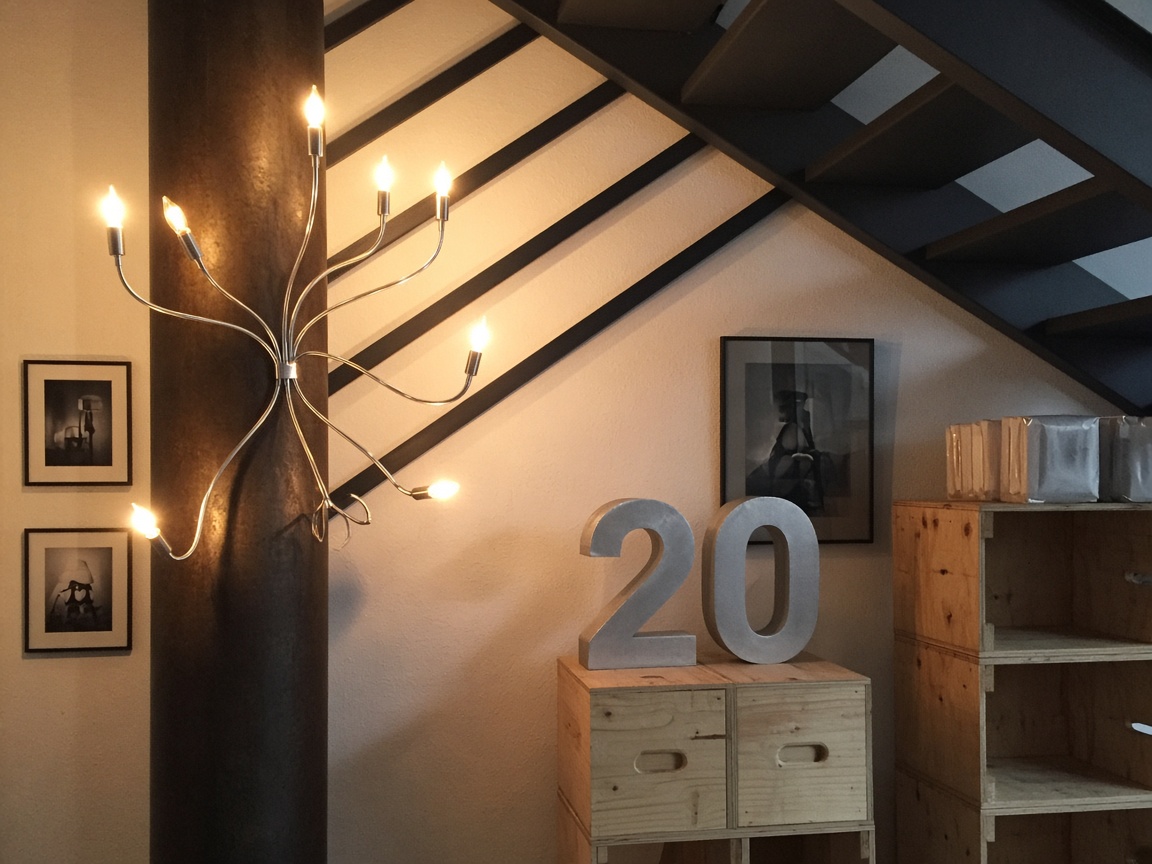
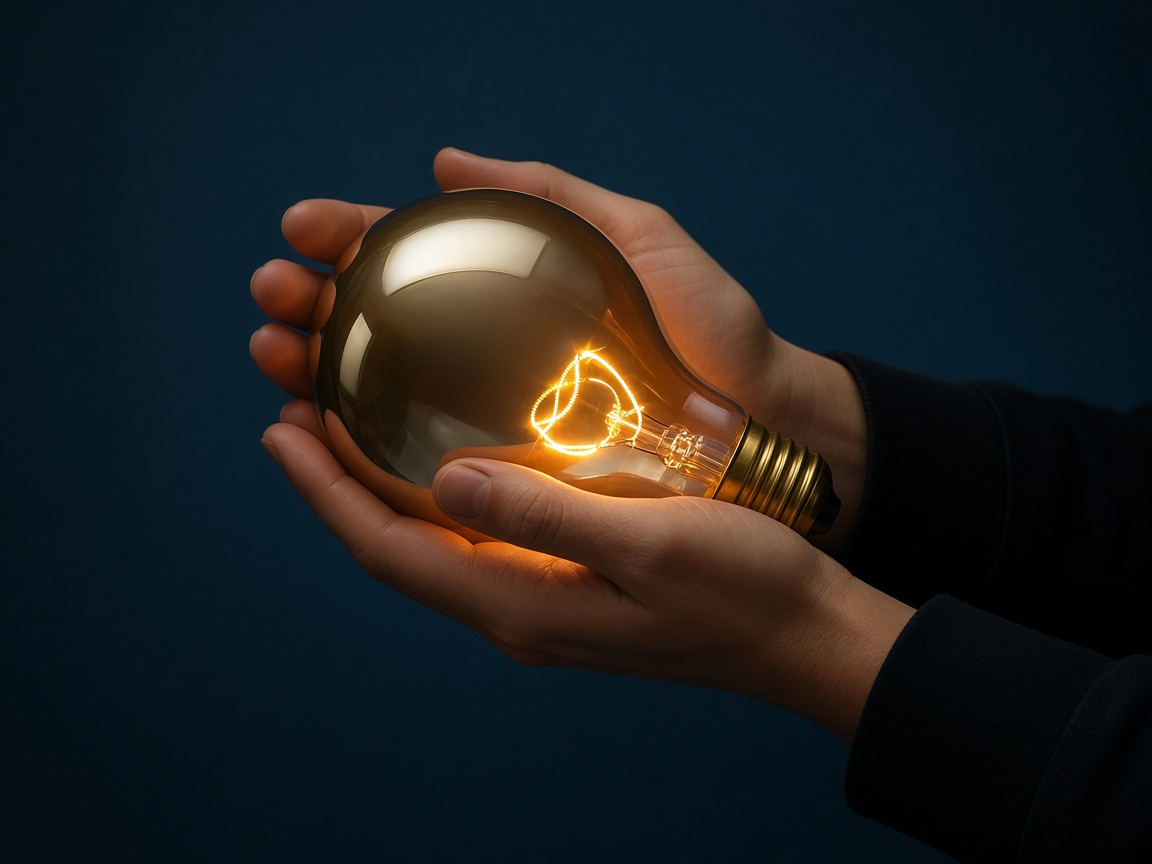
A milestone year for the workshop. New creations are presented for the first time at the lighting fair and during the design week in Milan, and they wake up a great deal of interest among visitors. What the company marks is its own long stretch of years at the bench, and the way we mark it is “Origin”: a beautiful limited, numbered edition, built to the proportions of the filament bulb everybody grew up with, which was the first kind of light our founder worked with when he started out.
29
The collection of lamps made for LuminaCraft goes on growing and goes on selling, in spite of the difficulties and problems the pandemic caused. Several vintage models out of that first catalogue, “Things That Stay”, become the material for fresh research and experiment. A new patented heat sink comes out of it, which is a genuine technical step forward, and every distinctive feature of the original design stays where it was.
29
Hangzhou, a former tea warehouse: an installation outdoors.
30
The foyer of a historic theatre in Tianjin, renovated and restored over two years, is lit with our lamps, together with a number of the theatre's private rooms.
30
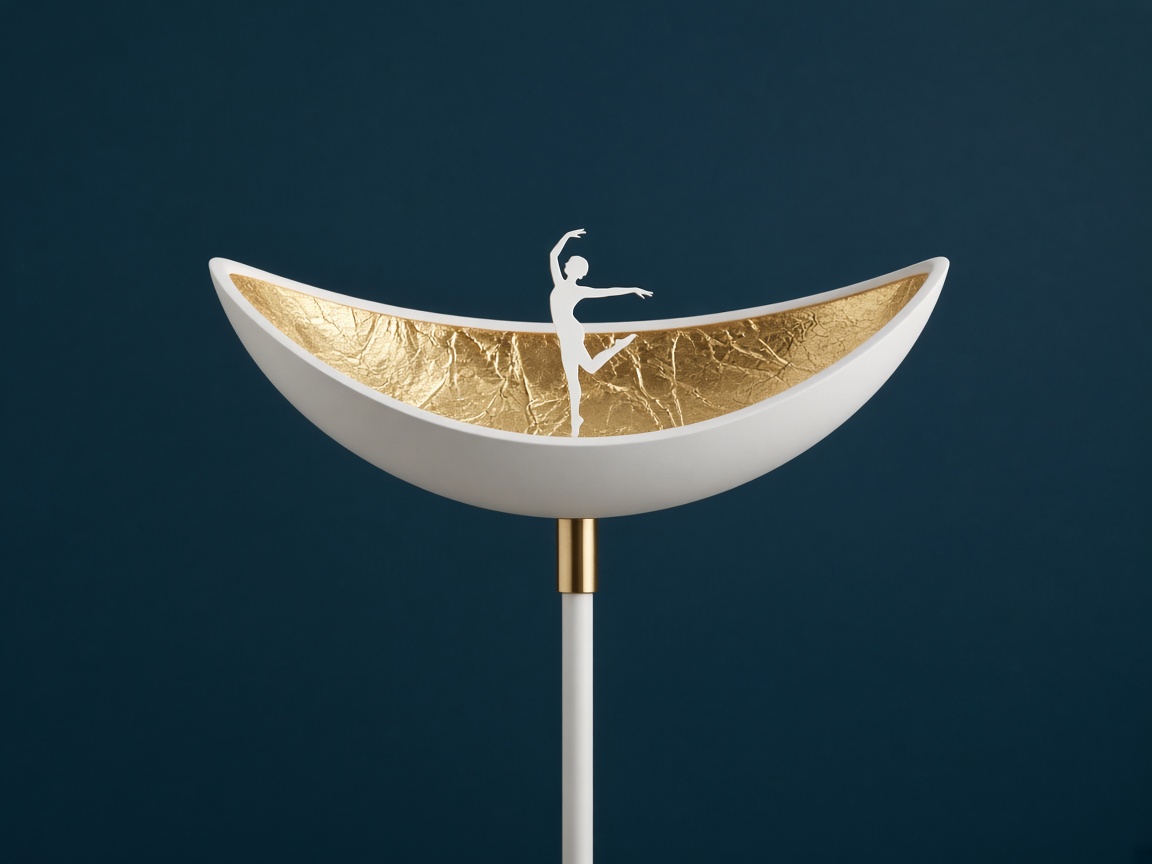
The “U” lamp is released: one bent tube of aluminium, one joint, no fixings showing. Within a year it is specified in three hospitality projects.

30
The workshop moves into a bigger building on the edge of the city, with more bench space, a proper test room for drivers and dimmers, and a mezzanine showroom where specifiers can see the collections lit the way they would be at home. The move brings metal finishing in house, and it takes several weeks off the lead time of a bespoke piece.
30
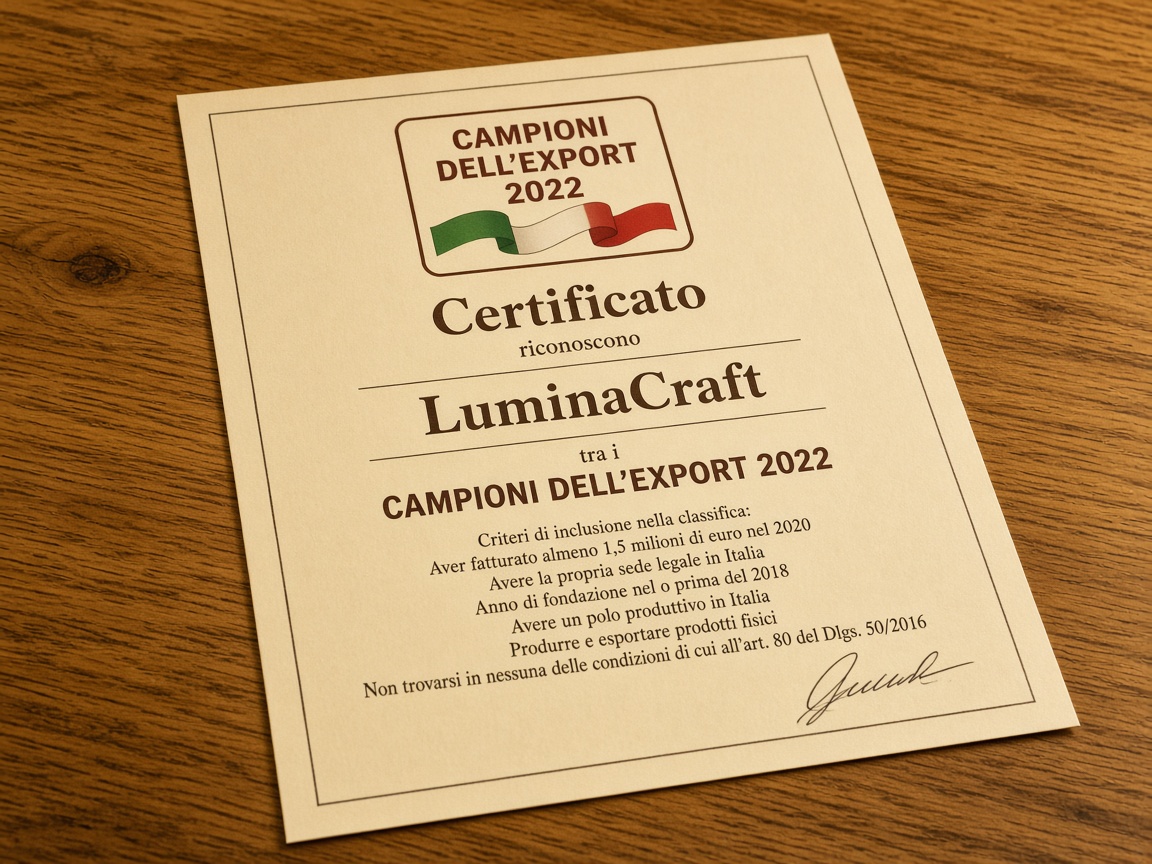
An independent research institute puts LuminaCraft among the fastest growing exporters in its annual survey of the decorative lighting sector, a survey that tracks shipments into more than sixty markets.
31
Hangzhou, a former tea warehouse: an installation outdoors.
31
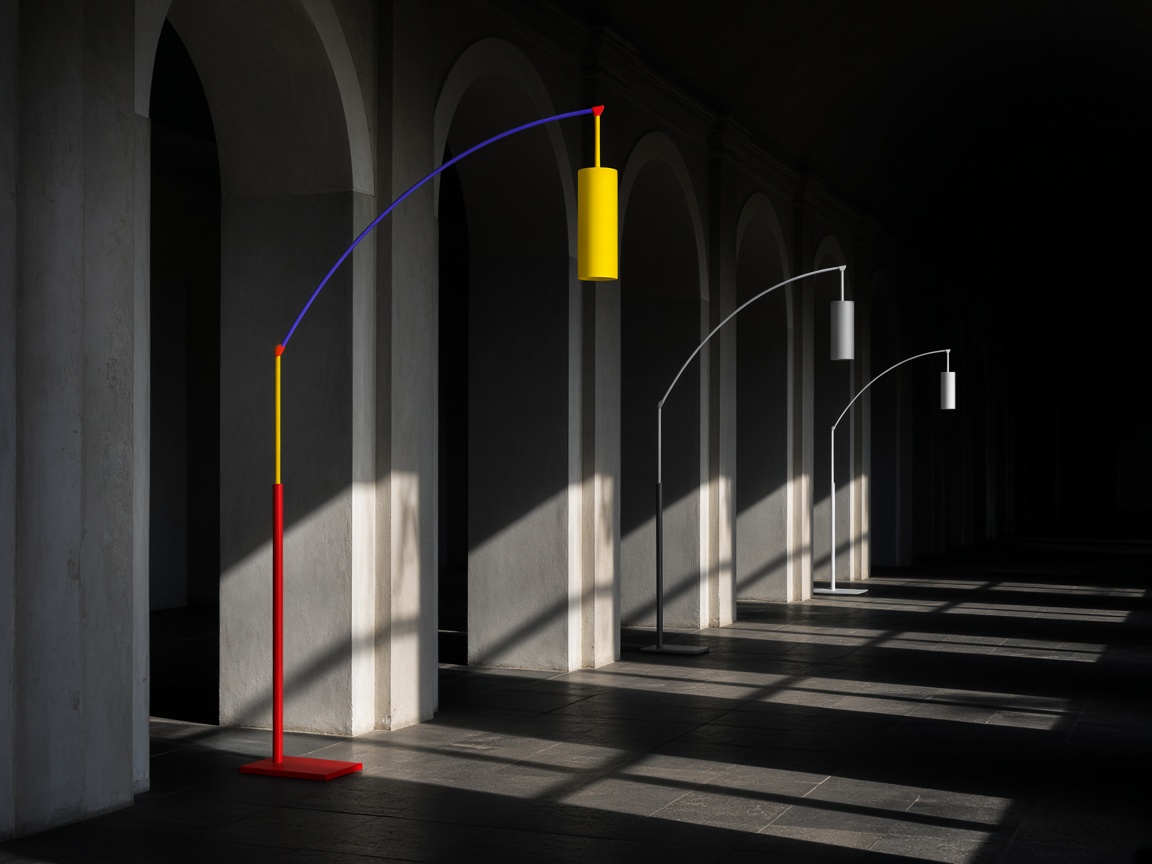
“Pebble Big” comes out: the same small lamp, scaled up for hotel lobbies and double-height rooms.
31
The dealer network reaches a size it has not had before, with more than two hundred showrooms in forty countries holding the collections, backed by regional warehouses that keep spare parts and glass on the shelf. To keep a claim like that honest we publish a report each year on lead times, on repairs, and on how much of what goes into a lamp is sourced within a day's travel of the workshop. An outside ratings agency goes through the numbers before the report is allowed out.
31
“Aureole BE T”, a small rechargeable ring light for tables, joins the family.
31
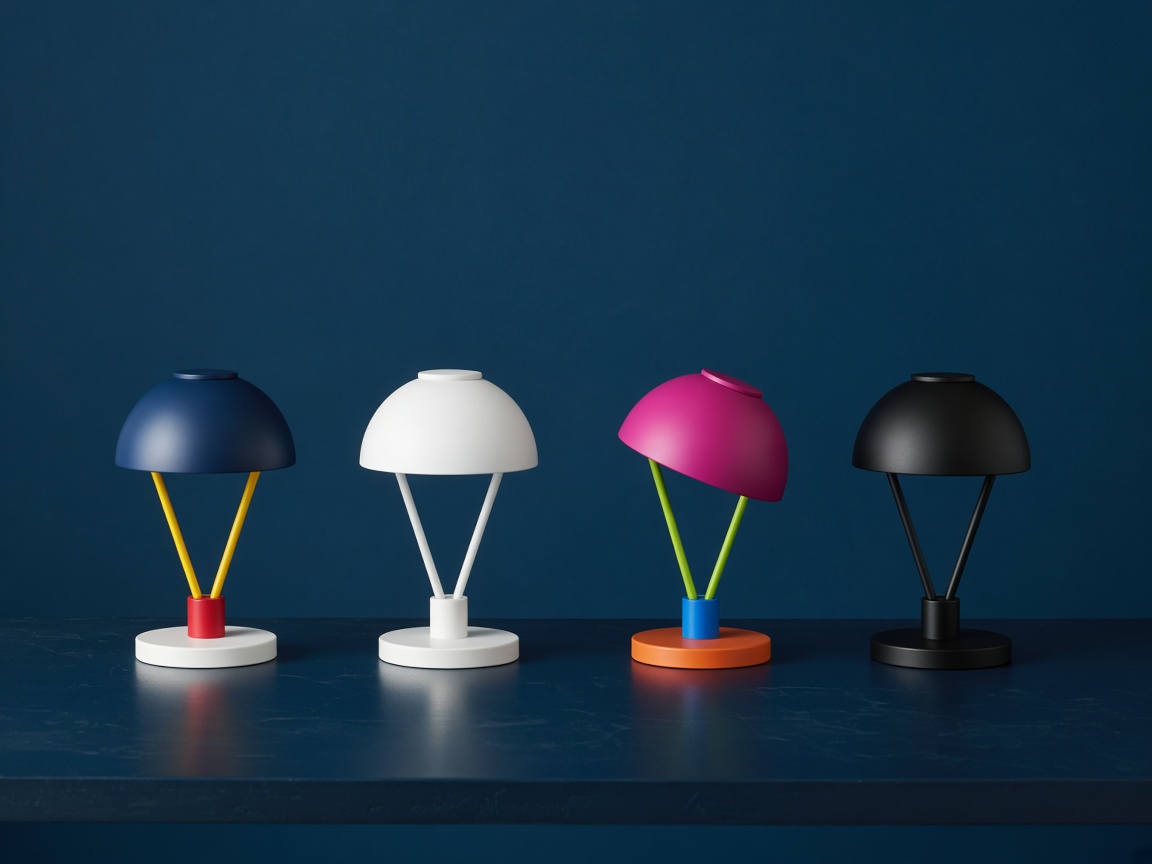
“Pebble T” becomes our most specified table lamp, with more than four thousand pieces at work in hotels and restaurants.
31
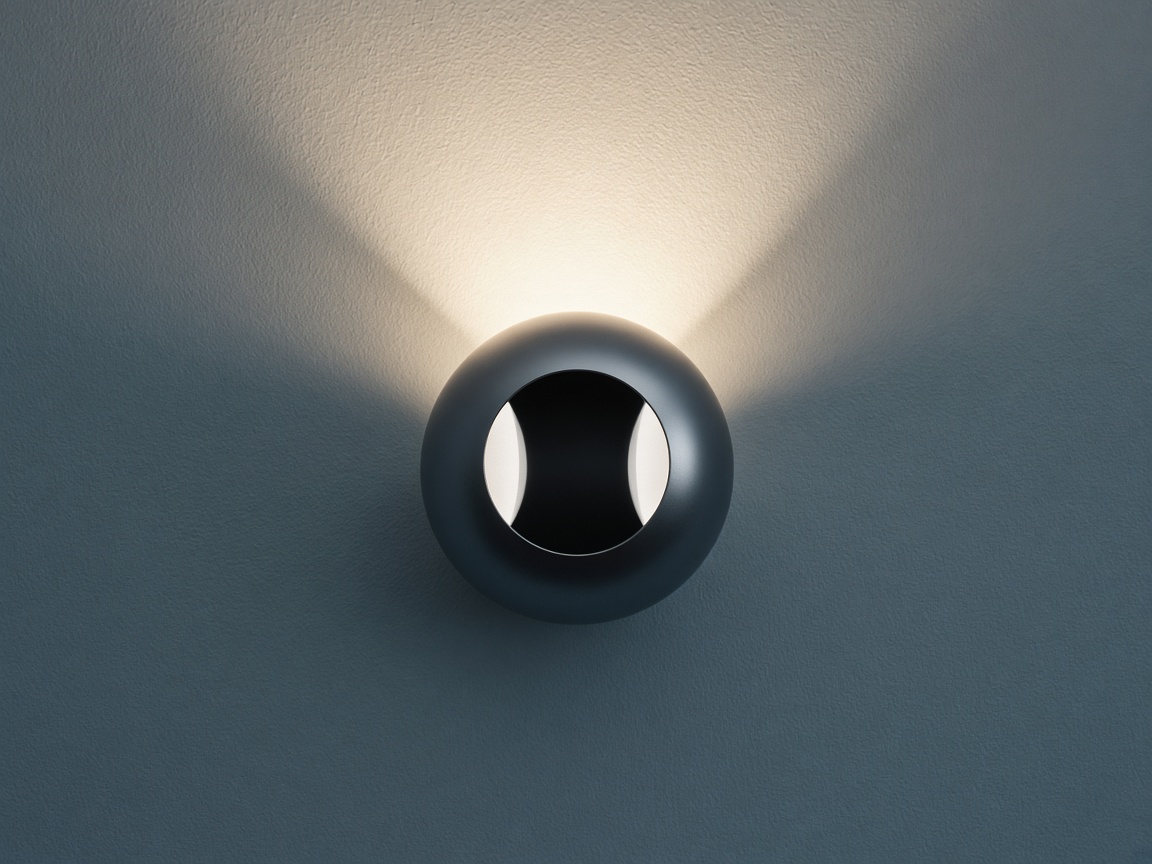
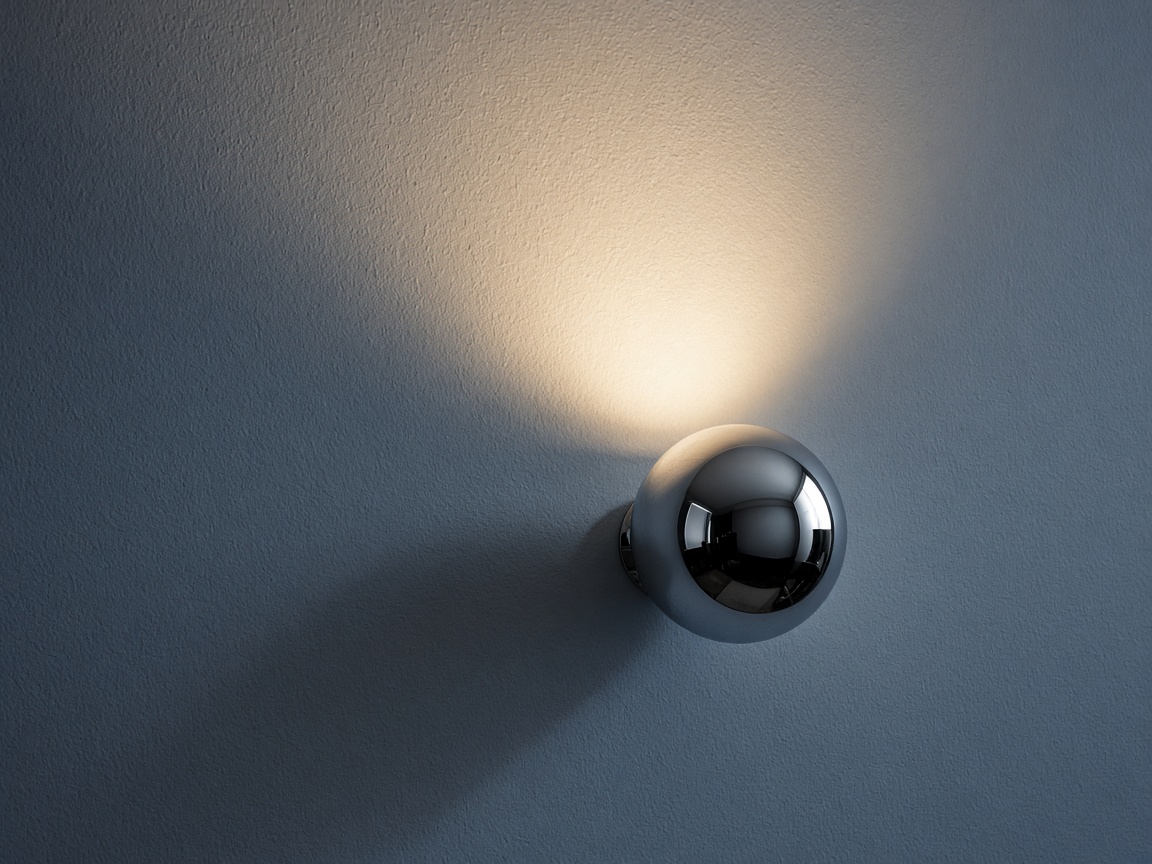
The “Vesper W” wall lamp comes out in a smaller diameter, made for corridors and guest rooms.
32
“Pebble Big” is written into the standard guest room package of a hotel group, across nine of its properties.
32
A new boutique hotel in Milan specifies “Vesper W” for all eighty of its rooms.
32
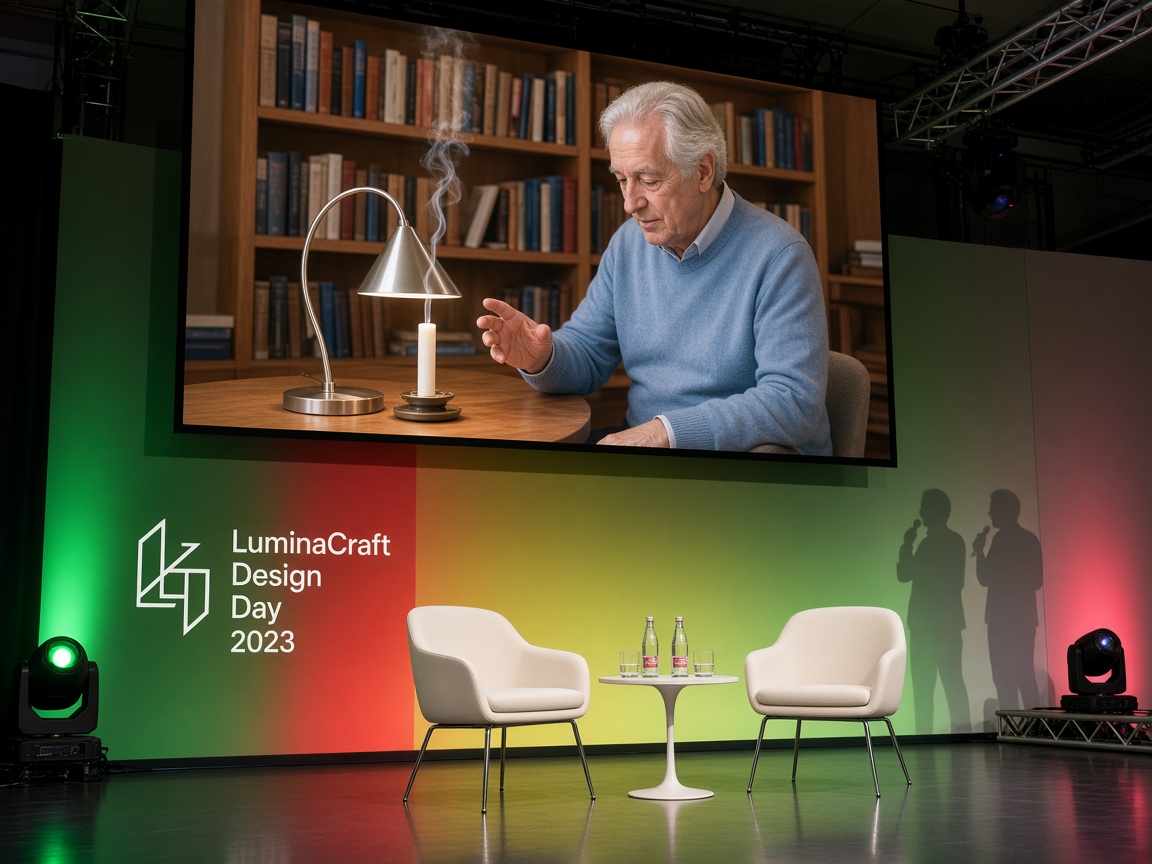
A national design day given over this year to the lighting sector picks LuminaCraft as one of the companies that best represent the country's work. The opening event is held in the capital under the title “Light as a public good: design for people and places”. What follows is a run of further events, organised with embassies and cultural institutes abroad, at which a selection of our lamps is presented to the public, in rooms that are not usually open to it.
32
The lighting fair in Milan has us in it, with new creations that make the power of colour their subject. Visitors see “Eclipse” for the first time, the exclusive lamp our founder drew, which starts from one spontaneous movement of the hand and then takes that movement into three dimensions. What stands in the room is a sculptural lighting object, throwing a soft light onto the wall behind it.