News
A lighter footprint
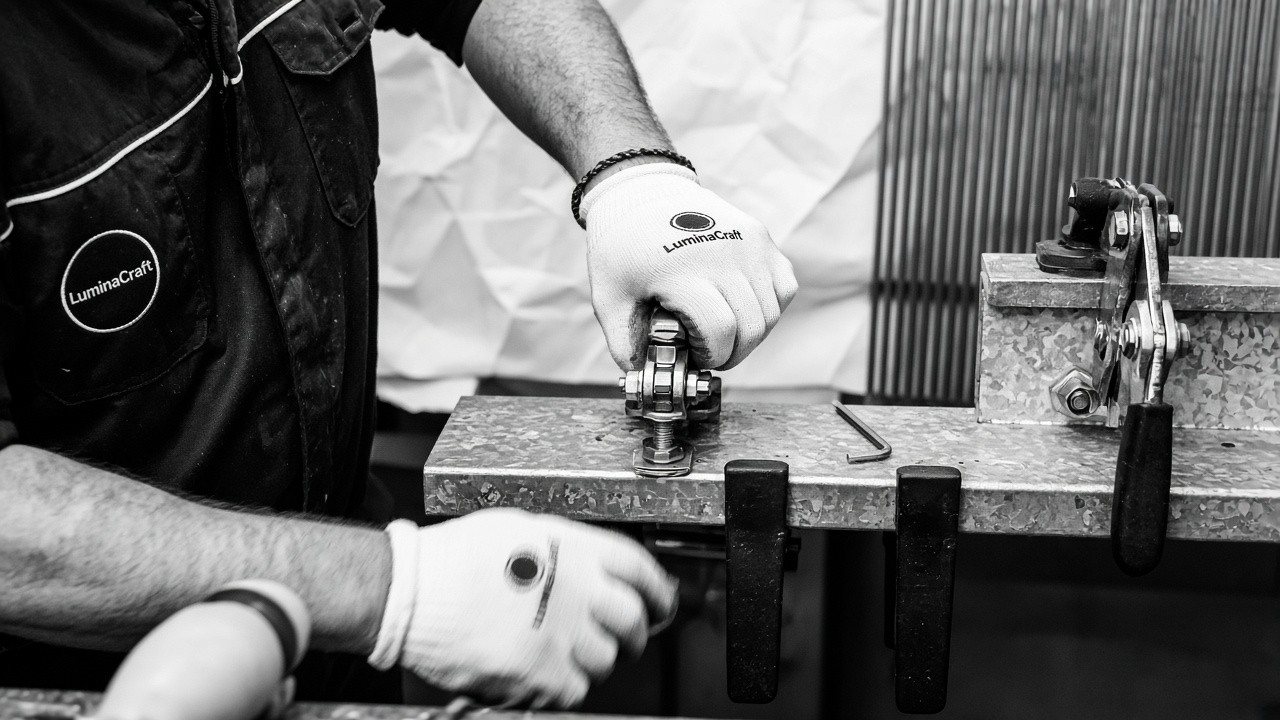
On the twelfth of June we closed a review that had been running through our workshop for a year. We weighed what comes through the door, measured what the benches and the ovens draw from the grid, and followed the packaging of a single glass shade from the painting station to the back of a van, and then up someone else's stairs. The point was never to produce a document. We wanted decisions we could act on by Monday.
What we changed
- Packaging. Moulded pulp and recycled board now take the place of foam. The boxes are smaller, so more lamps travel in one load and less air travels with them.
- Materials. Aluminium, copper and brass, each of which can be melted down and used again. Our glass is blown close to the bench, which shortens the road it has to take to reach it.
- Finish. We moved to low-solvent paints and powders, and the overspray stays inside a closed loop at the painting station instead of leaving the building.
- Energy. The workshop is lit entirely by our own low-draw LED sources, and production is scheduled so the ovens run full rather than half empty.
- Longevity. Spares, replacement shades and re-finishing remain available for every lamp we have made, the old ones included.
Two of those five did most of the work. Longevity, because a lamp that can be repaired never turns into waste. And packaging, because a box is the one part of our craft a client holds for a minute and then throws away. We spent most of a spring on the shade cradle alone, cutting and re-cutting pulp until it carried the glass through a fall from bench height onto concrete.
Since the summary went out, the questions have been practical ones. Dealers want to know whether the smaller boxes fit their shelving; they do, and they fit more of them. A hotel asked how long we hold shades for a re-order placed ten years out. Our own team asked to see the readings from the paint station, so those numbers now hang by the door where anyone can read them.
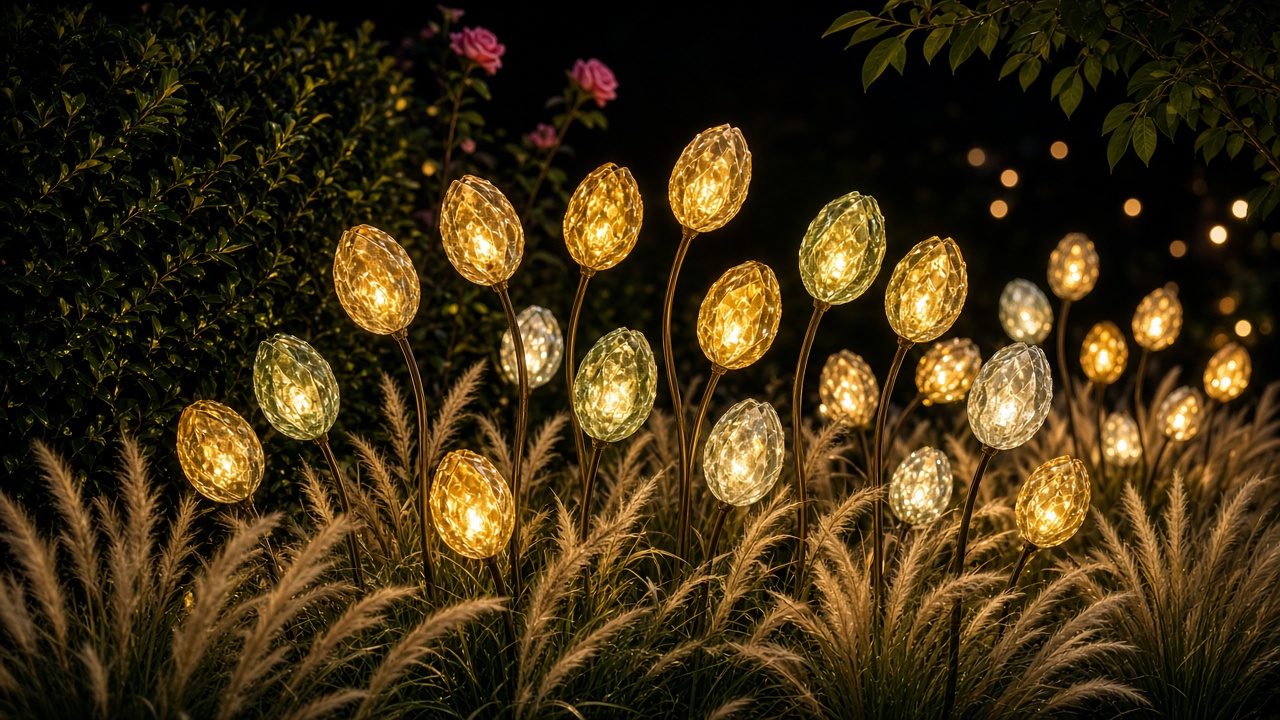
Light is the one thing we can put into a room without leaving weight behind.
What comes next
Next year we will look at the same three things again, and at the transport we do not control, which is where the honest difficulty sits. We will publish what we find, the parts that did not work out included. A lighter footprint is a direction. We keep walking it.