Craft
The value of a handmade surface
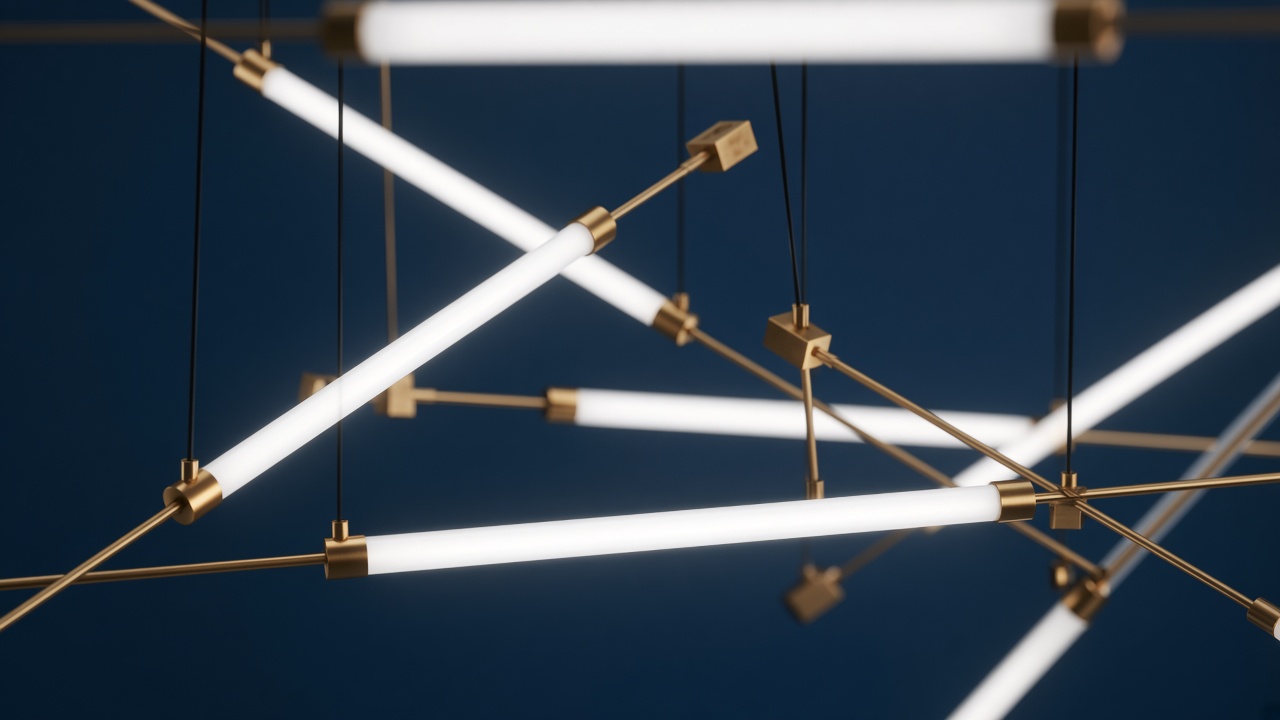
In the finishing room there is one sound you learn before anything else: a palm moving across brass, slowly, always in the same direction. Nobody counts the passes. The hand knows when the metal has had enough, and it stops before the surface turns glassy. That pause is where the work happens. Our lamps begin with light, but light has nothing to say until it meets a surface that has been touched.
The mark the hand leaves
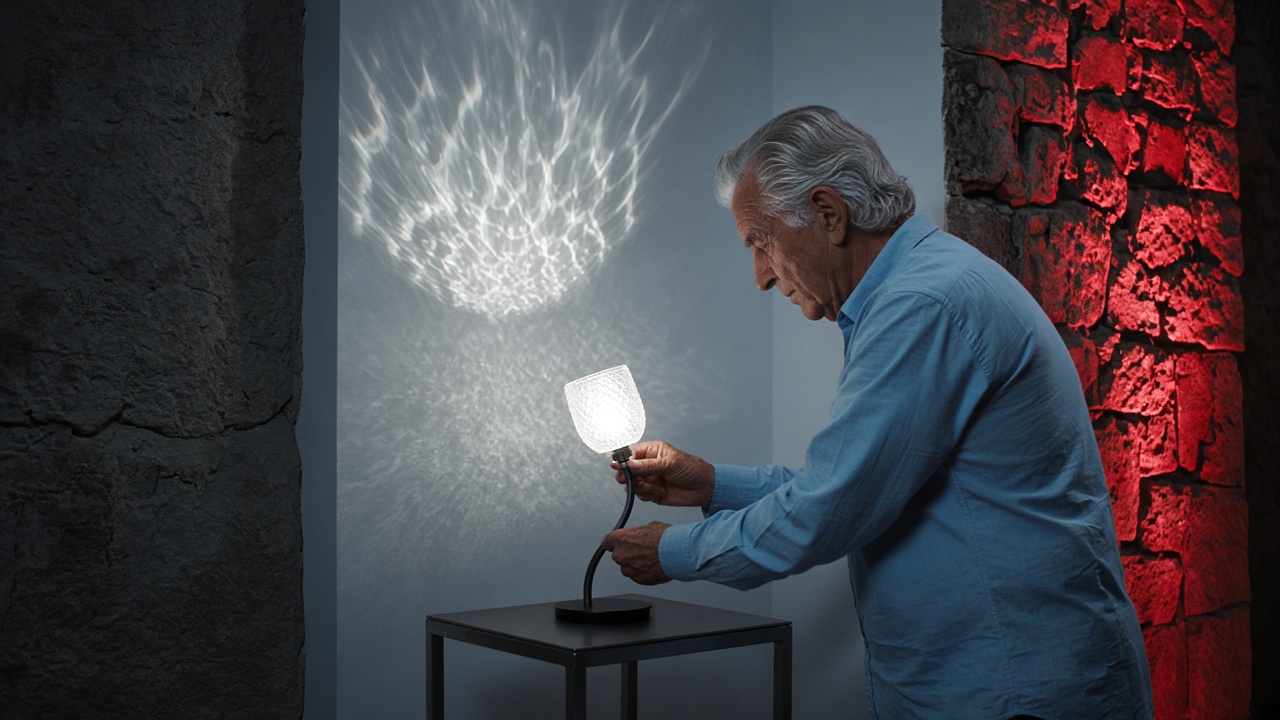
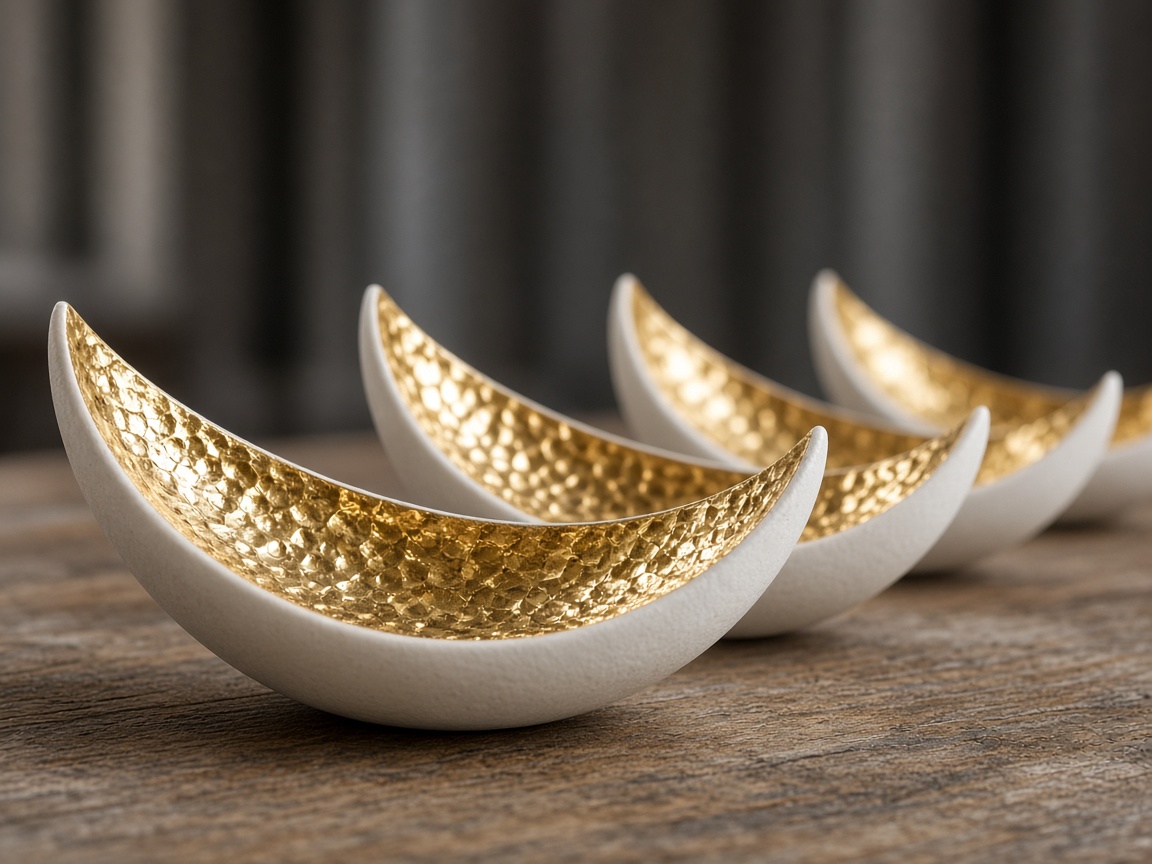
A machined finish reflects in a single voice. It hands back one even image of the room, tidy and a little cold. A hand-worked surface speaks in many voices at once. The grain left by a scouring pad, the tide-line where a patina dried a second longer on one side, the shallow hollow worn by a thumb that always rests in the same place: each of these turns the light a fraction of a degree away from its neighbour. So the lamp appears to move while it stands still. The eye goes on reading it and never quite finishes.
We work mostly with copper, brass and iron, and with pigments ground in the workshop rather than bought ready in a tin. These materials are impatient. Copper blooms if it is left unwaxed overnight. Iron remembers every fingerprint until the oil cures. Patina goes on in thin passes, and between passes the piece travels back to the window, where the daylight is honest.
- Brass — brushed in one direction only, then rested, so the grain runs like water.
- Copper — warmed until it darkens on its own; the colour comes from heat rather than from paint.
- Iron — blackened by hand and closed with wax, which will want renewing in a few years, as it should.
- Pigment — mixed in small quantities, used the same day, never repeated exactly.
What we refuse to sand away
Near the end there is a stage at which a piece could still be made even. Twenty minutes at the wheel would take the marks out. We leave them, because evenness is what a machine is for, and irregularity is what a person leaves behind. The small unevenness is the only evidence inside the object that someone stood at a bench on one particular morning, in one particular mood, paying attention. That evidence goes on ageing with the lamp: in ten years the brass will be warmer where a hand passes often, cooler where it does not.
So we keep the tide-lines, the thumb-hollows, the corner where the patina took twice. A handled surface says so without being asked. Quietly, for years.