Collections
New catalogue, new light
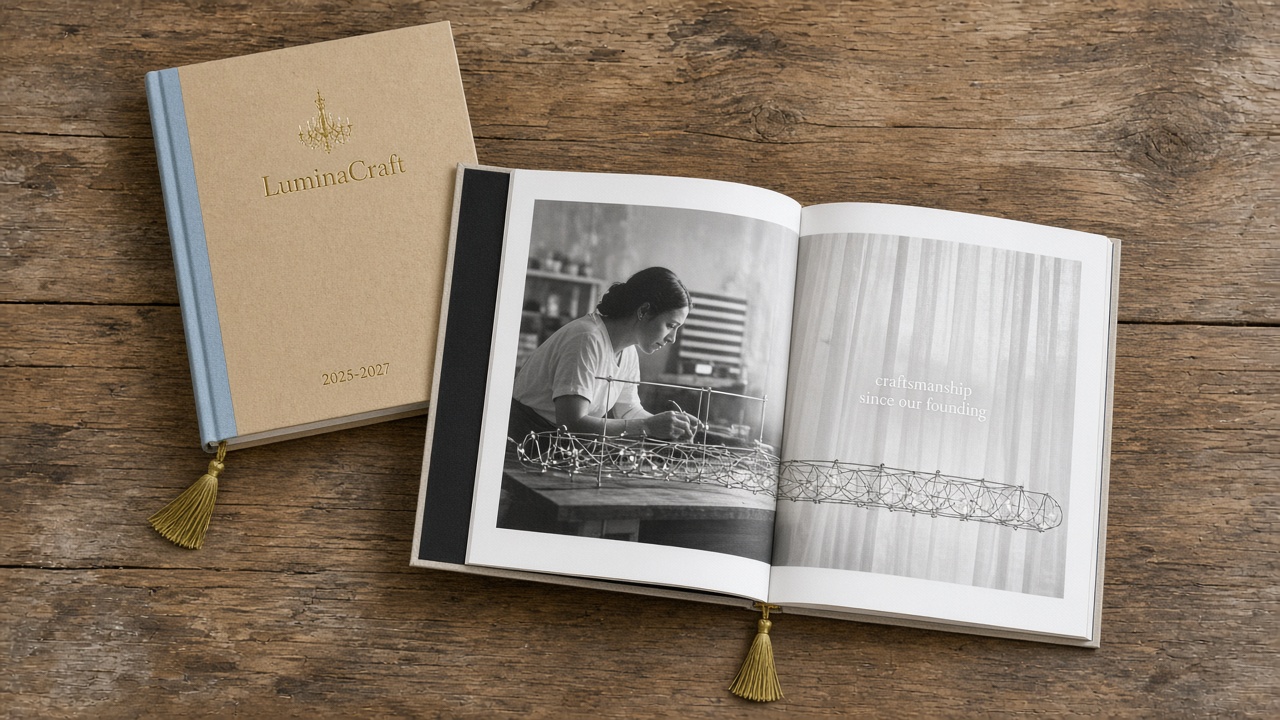
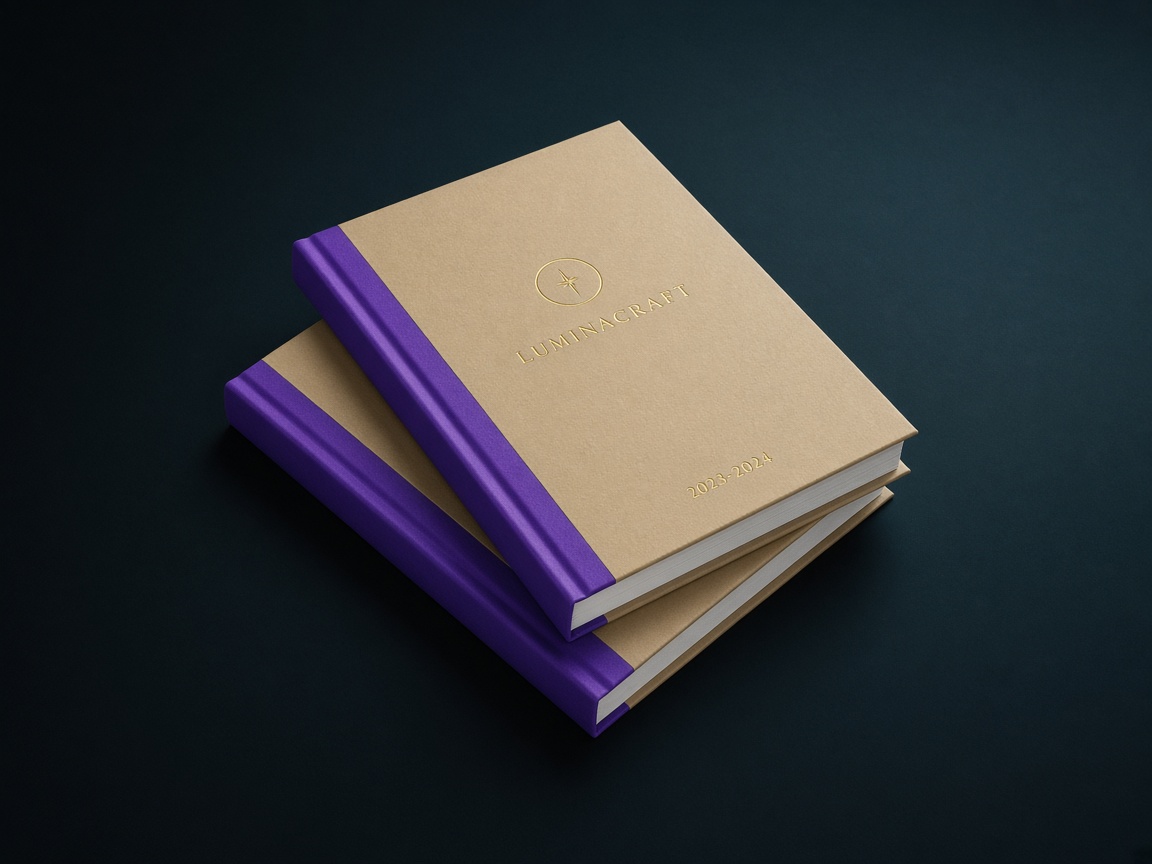
The new catalogue reached the studio on Thursday, and we spent the afternoon with it on the floor, spread open, page by page. What held us was the light in the photographs. Over two seasons the way our lamps give out light has changed, quietly and mostly by accident, and the pages caught it before we had a name for it.
What the new light does
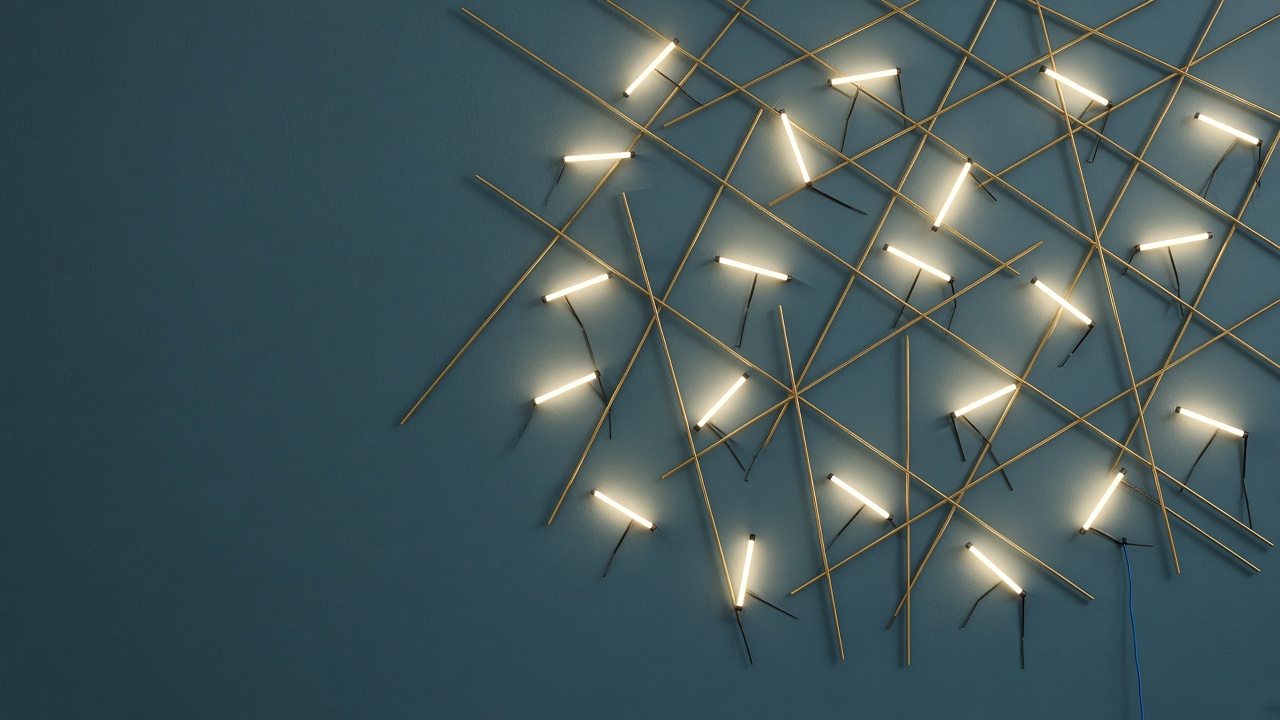
The sources sit deeper now, sunk into the shade, so the eye meets a wall of warm brightness rather than a bare bulb. Brass rims have grown thinner, two millimetres off in most cases, and thin metal holds less shadow, which lets the pool of light on a table spread wider than it used to. The blown opal glass stays in the furnace a little longer; that takes the hard white centre out of it and leaves a glow like skimmed milk at dusk. On a wall the result is a soft wash with a clean edge. On a ceiling, a slow bloom.
The changes came at the bench, one adjustment at a time, with nobody announcing them. The catalogue only recorded where we had arrived, and the materials did most of the work.
Hand, material, patience
- Brass, brushed lengthwise and left unlacquered, so it takes on the colour of the room over the years.
- Opal glass, mouth-blown in three thicknesses; the thinnest is reserved for the small table pieces.
- Copper foil, hammered flat, its facets scattering light in a pattern we could never repeat on purpose.
- Linen shades, cut on the bias and sewn one at a time, each with a slightly different fall.
- Warm sources, dimmable down to a candle's floor without a flicker.
In the book the pieces are grouped the way we make them, by the surface they belong to: wall, suspension, table, floor, and a last short section for outdoors, still waiting for a wall of its own. The older families appear too, several of them now carrying the same deep-set source, which is why a lamp from our first years sits comfortably opposite a new one. Nothing had to be retired for the light to change.
We print the book so that we can see all of it at once, on a floor, in daylight. It is the only way we know to notice what the light has been doing while our hands were busy. Afterwards we fold it up, shelve it, and go back to the bench. Light keeps moving. The pages agree to stay.