Craft
LuminaCraft invites young designers into the Beijing studio for a summer workshop on light and materials
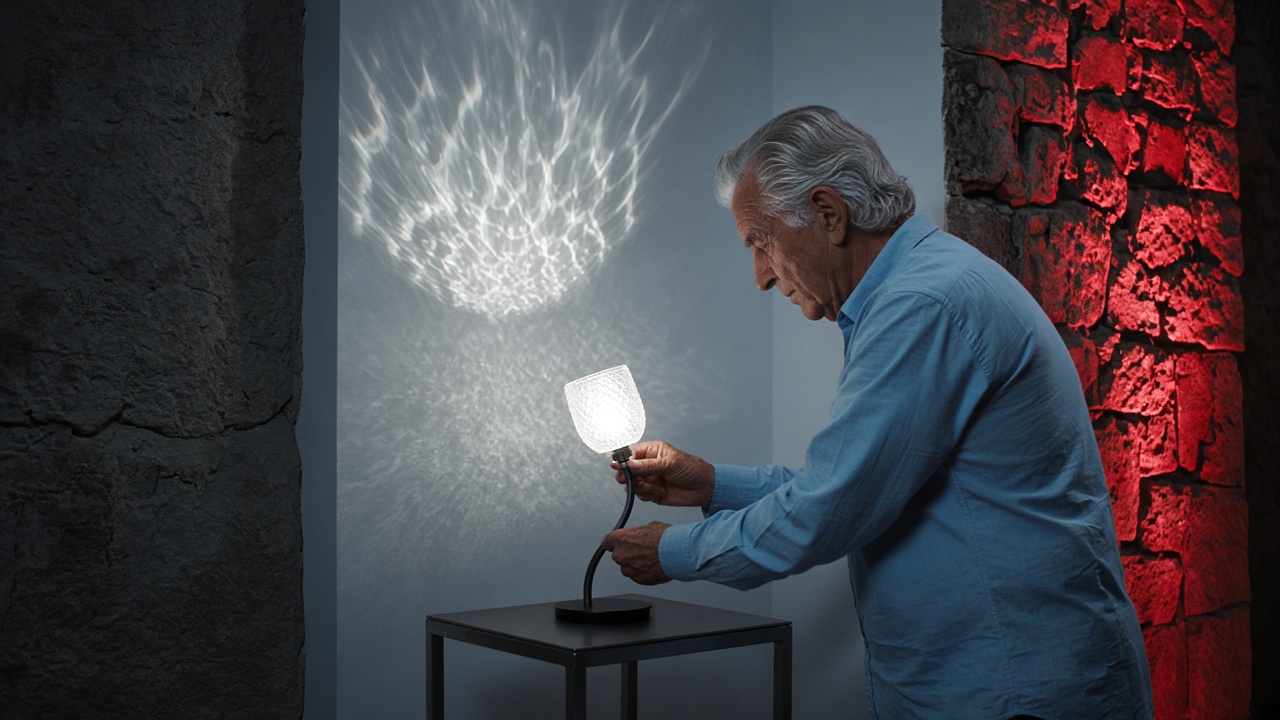
The benches had been cleared the night before. On each one we left a sheet of brass, a spool of copper wire, a lampholder, a length of cotton cord and a small pile of offcuts from our own production — the fragments that usually get swept into the bin at the end of a working day. Twelve young designers came into our Beijing studio on a Monday in July. Before anyone drew anything, we asked each of them to bend that brass by hand, slowly, until it gave.
What the hands learn first
Hands learn a material faster than eyes do. Someone who has read about the elasticity of brass is still surprised by the exact point where it stiffens under the thumb, and by the way the metal keeps a memory of every hesitation. For three days the word light was barely spoken in that room. There was filing, sanding, a great deal of silence, and the sharp intake of breath when a piece snapped along a line nobody had intended. We let it snap. A break tells you where a form was always going to fail.
Our makers moved between the benches carrying no instructions, only questions: what does this edge want to do; where will the fingers be when someone switches it on; how much weight can this shape hold before it stops looking light. Lightness in a lamp has very little to do with grams. It has to do with the way a surface lets go of the eye. We also said plainly, on the second morning, that we were not there to teach a house style — a style that cannot survive someone else's hands was never much of a style. We were there to hand over the bench.
Four materials, four arguments
In the second week we widened the table. Each material was chosen because it quarrels with the others, and because the quarrel is where decisions actually get made.
- Brass — patient once annealed, merciless if rushed, and it takes a patina from the hand that works it.
- Copper — softer, quicker, warmer in reflected light; it records every tool mark, which we count as a favour.
- Hand-blown glass — the only thing in the room that alters what passes through it rather than what sits upon it.
- Paper and cotton cord — cheap, fragile, and the hardest material in the studio to make look intentional.
Working in pairs, with a lampholder and a cable and nothing else, they built small sources of light out of those four materials. By the Friday of the third week there were nine working objects on the long table — several pairs had made two — each one lit from within, each one still carrying the fingerprints of whoever made it. We closed the workshop with the street lights off and the studio dark, the twelve of them standing around their own objects the way people stand around something they cannot quite believe they made. Some of those pieces stay with us, on the shelf by the window, where the team passes them every morning. A lamp is only ever a pretext. What we are really making is the moment someone decides to switch it on.