Craft
Inside the Aureole lamp, where a ring is painted until the light behaves
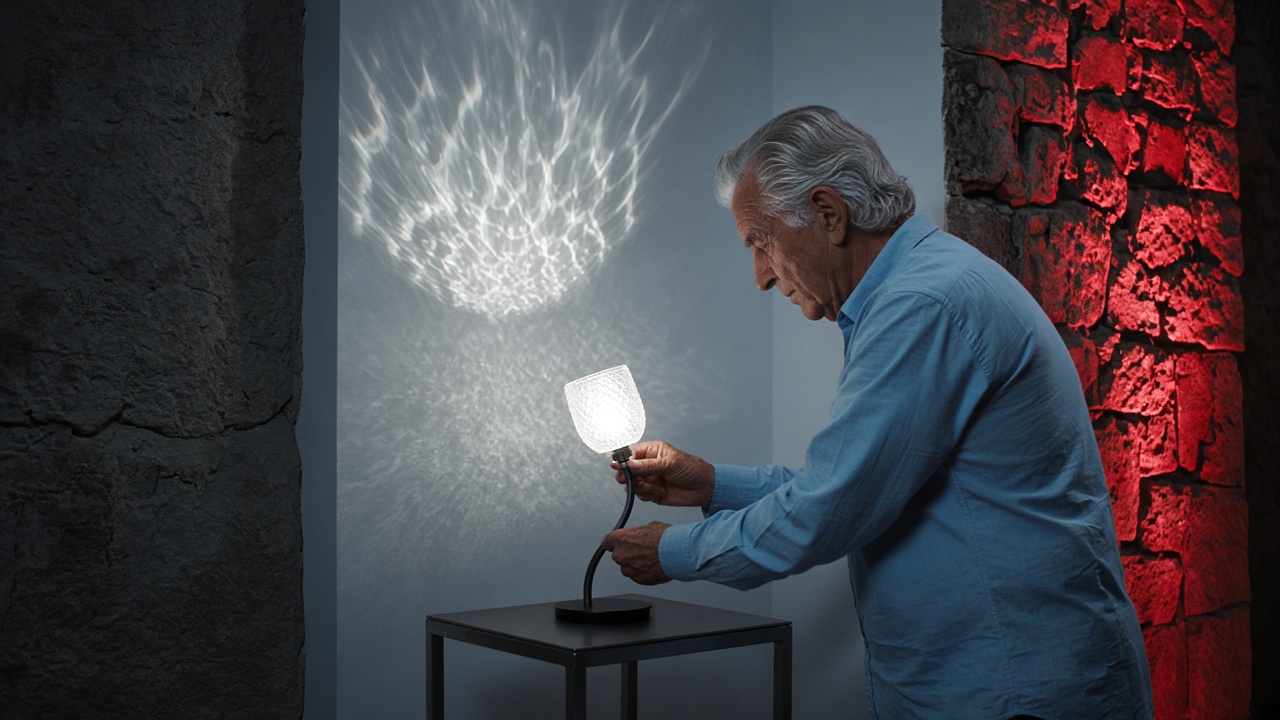
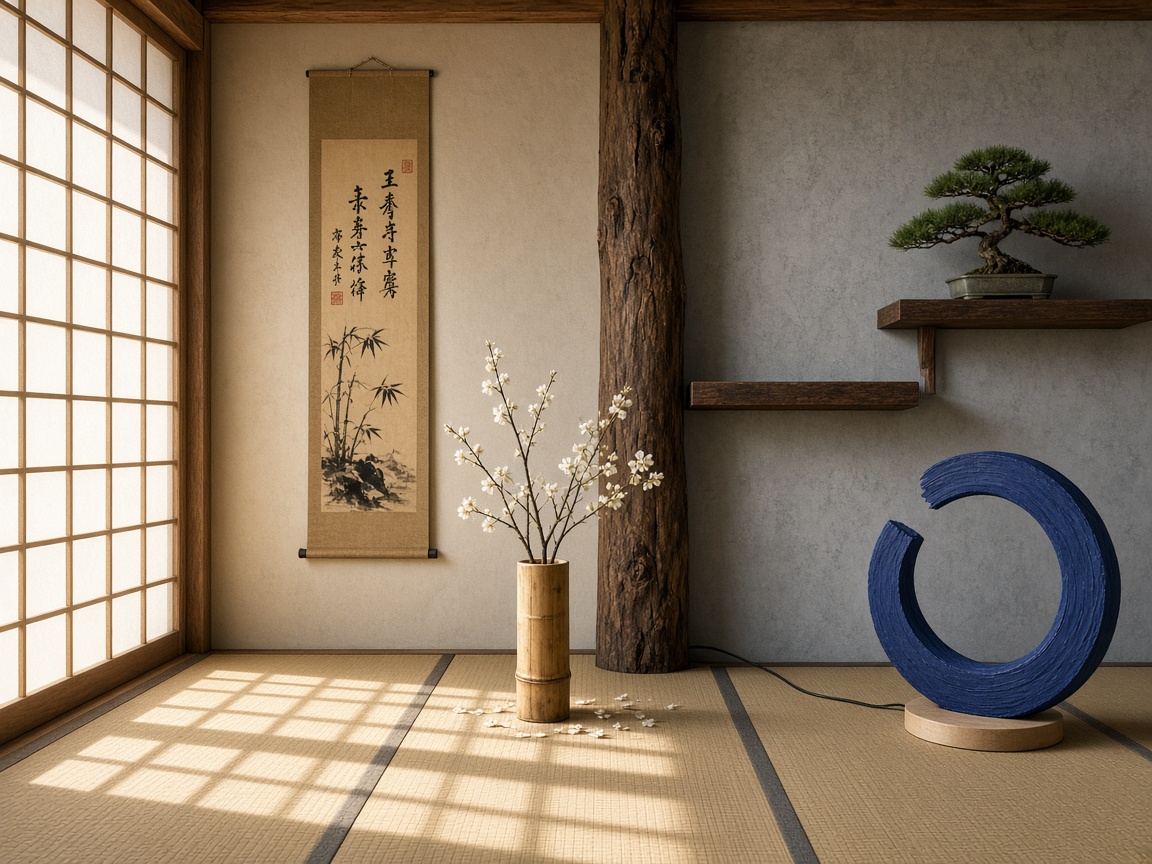
The Aureole ring sits in two hands for most of its life. It is turned a few degrees, held up to the lamp on the bench, turned a few degrees again. Nothing about the finished piece announces this: a circle of brass, a shallow inner lip, a light source hidden behind it. The lamp looks easy because the work happens in eleven thin passes of paint, each one waited for, each one judged against a wall.
Eleven passes, one colour
We start with bare brass, and bare brass is unforgiving. It shows every fingerprint, every mark the lathe left behind, every grain of dust that settled while the piece was cooling. So the surface is rubbed back by hand with fine abrasive, washed, sealed. Only then does colour arrive, in quantities so small that the brush barely seems to be doing anything. Thin layers, many of them. A heavy coat would pool inside the lip and change the way light leaves the ring, and the whole point of Aureole is what the light does on its way out.
- The first two passes are primer, laid flat and sanded until the brass feels like glass.
- Passes three to nine build the colour, each lighter than a full stroke, each dried before the next.
- The tenth is the one we watch. It decides whether the surface reads as matte or as softly burnished metal.
- The eleventh protects, and is wiped rather than sprayed, so the pigment at the inner edge keeps its depth.
Judging by the wall
Then comes the part that decides everything. The ring is mounted, switched on and looked at from across the room, because what we are really making here is a halo. What the eye should find is a gradient with no beginning and no end: bright at the inner lip, softening outward, with no line where one pass stopped and the next one started. If a line appears, the piece goes back to the bench. It is not unusual for a ring to be repainted twice before we let it leave.
That is the whole method, and there is no shortcut in it. Aureole is finished when the ring stops looking painted and starts looking like light that simply stayed where it was put. We keep painting until the object disappears.